
01432 610152 Get a quote Call 01432 610152

Roofers in Ashford Carbonell

Roof repairs and re-roofs for Ashford Carbonell's conservation areas and listed houses.

The village is 21.4 road miles north of central Hereford, about 32 minutes. We photograph the faults and give one written total.

Get a free quoteCall 01432 610152

Conservation areas and a Grade II* church

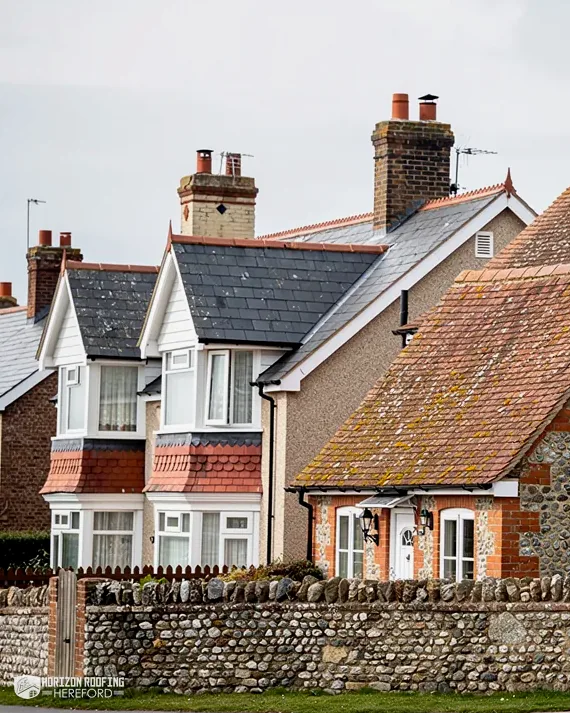
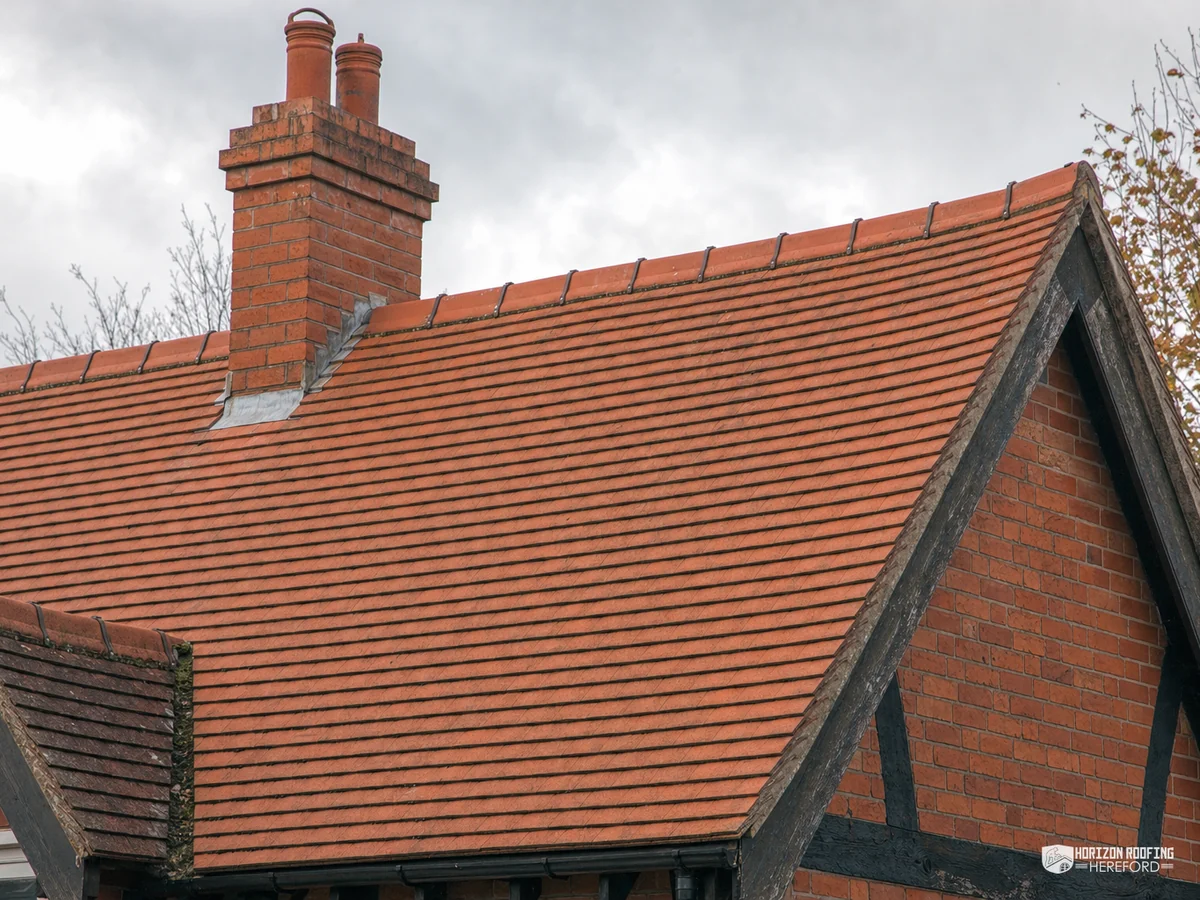
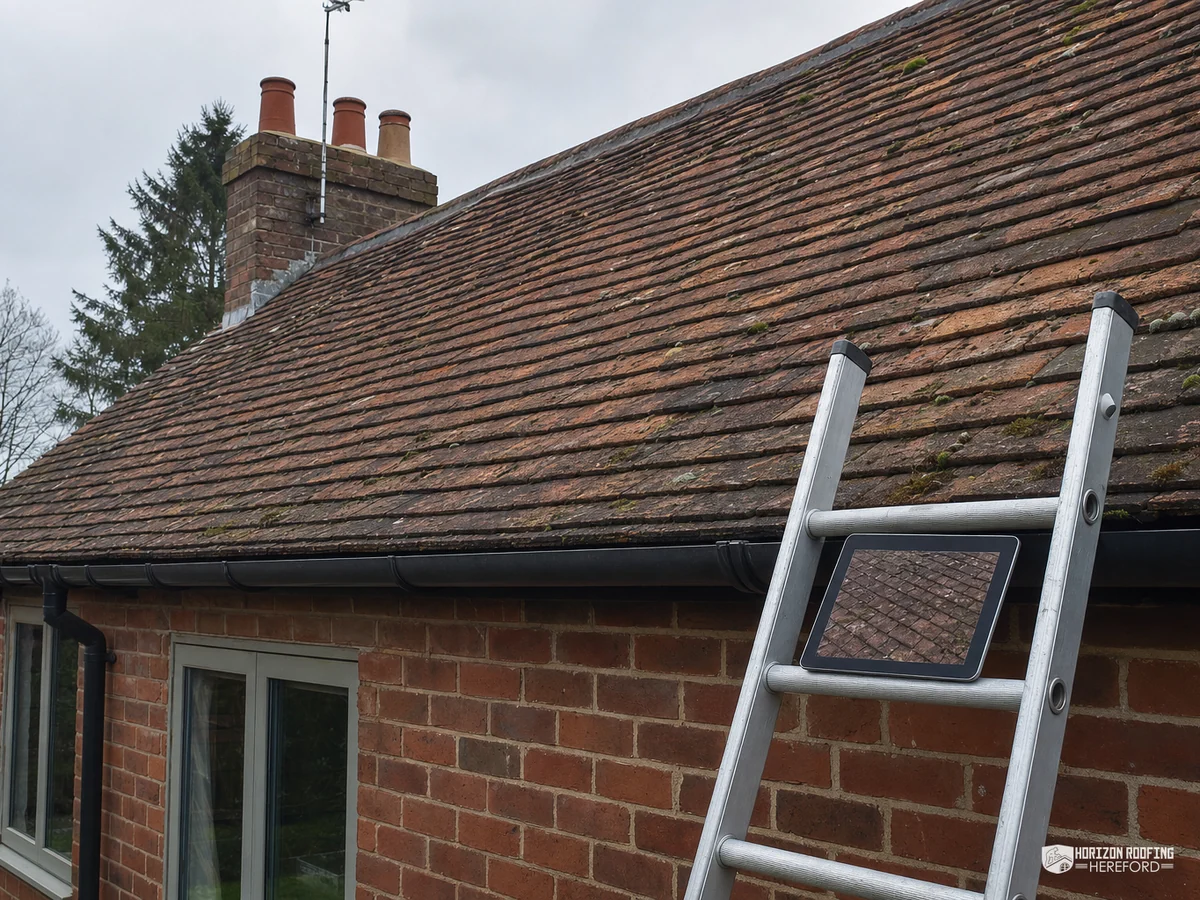
  • Older cottages with weathered clay tile roofs and brick chimneys behind a flint wall
    Conservation area edgesShropshire Council has conservation areas named Ashford Bowdler and Ashford Carbonell.
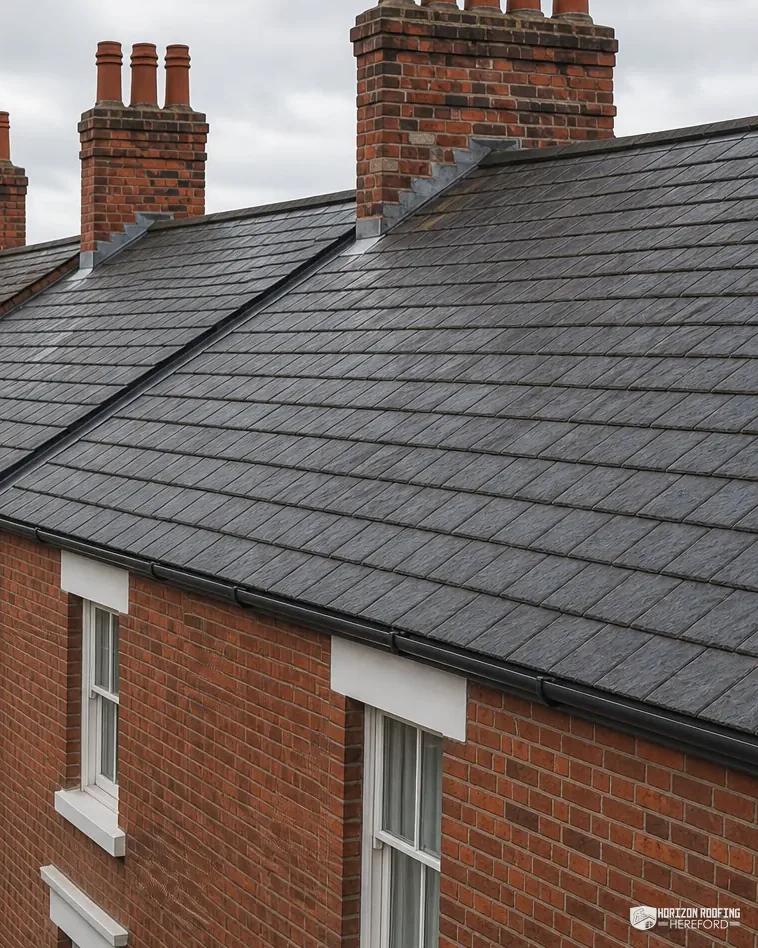
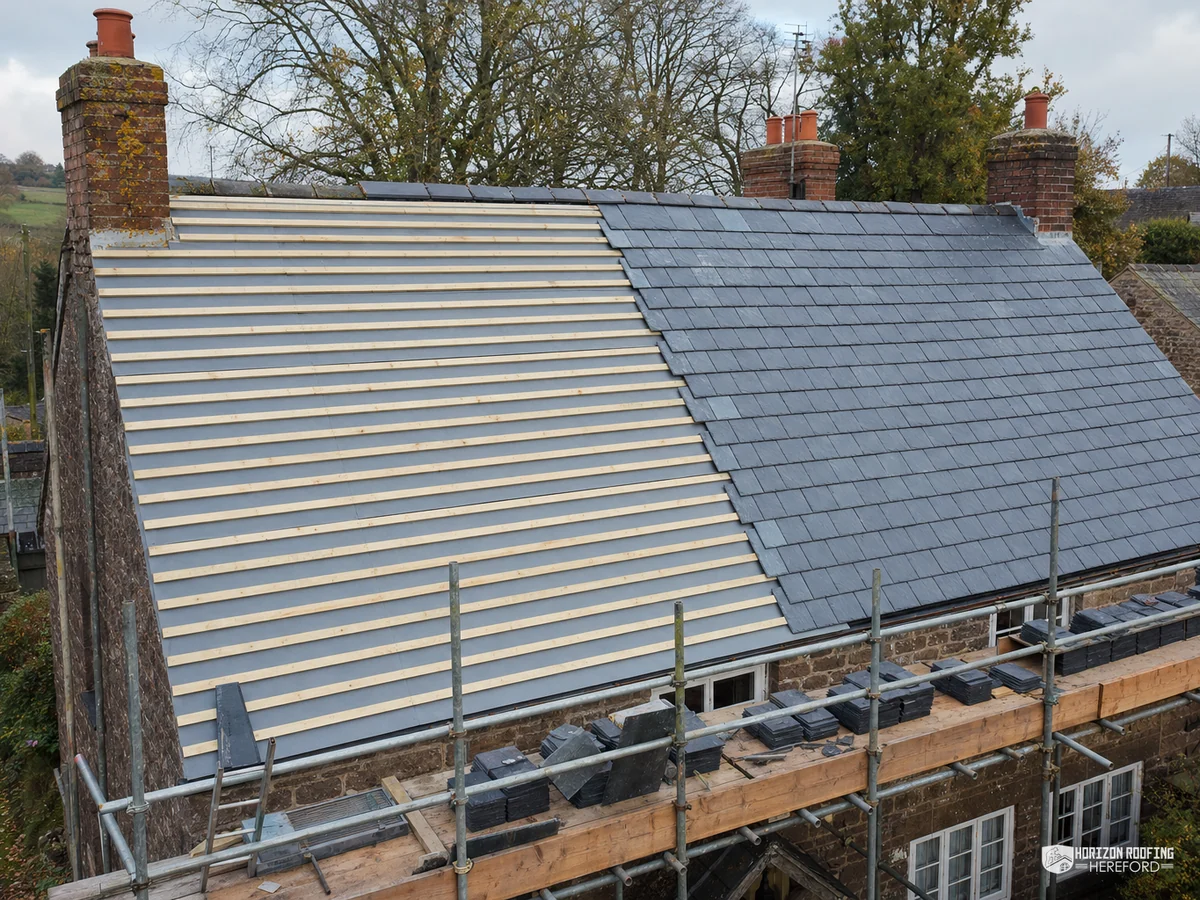
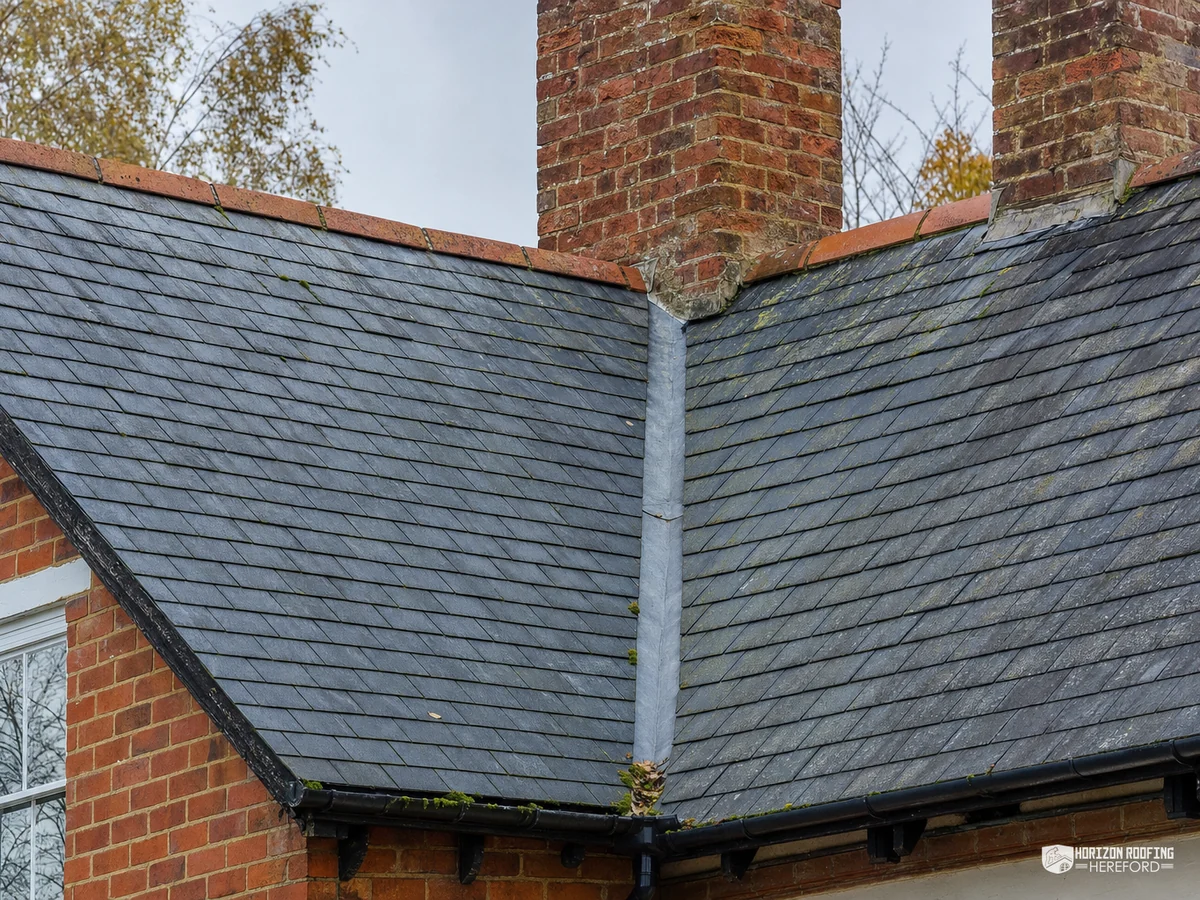
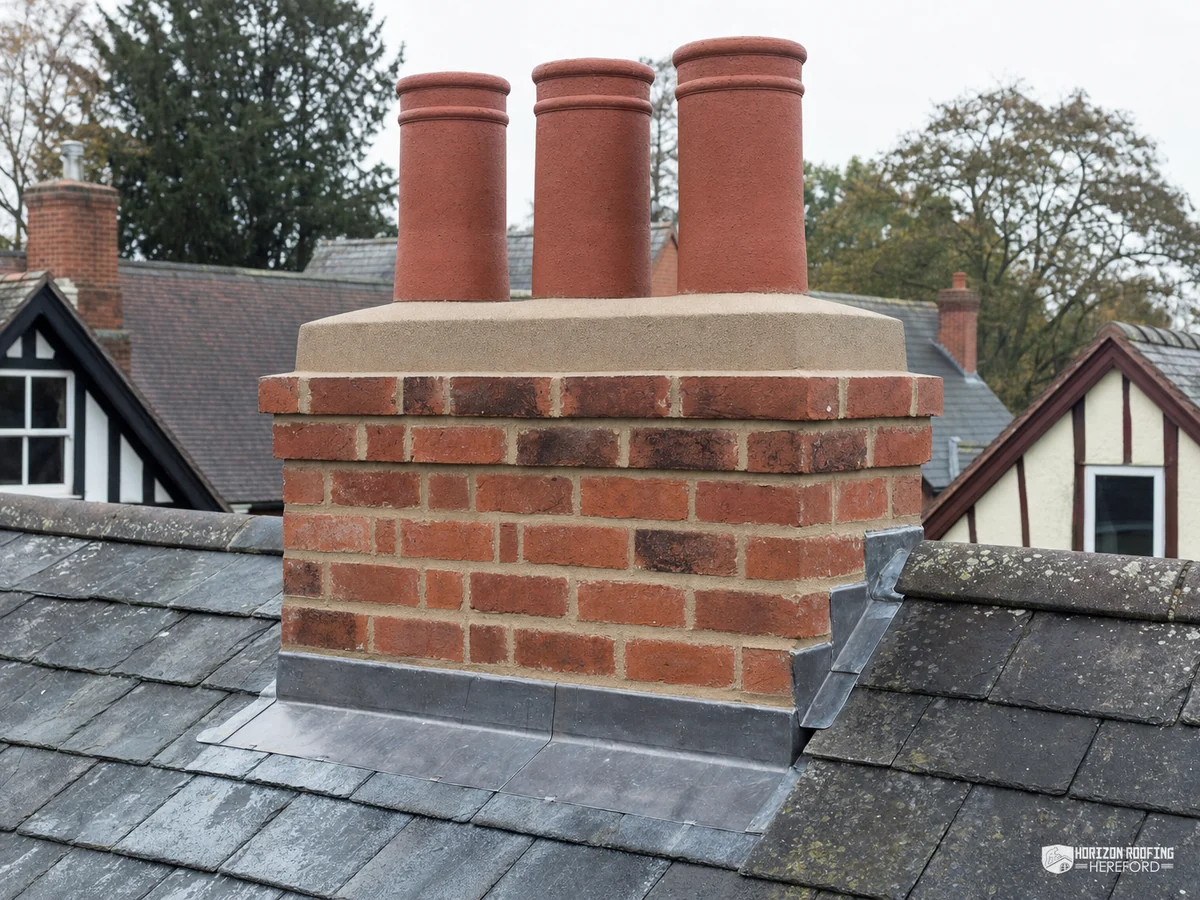
  • Slate roofs and chimney stacks along a red brick Victorian terrace
    Brook HouseBrook House is Grade II*, with a Grade II outbuilding beside it.
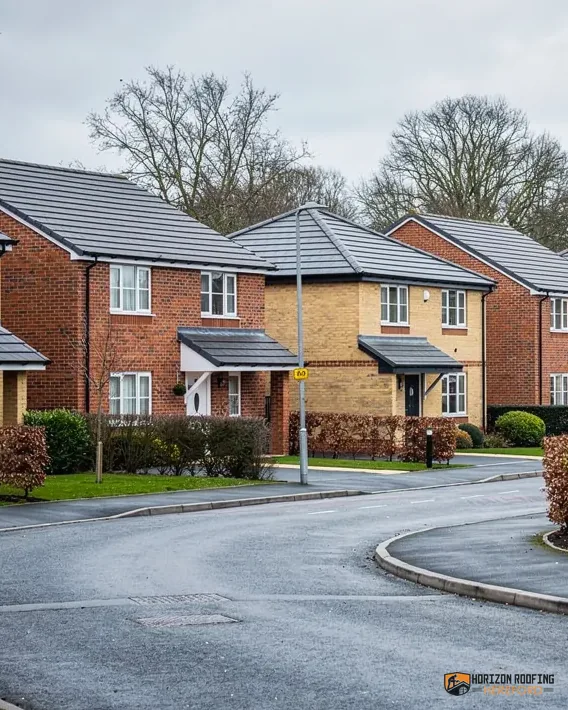
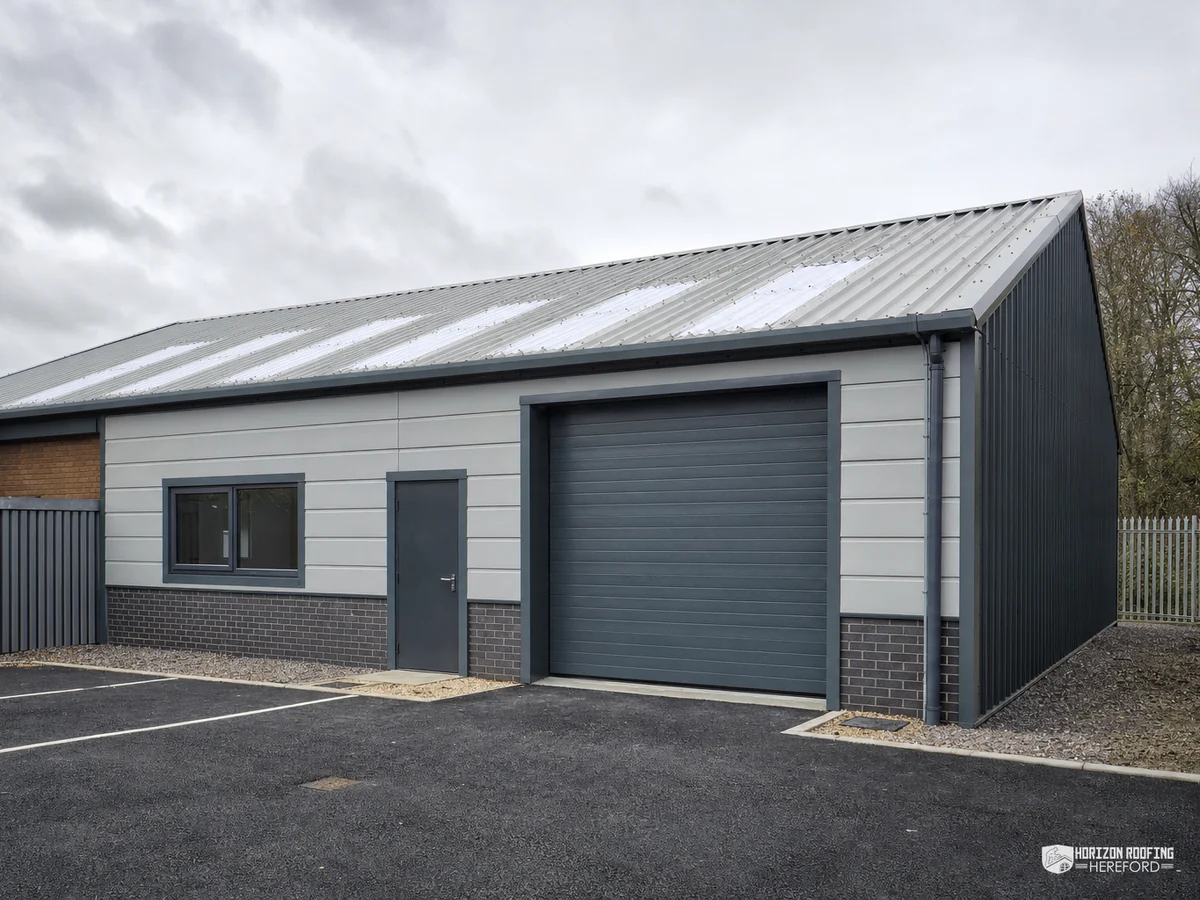
  • Newer homes with grey concrete tile roofs along a curving estate road
    Church of St MarySt Mary Magdalene's is Grade II* and Church of England, so faculty applies.

Roads into Ashford Carbonell

Ashford Carbonell on a street map, with a dashed circle around the town and the nearest towns we cover. Tiles © Esri; map data © Esri, HERE, Garmin, OpenStreetMap contributors.

Ashford Carbonell roofs, slope to church wall

Re-covering, lead and listings beside Ashford Carbonell's conservation areas

The survey runs slope first, then the lead at a junction, then the listed walls of the church and Brook House, where the conservation areas and the council's lists come into play.

A drawn cut-away section through a Herefordshire border house: the front of the main roof is cut open to show the rafters, underlay, battens and slates, beside a black-and-white timber-framed gable. Numbered, from the ridge down: 1 Covering; 2 Lead at joints; 3 Listed walls.

Fig. 1 Ashford Carbonell roof cut open: slope, lead and listed wall, numbered.

Callout 1 of 3

Naming the covering before re-covering it

Before anything else, the covering gets a name. Ashford Carbonell has houses, outbuildings and a church of different ages, and the covering on any one of them may be tile, slate, stone or a replacement laid in recent decades. Each is photographed close up and named in the report, so a repair can be matched to what is truly there and a patch of the wrong colour does not stand out for years. Near the village's conservation areas, a change of material is a question to put to Shropshire Council before it is priced.

Lifespans come hedged. HomeBuilding lists Welsh slate at "100+ years" and plain concrete tiles at "40-50 years". Marley expects roof tiles to last around 60 years and treats that as a forecast, not a promise, while the BRE's 60-year minimum belongs to clay tiles alone. SPAB's note, which covers Wales and the Marches and names Shropshire among its counties, says slate and stone roofs there are "predominantly double-lapped", so a patch is cut in to follow the laps already on the roof. If one slope has failed and the rest has not, repairing that slope is the better buy, and the report marks which slopes are sound; a new covering is offered once the old one is spent throughout.

England's rules on re-covering sit in the Building Regulations. The Planning Portal says no application is normally needed when "Less than 25 per cent of the total 'building envelope'" is affected and "Less than 50 per cent of the roof is affected". The envelope is the whole shell of the house, which is why two tests are given. A new covering that "increases the weight of the roof covering by 15 per cent or more" needs approval, and AD A paragraph 4.4 describes a significant change as "more than 15%". Insulation comes up at the same visit: AD L 2021 Table 4.3 sets a threshold of 0.35 and an improved figure of 0.16 for a renovated roof, until AD L 2026 Table 3.3 applies from 24 March 2027. Our roof replacement page covers full re-coverings.

The England re-cover tests in brief

Building envelope
Less than 25 per cent affected, in the Planning Portal's test
Roof itself
Less than 50 per cent affected, in the same test
Weight added
15 per cent or more needs approval, says the Planning Portal
Insulation
AD L Table 4.3: threshold 0.35, improved 0.16

Name the covering first, and the repair can be matched to it.

Fig. 2 The slopes, drawn close

Callout 2 of 3

Lead where a slope meets a wall or valley

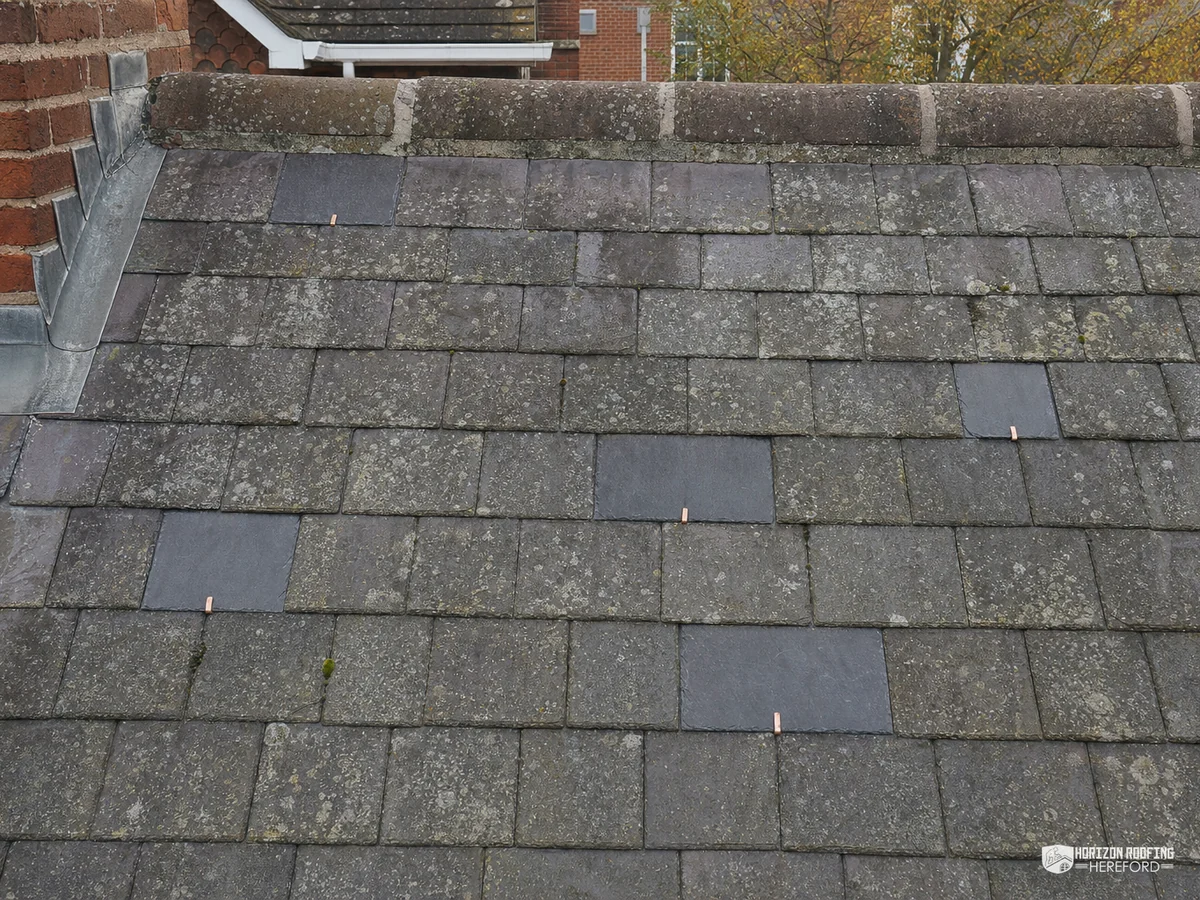
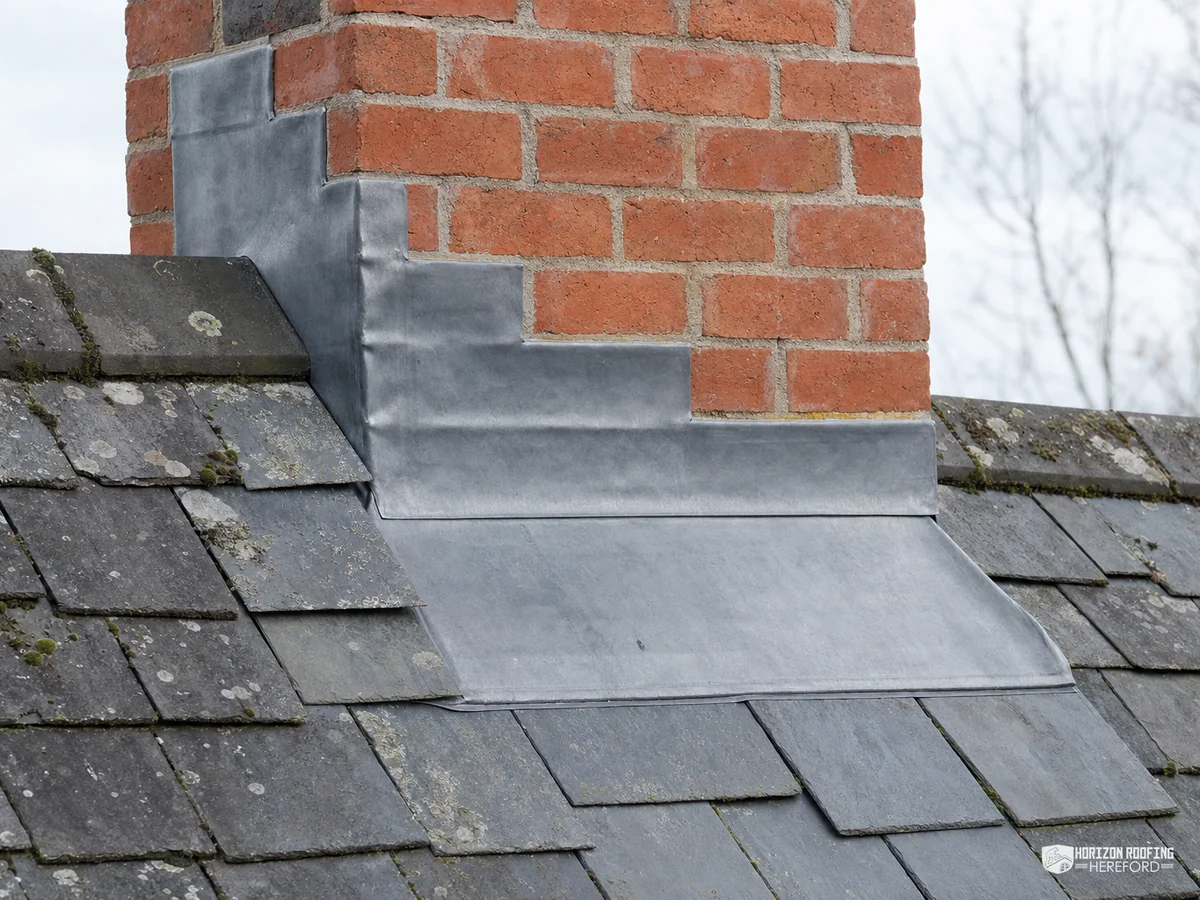
The second callout is lead, the metal that closes the joints a covering cannot. Where a slope meets a wall, a flashing, which is a strip of lead tucked into a masonry joint and dressed over the covering, shuts the gap. Soakers are the folded lead pieces tucked beneath each course next to a stack or wall, and a valley gutter is the lead channel at an inside corner where two slopes meet. Every piece is dressed with room to expand and contract in the heat.

A valley takes the run-off from two slopes at once, so its lead carries more flow than a flashing on a wall does. We check the width of the channel, whether the tiles or slates along its edges lie flat on it and whether leaves and moss have built up. A blocked valley sends water over the side and under the covering, and the stain it leaves indoors can sit well away from the actual fault, which is why the loft is part of the check.

Royston Lead's table ties thickness to use. Code 3 is "Recommended for lead soakers only", Codes 4, 5 and 6 are listed for flashings, and Codes 4 to 8 for pitched valley gutters, so one junction can carry two or three codes. MyJobQuote says correctly installed lead flashing "can last for over 80 years", a hedged claim and not a promise. Lead that has split, lifted or been smeared with sealant is cut out and renewed, and the old and new lengths are photographed side by side.

Behind the lead, the timber decides the outcome. From the loft we check the rafters and battens beside a junction for staining and softness, because a flashing can look sound while the joint behind it has failed. On a listed or conservation-area building we also ask what the lead looked like before, since its colour, rolls and laps are part of how the building reads. Where a chimney comes into it, the Planning Portal says "Building regulations approval will always apply when removing chimney breasts as they are part of the building's structure", and a breast on a shared wall brings a party wall notice, which the building owner serves at least two months ahead. Our lead roofing page explains how each junction is dressed.

Which lead goes where?

Does one thickness of lead suit every joint on a roof?

No. Royston Lead's table marks Code 3 "Recommended for lead soakers only". Codes 4, 5 and 6 are listed for flashings, and Codes 4 to 8 for pitched valley gutters, so the code follows the job.

Fig. 3 Leadwork, drawn close

Callout 3 of 3

Listed walls and the Ashford conservation areas

The last callout is the wall head, where roof meets masonry and the council's lists begin. Historic England records the Church of St Mary as Grade II* (list entry 1383628, first listed 12 November 1954) and Brook House as Grade II* (list entry 1383624, first listed 12 November 1954). The outbuilding about 2 metres south-east of Brook House is Grade II (list entry 1383625, first listed 29 February 2000), and Brook Cottage with its attached railings is Grade II (list entry 1383623). Section 7 of the Planning (Listed Buildings and Conservation Areas) Act 1990 wants consent before anything is done that changes what makes the building special. A listing leaves permitted development rights in place and adds consent on top, so materials and method are agreed with the council before a tile moves.

The church follows a separate path. In England, exempt churches in use are those under Church of England faculty jurisdiction, Roman Catholic, Methodist and United Reformed buildings, and Baptist Union chapels that a Schedule 1 trust corporation holds. Neither Unitarian nor Quaker buildings qualify, and a closed church or a Churches Conservation Trust church is likewise outside it. St Mary's, dedicated to St Mary Magdalene by its own parish, is one of the Ashfords churches of the Church of England in Hereford diocese; as long as services continue, a faculty covers repairs to its roof and listed building consent is not the route.

Old walls and roof voids shelter wildlife. GOV.UK says "All bat species, their breeding sites and resting places are fully protected by law", lists "repairing or replacing a roof" among the activities that can affect them, and names Natural England for a licence. We look in the loft and under the eaves before any strip begins and photograph what is there, and a find is discussed with you before work goes on.

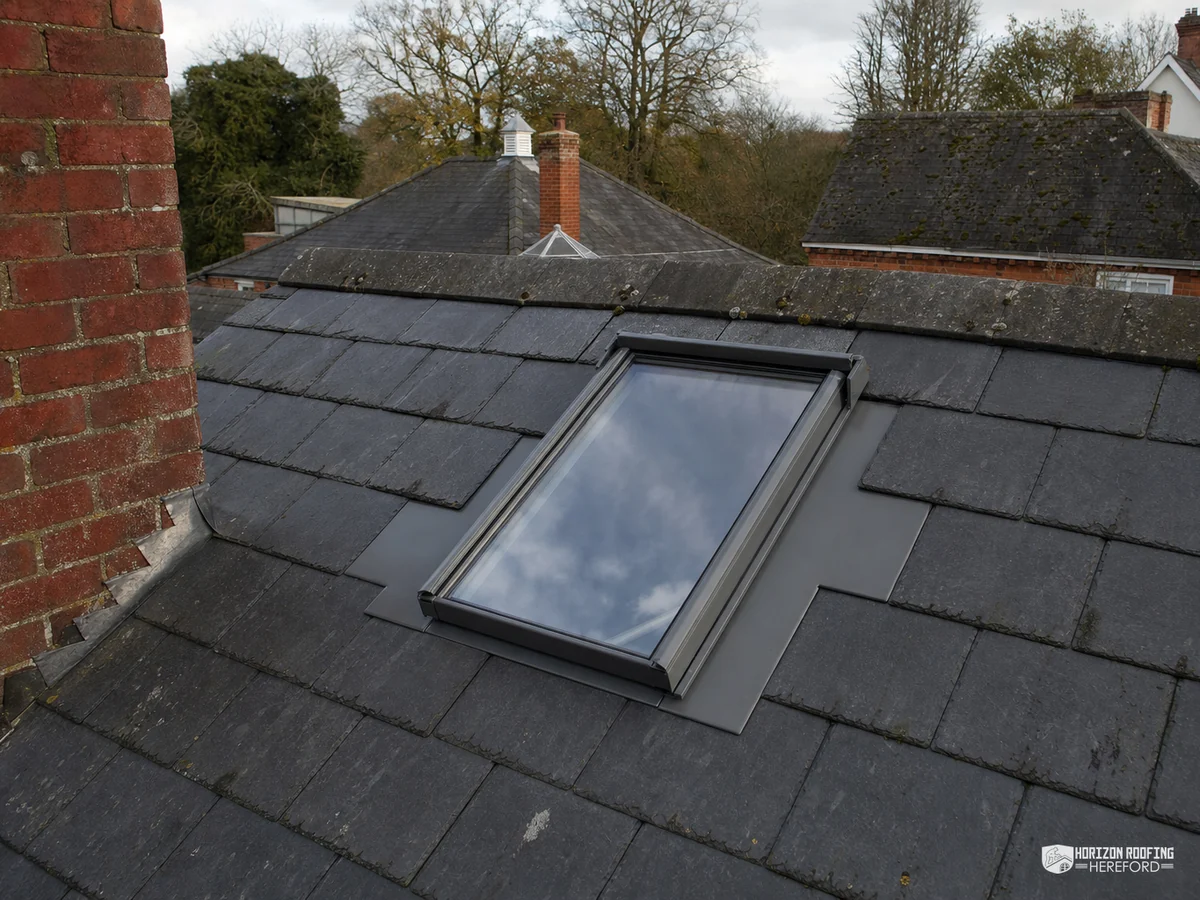
Shropshire Council names conservation areas called Ashford Bowdler and Ashford Carbonell, and for any one address the council's own list is the authority. Check whether an Article 4 direction applies with Shropshire Council as well. Roof windows and dormers raise the most planning points at Ashford Carbonell, and our planning guide for roof windows sets them out. Building control here is Shropshire Council Building Control, though a registered building control approver can act instead. The listed and heritage roofing page describes how we plan around protected buildings.

A wall head beneath a church or house roof

SoundJoint tight, flashing seated, stonework dry below
Needs workStaining under the wall head, open joint, lifted lead

Ashford Carbonell roofs: listings, lead and England's rules

What does the Grade II* listing of Brook House mean for an Ashford Carbonell roof?

Brook House is Grade II* (list entry 1383624, first listed 12 November 1954), and the outbuilding near it is Grade II (list entry 1383625, first listed 29 February 2000). Section 7 of the 1990 Act makes consent a requirement for works affecting the character of a listed building, on top of any permitted development rights it keeps. Shropshire Council decides, so the materials are agreed with it first, and our photographs of the slopes can go with the application.

Do the Ashford Bowdler and Ashford Carbonell conservation areas change a re-roof?

Shropshire Council names both areas, and its own list says whether your address falls inside one. Replacing a covering with the same material is a different matter from altering how the roof looks, and the council is the place to ask. Ask also whether an Article 4 direction applies with Shropshire Council. The survey report photographs each slope, so the council has exact images to judge a proposal by.

Does re-roofing in Ashford Carbonell need Building Regulations approval?

England's test applies here: the Planning Portal says no application is normally needed while less than 25 per cent of the building envelope, and less than 50 per cent of the roof, is affected. Work beyond either limit is a building control matter. Shropshire Council Building Control answers on 01743 258710, and a registered building control approver can act instead. We confirm which applies before a price is written.

Which consent route covers the roof of St Mary's church?

St Mary's is Grade II* (list entry 1383628). Churches in use under Church of England faculty jurisdiction, and Roman Catholic, Methodist or United Reformed buildings, with Baptist Union ones if a Schedule 1 trust body holds them, are exempt from listed building consent. A closed church or one held by the Churches Conservation Trust is not. St Mary Magdalene's, as the parish calls it, is a Church of England building; while worship goes on there a faculty is the route, and the parish is the first contact.

What does a scaffold licence involve on an Ashford Carbonell road?

Putting scaffolding where it obstructs a highway is licensed under section 169 of the Highways Act 1980. Shropshire Council lists a scaffolding or hoarding licence at £200 without stating a period, and says applications must be made at least ten working days ahead. We arrange the licence with our scaffolder, and the scaffold sits inside the written quote, so that timing is built into the programme from the start.

What insulation figure applies when an Ashford Carbonell roof is re-covered?

A renovated roof falls under AD L 2021 Table 4.3, which gives 0.35 as the threshold and 0.16 as the improved figure. Paragraph 4.13 allows less where 0.16 cannot be reached in practice or would take longer than 15 years to repay. From 24 March 2027, AD L 2026 Table 3.3 takes over. A roof window is held to 1.4 or WER Band B, and a rooflight to 2.2.

Book a covering-first survey in Ashford Carbonell

Give us the address and a line about the fault, and a visit follows that names the covering and ends in a written total.

10-year workmanship guarantee, in writing