
01432 610152 Get a quote Call 01432 610152

Roofers in Highnam

Roof repairs and re-covering for Highnam homes, from ridge to valley, near a Grade I church.

We read each slope before suggesting a patch or a new covering, and every finding comes back to you in photographs.

Get a free quoteCall 01432 610152

Slopes, valleys and a listed rectory

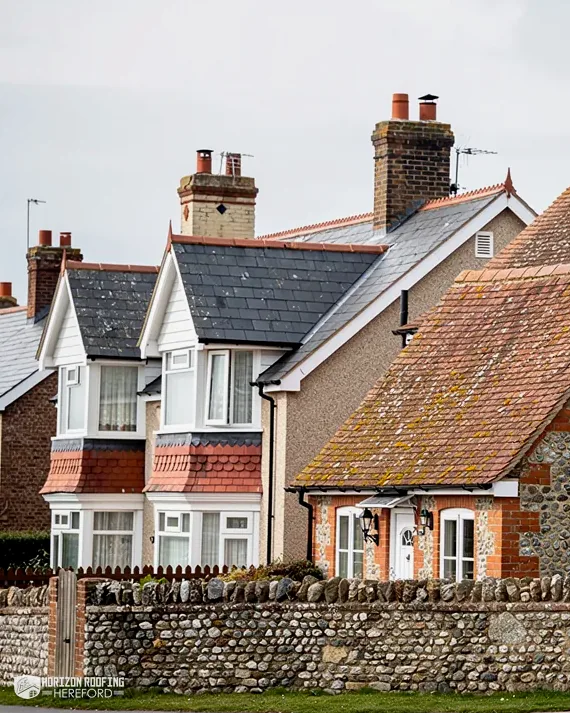
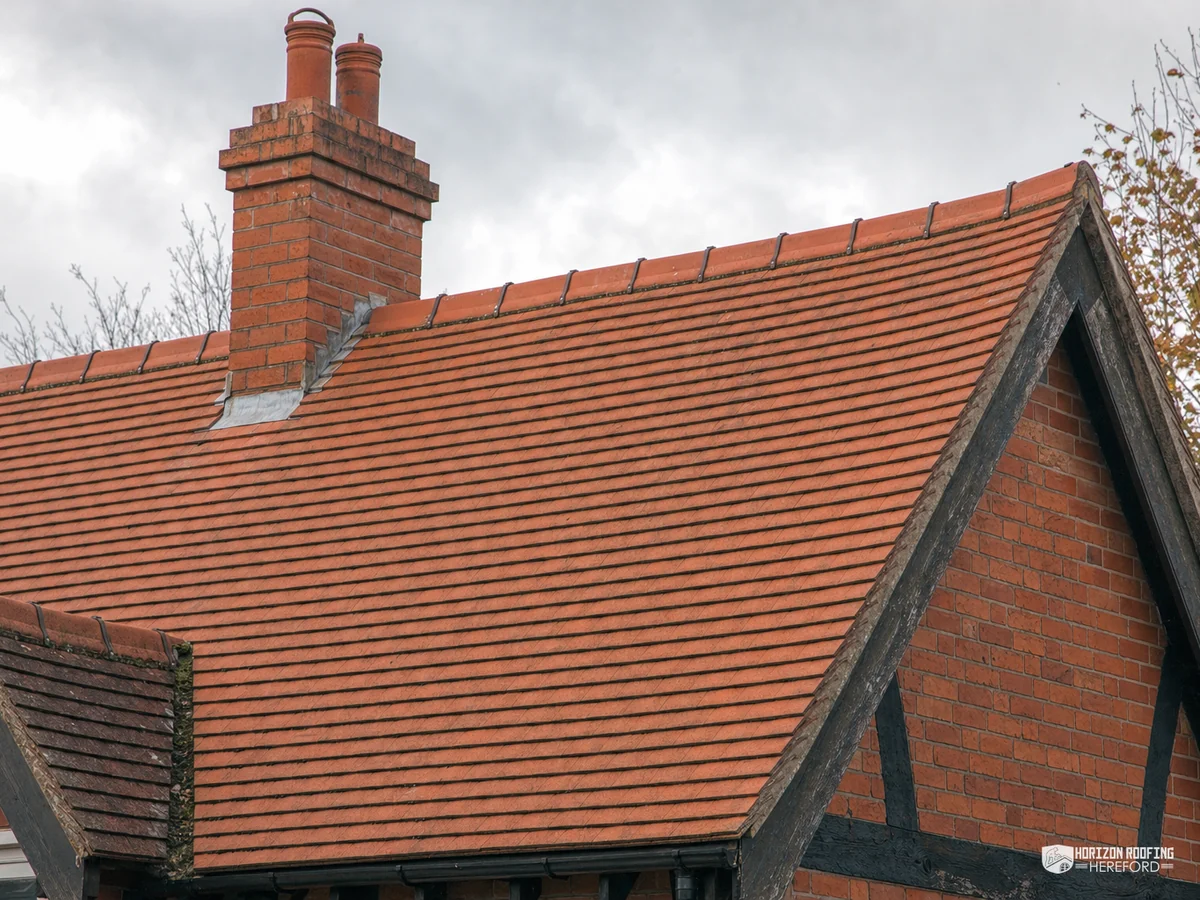
  • Older cottages with weathered clay tile roofs and brick chimneys behind a flint wall
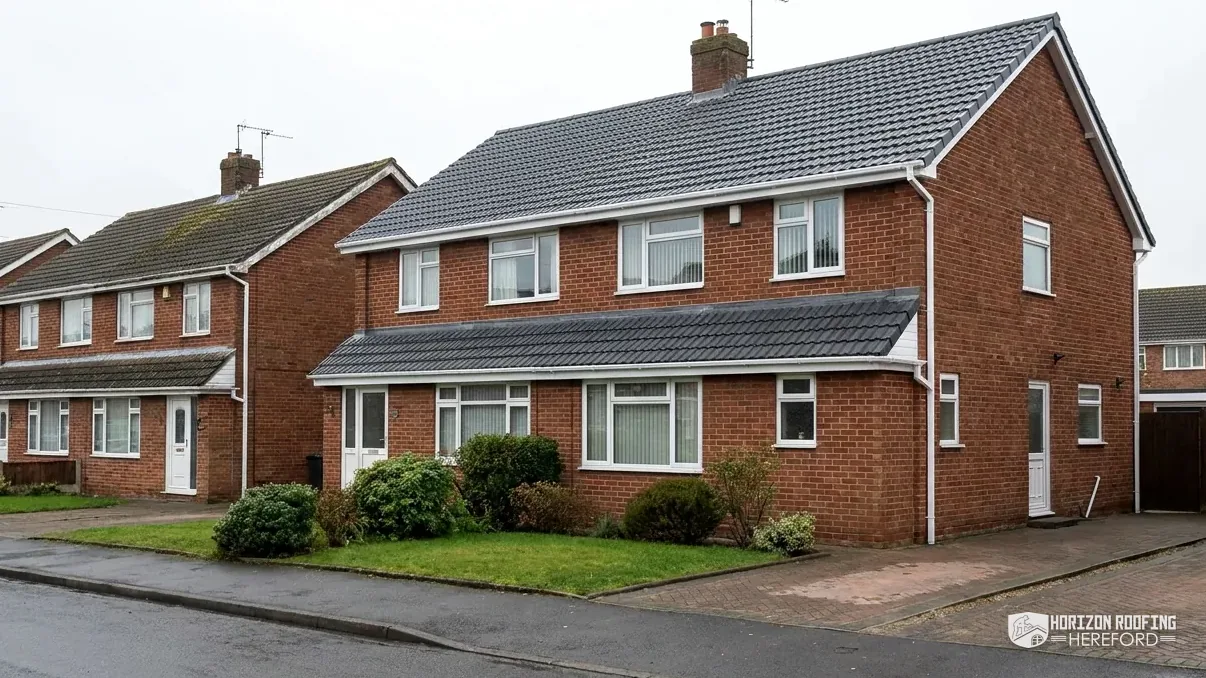
    Slopes near the end of lifeWorn tiles and tired battens show when a patch stops being the better buy.
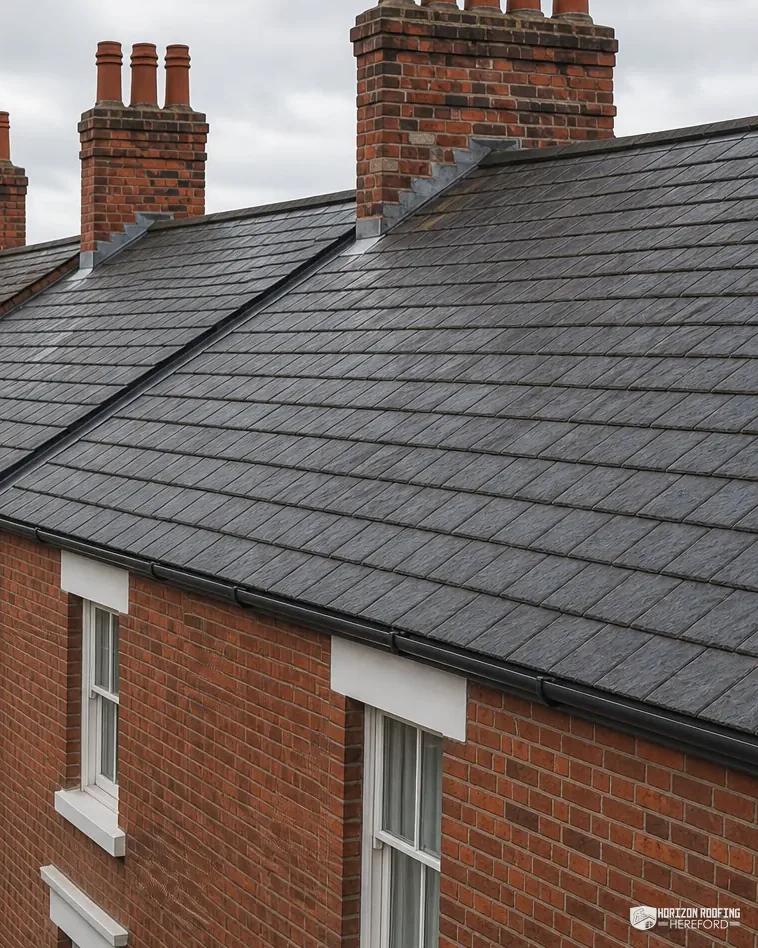
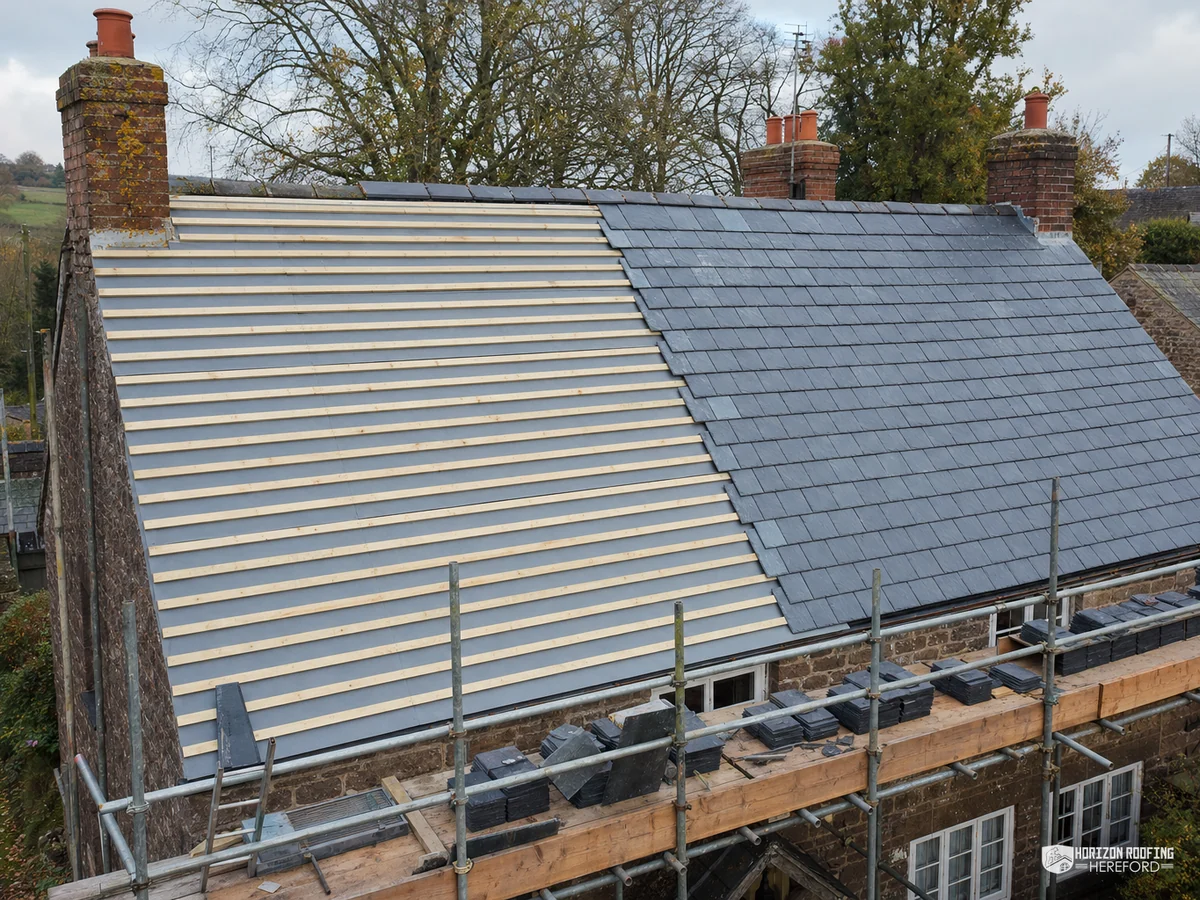
  • Slate roofs and chimney stacks along a red brick Victorian terrace
    Valleys that carry two slopesWhere two slopes meet, one blocked or split valley soaks the timbers beneath.
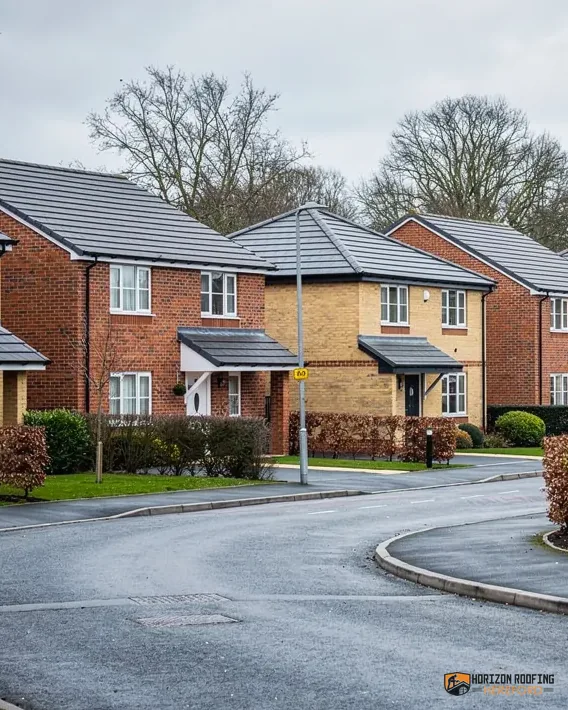
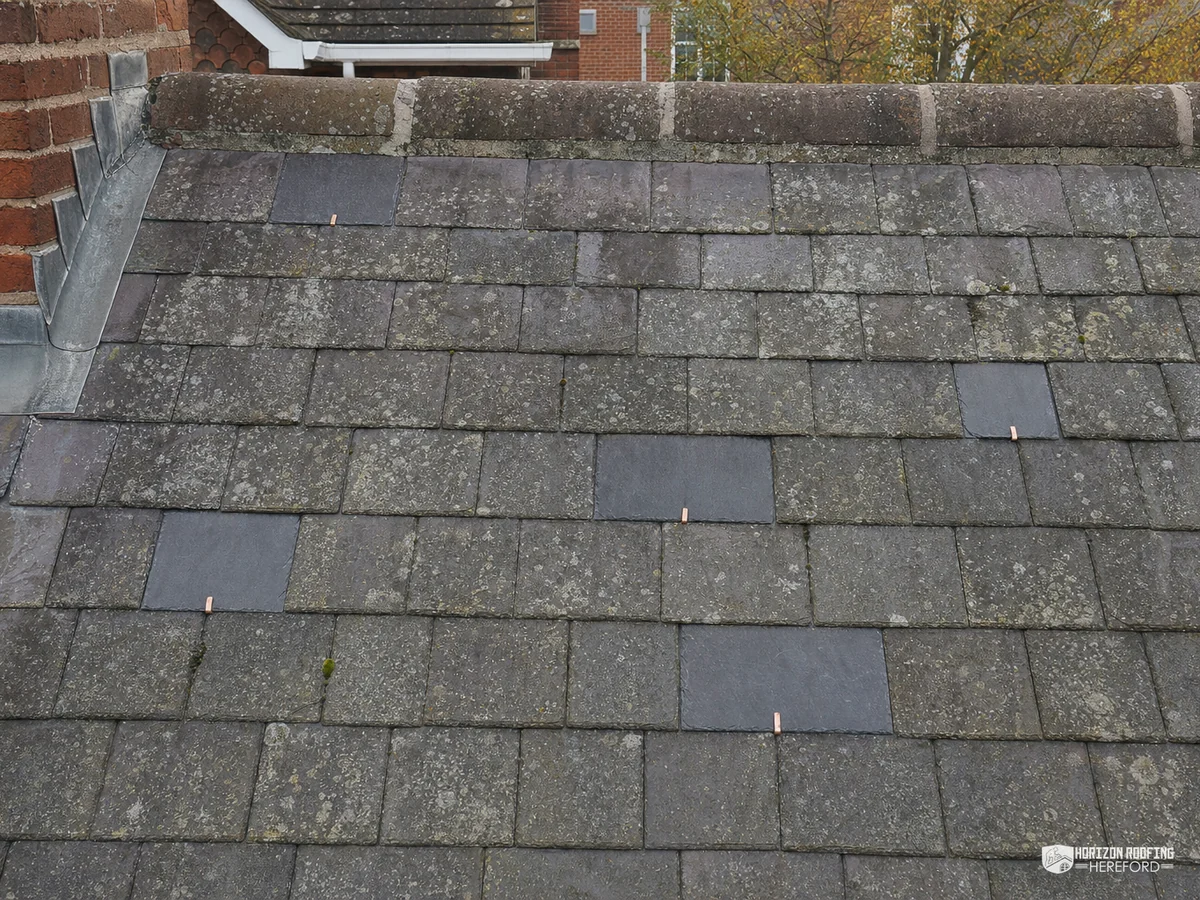
  • Newer homes with grey concrete tile roofs along a curving estate road
    Grade I church, listed rectoryRoofs beside listed buildings need materials and methods settled before any work.

Travelling to Highnam

Highnam on a street map, with a dashed circle around the town and the nearest towns we cover. Tiles © Esri; map data © Esri, HERE, Garmin, OpenStreetMap contributors.

Reading a Highnam roof, slope to wall

Slopes, valleys and listed neighbours: three checks on a Highnam roof

We open on the slopes, to decide whether a patch or a new covering is the fair answer, then follow the water into the valleys, and close with the Grade I church, the Old Rectory and the rules that come with them.

A drawn cut-away section through a Herefordshire border house: the front of the main roof is cut open to show the rafters, underlay, battens and slates, beside a black-and-white timber-framed gable. Numbered, from the ridge down: 1 Slopes; 2 Valleys; 3 Church and rectory.

Fig. 1 Cross-section of a Highnam roof showing ridge, valley and wall head, with each part keyed to a chapter.

Callout 1 of 3

Patch or re-cover: reading a Highnam slope

Every roof job turns on one decision: does a patch do, or does the covering come off? The slopes answer it. Slipped, cracked and missing pieces are counted from the ground, then again at close range from a ladder. Up in the loft, the underlay and the battens, the rails of wood under the tiles, are checked for rot, stains and daylight. Highnam parish had 2,142 usual residents at the 2021 Census, and we start with the roof in front of us, not with a guess about its age.

Lifespans are ranges and never promises. Marley puts roof tiles at around 60 years of expected life and adds that this is no promise of longevity, while HomeBuilding gives plain concrete tiles "40-50 years". The BRE's minimum life expectancy of 60 years is for clay tiles only, and HomeBuilding gives Welsh slate "100+ years". An age inside a range does not make a roof sound or failing. The nails, the battens and the underlay do that.

Weight is the other test of a new covering. The Planning Portal sets approval at an increase of 15 per cent or more in the roof covering's weight, while AD A, in paragraph 4.4, reads a rise of more than 15% as a significant change in loading, so a heavier tile brings a structural check before a batten is nailed. In England, the Planning Portal draws its line for a re-roof at less than 25 per cent of the building envelope and less than 50 per cent of the roof; inside both, an application is normally not needed.

Underlay decides how a re-covered roof breathes. Marley's ventilation guidance for a cold roof with HR (high resistance) underlay calls for 25mm along the eaves at pitches of 15° or less and 10mm above 15°, and HR underlay is not vapour-permeable. Air-permeable (LR) underlay laid over a well-sealed ceiling needs only the 3mm that normal eaves construction gives, on condition that its UKAS third-party certification is in order. We check which kind is under your tiles before deciding what the new layer must be.

A patch is the better buy while the timbers and underlay are sound and the faults are confined to a few tiles or one pitch. Where failure runs across entire slopes, roof replacement describes what stripping, relaying and re-battening involve. Either way you see photographs of the faults first, with the loft timbers shown beside the tiles above them, and a recommendation that says which case your roof is.

What moves the size of a Highnam re-roof

Roof size
More pitches and a longer ridge mean more work
Covering chosen
Tile or slate, and how closely it must match
Access
Scaffold height and any licence for the road
Hidden condition
Battens, underlay and timbers found under the old covering

One written total price, never itemised.

A roof's age tells you less than its battens, its nails and the underlay beneath.

Fig. 2 The slopes, drawn close

Callout 2 of 3

Valleys, where two Highnam slopes share a gutter

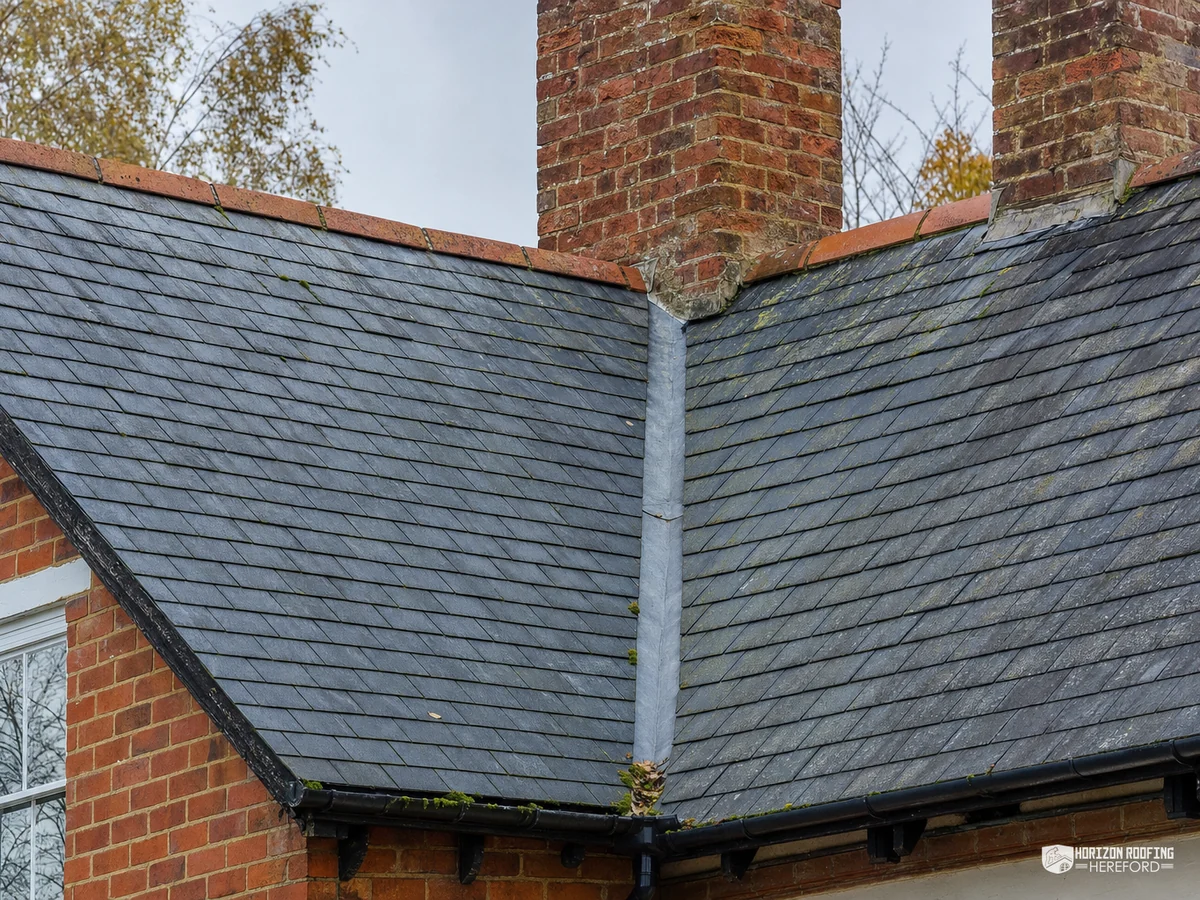
Where two slopes run together, the trough between them is the valley, and the water from both slopes ends up in it. Some valleys are lined with lead tucked under the tile edges, and others are made of special valley tiles. Leaves and moss collect there, and a valley that stays clogged pushes water up beneath the tile edges on either side, so the first job is to clear it by hand before we judge what lies underneath.

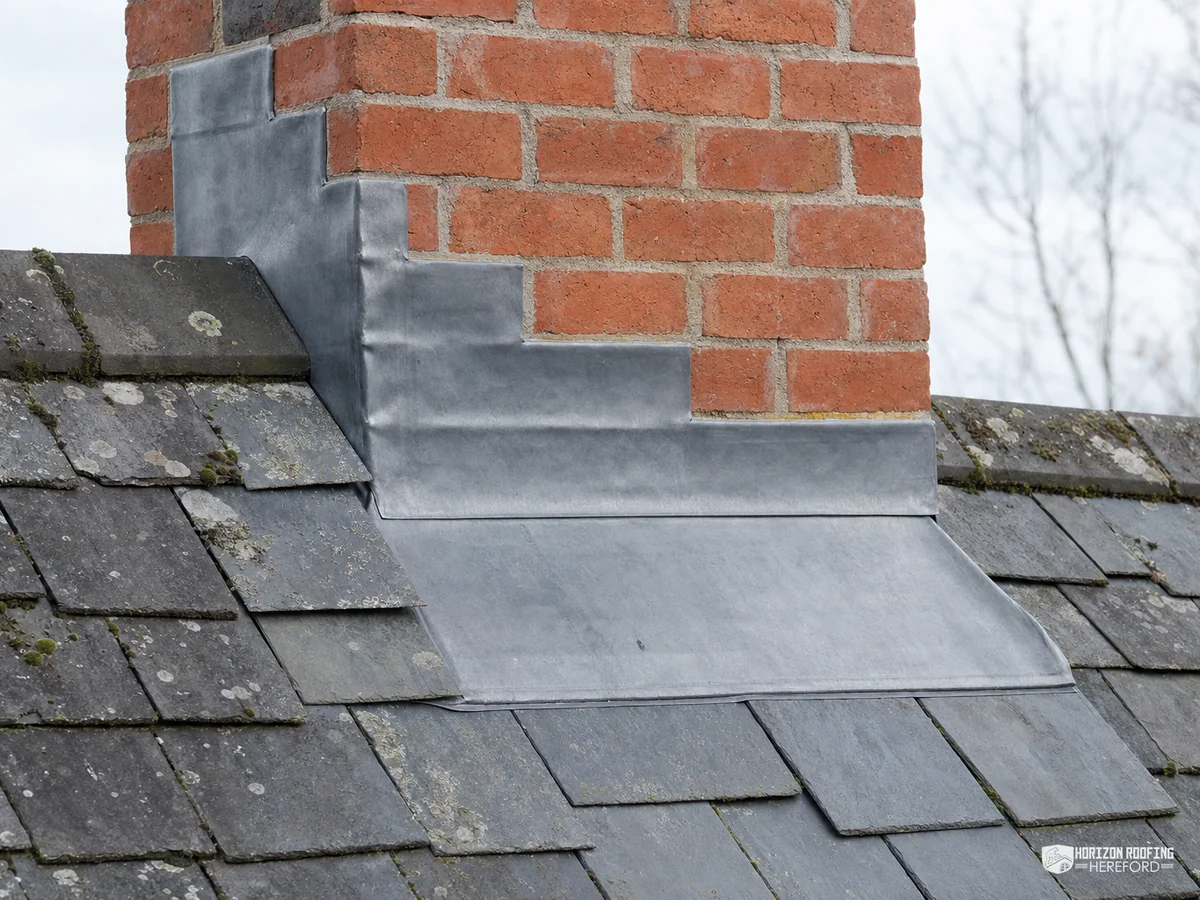
Lead in a valley has to be thick enough and wide enough for the work. Royston Lead's table lists Codes 4 to 8 for pitched valley gutters, from 1.80 mm thick at Code 4 to 3.55 mm at Code 8, and the code is matched to the valley's length and width. The lead goes down in sections with lapped joints so it can move with the heat, because lead clamped hard at both ends splits along its length. Splits, lifted edges and holes worn by silt are what we photograph. In MyJobQuote's words, correctly fitted lead flashing "can last for over 80 years"; that figure is for flashings, so a valley is judged on what we find in it, and a sound one is left alone.

Hips, the sloping outside corners of a roof, are the valley's opposite number. The capping tiles along a hip are bedded on mortar or held with clips, and we rock-test them as we do the ridge. A hip tile that has lost its bed lets rain into the mortar below, and the top of a hip, where it meets the ridge, is a joint we open up and photograph on its own.

A failing valley can announce itself indoors. A brown ring on the ceiling below the line of the valley, or damp showing on the chimney breast beside it, sends us to the valley first. We trace the stain upward and find the split, the lifted lap or the silt dam that sent the water the wrong way, and the picture of that spot goes at the top of the report.

When a valley is renewed, the tiles on both sides are lifted back, the old lead is taken out and the boards beneath it are checked before new lead goes in. The tiles are relaid over the new valley with a clear channel between their edges. Our lead roofing hub covers leadwork across the roof, from valleys to flashings and soakers, and the photographs from a valley job show the lead before and after.

Valley lead in two conditions

SoundLead flat, joints lapped, channel clear end to end
Needs workSplit lead, lifted edges, moss and silt in the channel

Callout 3 of 3

Grade I church, Old Rectory and the paperwork

Church of the Holy Innocents is listed Grade I (list entry 1340330, first listed 10 January 1955). The Stables and Coach House at the Old Rectory are listed Grade II (list entry 1340329, first listed 26 November 1986), and the Old Rectory itself is listed Grade II (list entry 1091369, listed on the same day). A re-roof at the Old Rectory has to satisfy section 7 of the 1990 Act, which protects a listed building's "character as a building of special architectural or historic interest", and the house keeps its permitted development rights beside that duty. Holy Innocents is Highnam's Church of England parish church, built for Thomas Gambier Parry of Highnam Court, and a Holy Communion service is celebrated there once a month. While it serves for worship its roof is a faculty matter, outside the council's listed building consent, which would apply only if the church closed.

Tewkesbury Borough Council holds the conservation area list; read it for your own address, then ask whether an Article 4 direction applies. The council's main number is 01684 295010. Building Regulations for a re-roof here are handled by Cheltenham and Tewkesbury Building Control, and the alternative is a registered building control approver.

On the county's roads, standing scaffold needs a licence under the Highways Act 1980, and Gloucestershire County Council is the highway authority. We arrange the licence with our scaffolder, and applications go in no later than twelve calendar days before the date needed, so a job that needs one starts a little later than a job that does not, and the start date we give you allows for it.

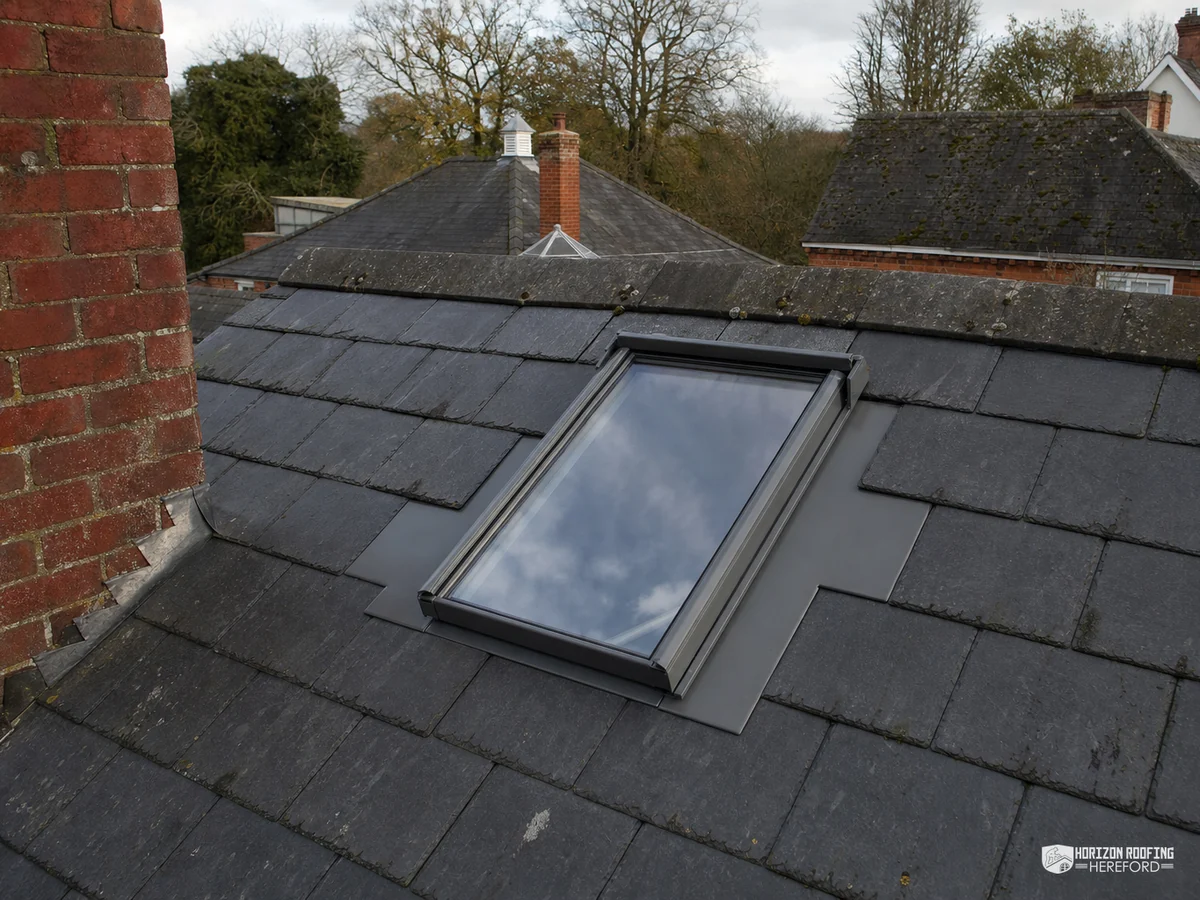
Whether a window can be cut into a Highnam roof slope is a question for our planning guide for roof windows, which compares the cases in England. Highnam is 25.9 road miles from central Hereford, south-east, a drive of about 46 minutes, and Gloucester station is the nearest. Our listed and heritage roofing hub shows how we handle listed roofs.

Who to ask about Highnam roof consent

Listed house
Tewkesbury Borough Council, for listed building consent
Church in use
The faculty route, through the diocese
Re-roof rules
Cheltenham and Tewkesbury Building Control
Scaffold on the road
A licence on the county's highway authority terms

Highnam roofs: patches, valleys and listed neighbours

How do I tell if a Highnam roof needs a patch or a new covering?

We look at the battens, the underlay, the nails and the pattern of failures before deciding. Which?, in its November 2025 survey, put one to six tiles at £75 to £400 and a complete new roof, for an average three-bedroom home, at £7,000 to £21,000, both ex VAT, so a repair that fits is far smaller than a re-cover. A patch is the better buy while the timber and underlay are sound, and the report says which case you have.

Who decides on roof work at the Church of the Holy Innocents?

The church is listed Grade I (list entry 1340330, first listed 10 January 1955). It is the Church of England parish church and is in use for worship, so roof work goes through the faculty jurisdiction, not listed building consent from Tewkesbury Borough Council. The churchwardens are the people to approach first. We photograph the roof for the request, covering the ridge, the valleys and the chimneys, so the people deciding see the roof as it stands.

Do the Old Rectory and its stables need consent for a re-roof?

Yes, if the work would affect their listed character. The stables and coach house are Grade II (list entry 1340329, first listed 26 November 1986), and the Old Rectory is Grade II (list entry 1091369). Consent comes from Tewkesbury Borough Council and sits beside, not in place of, the permitted development rights those houses keep. A repair in matching material is agreed with the council before the scaffold goes up.

Does a heavier tile on a Highnam house need Building Regulations approval?

The Planning Portal says a new covering that "increases the weight of the roof covering by 15 per cent or more" needs approval, and AD A, which calls "more than 15%" a significant change in loading, points the same way. That is a Building Regulations matter, not planning, and it brings a structural check. Cheltenham and Tewkesbury Building Control, or a registered building control approver, decides.

Which fee applies to a scaffold licence in Highnam?

For Highnam roads the fee is the county's: £145 covers a minimum of 28 days, and each extension period of 7 days is £36 (Gloucestershire County Council's table, prices from 1 April 2025). The council takes applications no fewer than twelve calendar days before the date needed. We arrange the licence with our scaffolder, and our one written total already has the scaffold inside it.

Does Highnam have a conservation area or an Article 4 direction?

Tewkesbury Borough Council keeps the conservation area list and the Article 4 list, so check both for your address. Whether a direction applies to your house is for the council to say. Ask Tewkesbury Borough Council before you plan a change to the look of a roof, and bring the answer to our survey so the report can note it.

Book a valley-to-ridge survey in Highnam

Tell us which slope or valley worries you, and add a photograph of the roof where you can, and we will book the survey.

10-year workmanship guarantee, in writing