
01432 610152 Get a quote Call 01432 610152

Roofers in Llanover

Roof work for Llanover's stone slate and natural slate buildings, close to the National Park.

Llanover lies south-west of Hereford, 27.8 road miles away and about 41 minutes by car. We photograph the roof and write one total.

Get a free quoteCall 01432 610152

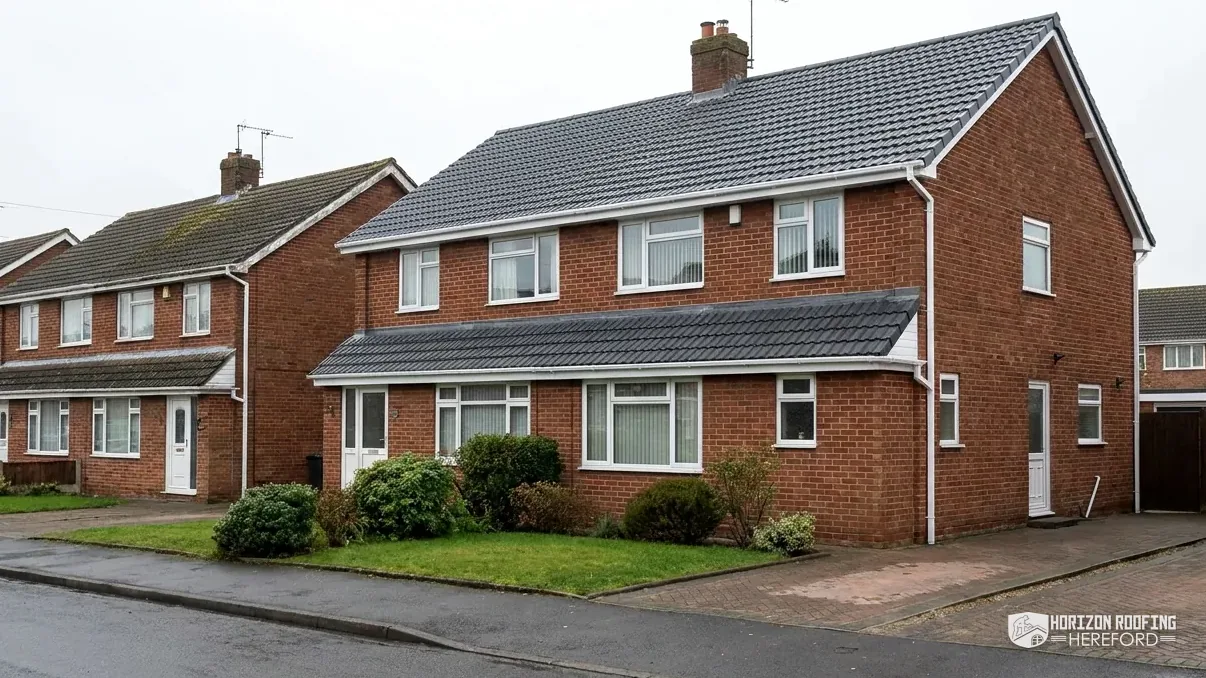
Stone slate, chapel slate and a park boundary

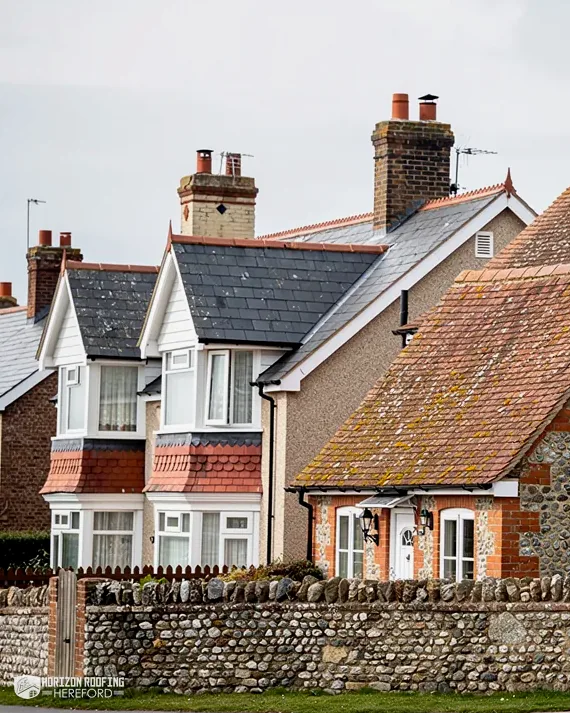
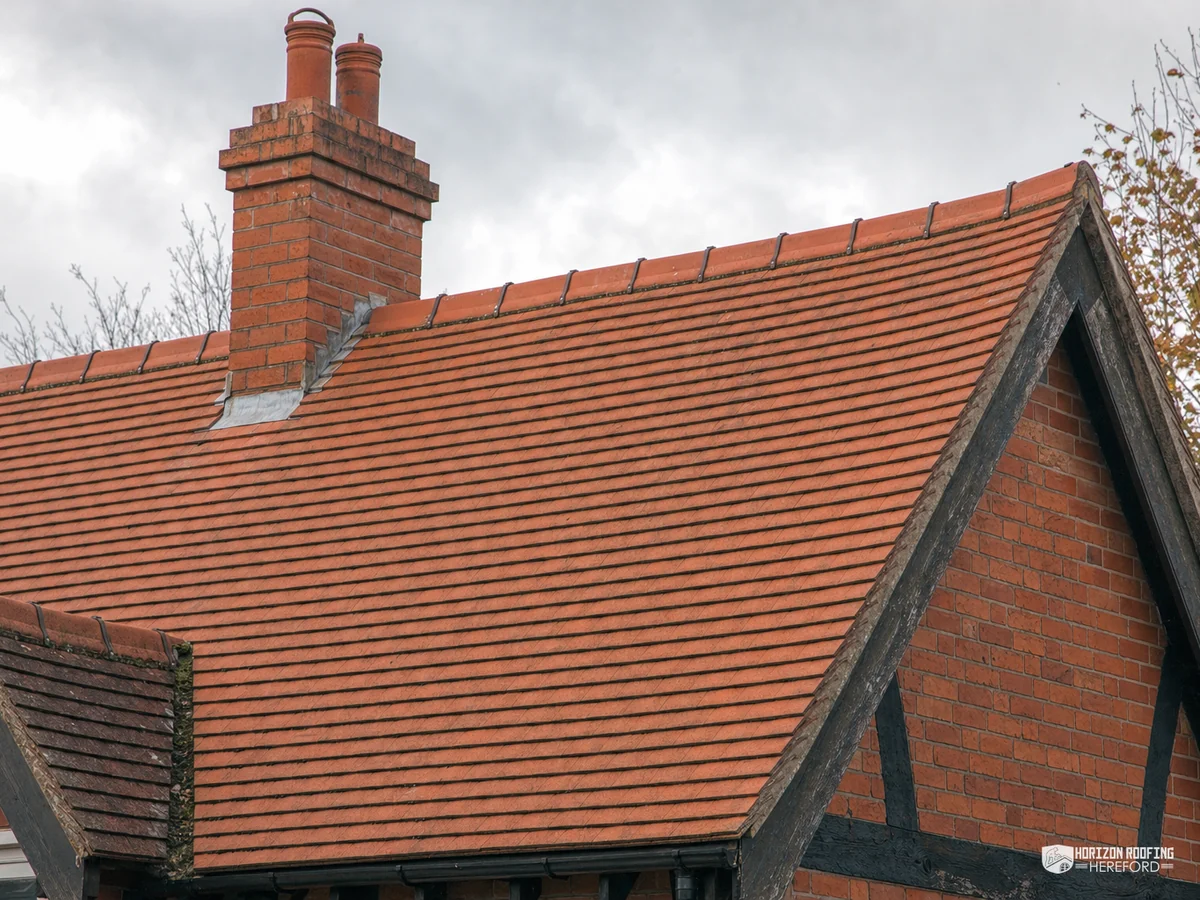
  • Older cottages with weathered clay tile roofs and brick chimneys behind a flint wall
    Stone slate on Dan-y-murCadw's listing records stone slate roofs on this Grade II house.
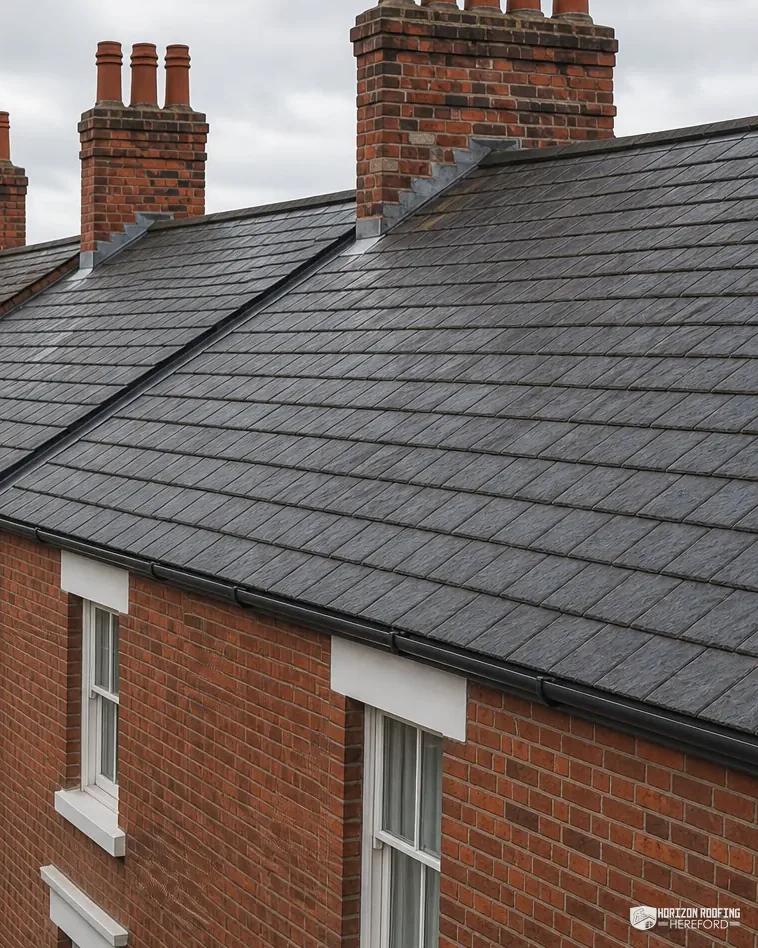
  • Slate roofs and chimney stacks along a red brick Victorian terrace
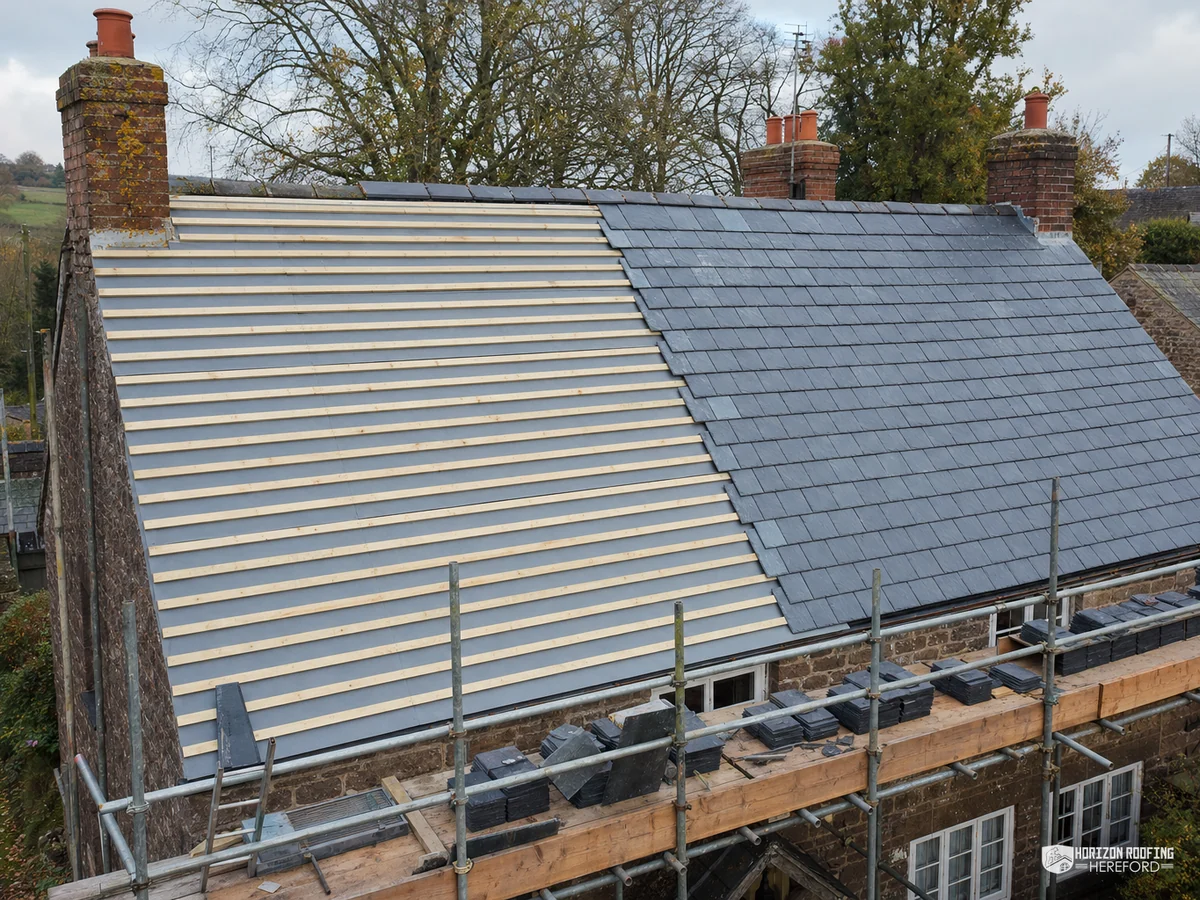
    A slate-roofed Grade II chapelHanover Chapel is recorded with a natural slate roof over sandstone rubble.
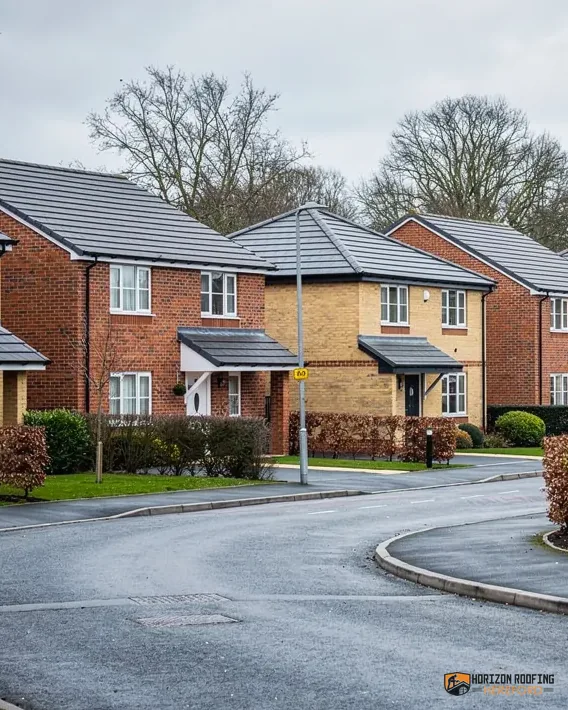
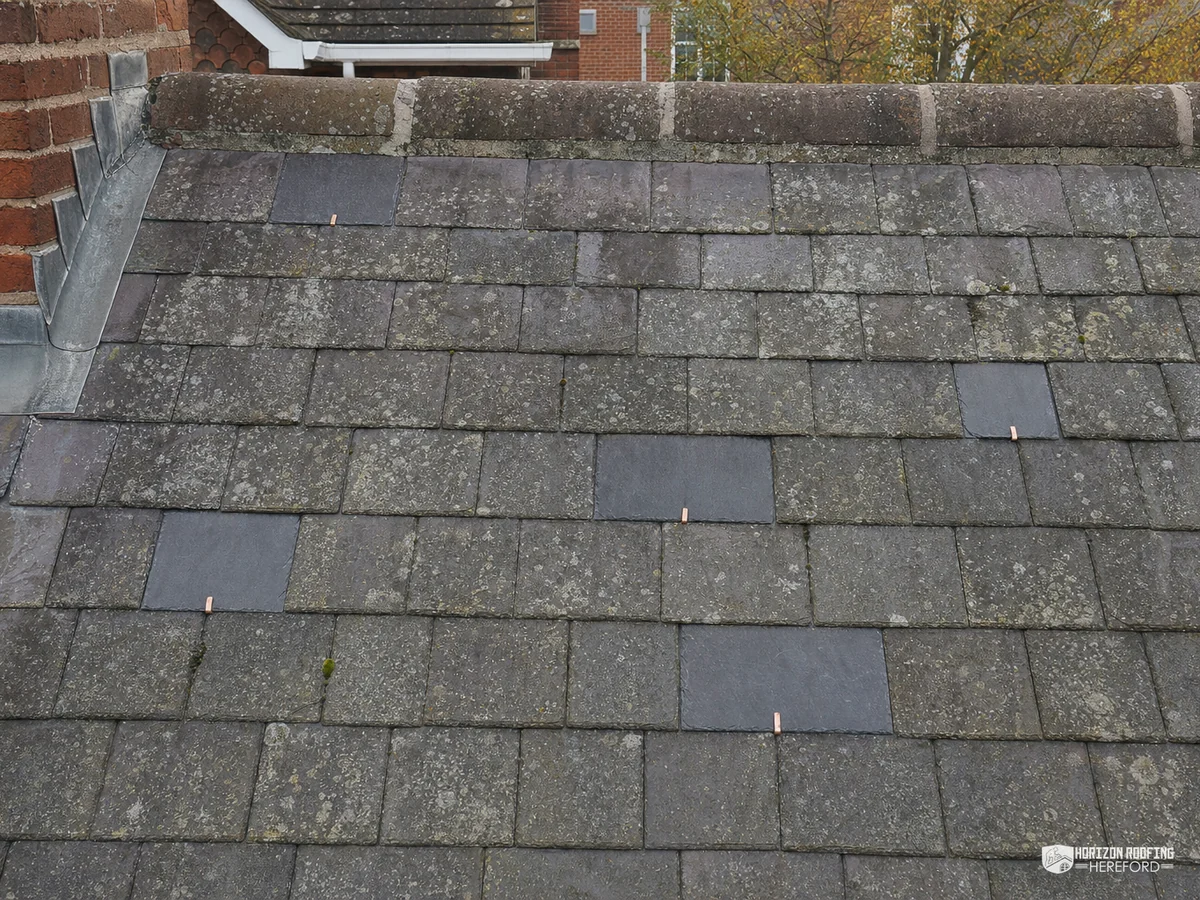
  • Newer homes with grey concrete tile roofs along a curving estate road
    Edge of the National ParkCheck whether your address sits inside the Park boundary before any planning step.

Llanover and the miles from Hereford

Llanover on a street map, with a dashed circle around the town and the nearest towns we cover. Tiles © Esri; map data © Esri, HERE, Garmin, OpenStreetMap contributors.

Llanover: stone, slate and listings

From stone slate to a chapel roof: reading Llanover from the slopes down

Our Llanover survey opens on the slopes, where stone slate and natural slate meet their fixings, turns to the listed houses and chapels and the consent behind them, and ends at the ridge, where the fixing rules apply.

A drawn cut-away section through a Herefordshire border house: the front of the main roof is cut open to show the rafters, underlay, battens and slates, beside a black-and-white timber-framed gable. Numbered, from the ridge down: 1 Stone slate; 2 Listed walls; 3 Ridge fixings.

Fig. 1 A Llanover roof cut open, with slope, wall and ridge marked from the top down.

Callout 1 of 3

Stone slate and natural slate in Llanover

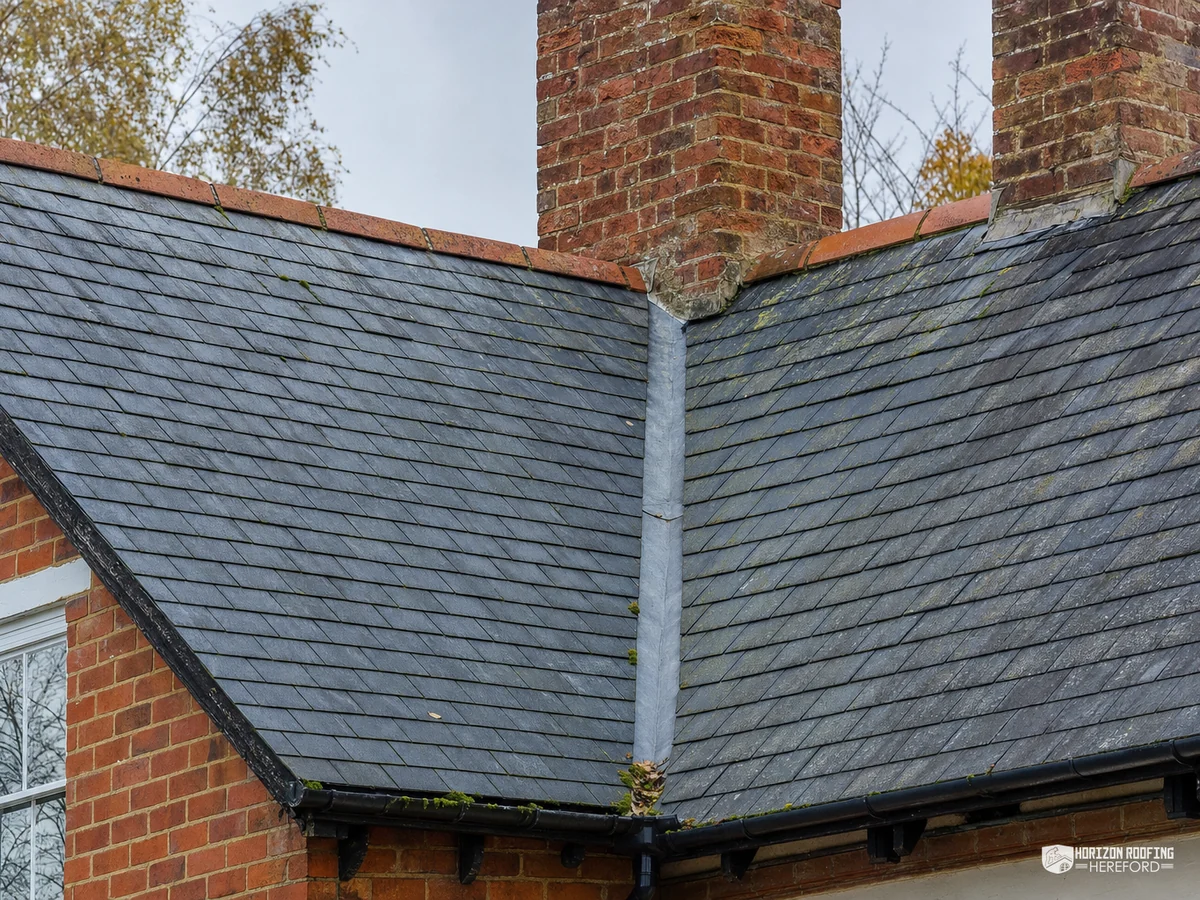
Two coverings sit side by side in Llanover's listings. Cadw's listing for Dan-y-mur, Grade II (record 87150, listed on 9 December 2005), describes a house "Built of roughly squared rock faced local red sandstone rubble, with stone slate roofs". Hanover Chapel, Grade II (record 1994, listed on 9 January 1956), is "Built of coursed and squared brown sandstone rubble with a natural slate roof". Stone slate is roofing cut from sandstone, while natural slate is a true slate, and each has to be read on its own terms when it is repaired.

In its guidance for owners of older roofs, SPAB writes that Welsh slate and stone roofs "are predominantly double-lapped". It also has a warning: "many are changed to different stones or even to slates or fake stone slates". And it says "Claims of unavailability or long delivery times should always be checked with the quarries." So a supplier's statement that a stone cannot be had is a question, not a verdict, and we put it to the source before suggesting a change of material. No dependable life figure is set for stone slate, so the survey, not a table, decides how much of the old covering can stay.

On a natural slate roof the picture is easier to put a number on. HomeBuilding lists new Welsh slate at "100+ years", and SPAB puts the life of a well-slated roof at "likely to be more than 100 years". We lift a few courses where slipped slates show, read the fixings underneath and photograph what we find. The loft side of the roof gets a visit too, because battens, rafters and daylight tell us where a covering has let go.

Welsh rules apply to every Llanover re-roof. The Welsh Government's guidance says that after a period of time a roof "may need to be replaced" and that "In most situations, this work will need Building Regulations approval." Our roof repairs page covers the smaller jobs, our roof replacement page deals with a complete re-cover, and Monmouthshire County Council Building Control is told before either begins.

Read on a Llanover stone slate roof

  • Slates that have slipped or split
  • Which slates are sound enough to refix
  • Replacement stone against size and colour
  • Fixings and laps beneath the covering
  • Photographs of every course lifted

A stone that is said to be out of stock gets a call to the quarry.

Fig. 2 The slopes, drawn close

Callout 2 of 3

Listed houses, a chapel and the consent they need

The second callout is the wall, and the listed buildings that stand beside it. Cadw's listing for Tre-Elidyr, Grade II (record 87196, listed on 9 December 2005), is one of several entries around the village. The Historic Environment (Wales) Act 2023 protects a listed house. Section 88(1) reads: "A person must not carry out works to which this section applies, or cause such works to be carried out, unless the works are authorised under section 89." Section 89 supplies that authority as listed building consent, and both have applied since 4 November 2024. A listed house keeps its permitted development rights, though listed building consent applies on top, so what goes on the roof, and how, is settled with the council first.

Hanover Chapel raises a different question. The Listed Buildings (Exempt Religious Buildings) (Wales) Regulations 2024 list church buildings of the Methodist Church and the Church in Wales, Roman Catholic diocesan trustees, the Baptist Union Corporation Limited, the Welsh Baptist Union Corporation Limited, together with the faculty jurisdiction for Church of England buildings. They contain no entry for the United Reformed Church. A chapel on that list that is still used for worship follows its own body's system. A chapel that has closed for worship, or one held by anyone outside the list, goes to the council for consent. Which group Hanover Chapel falls in depends on who governs it, so that is the first call.

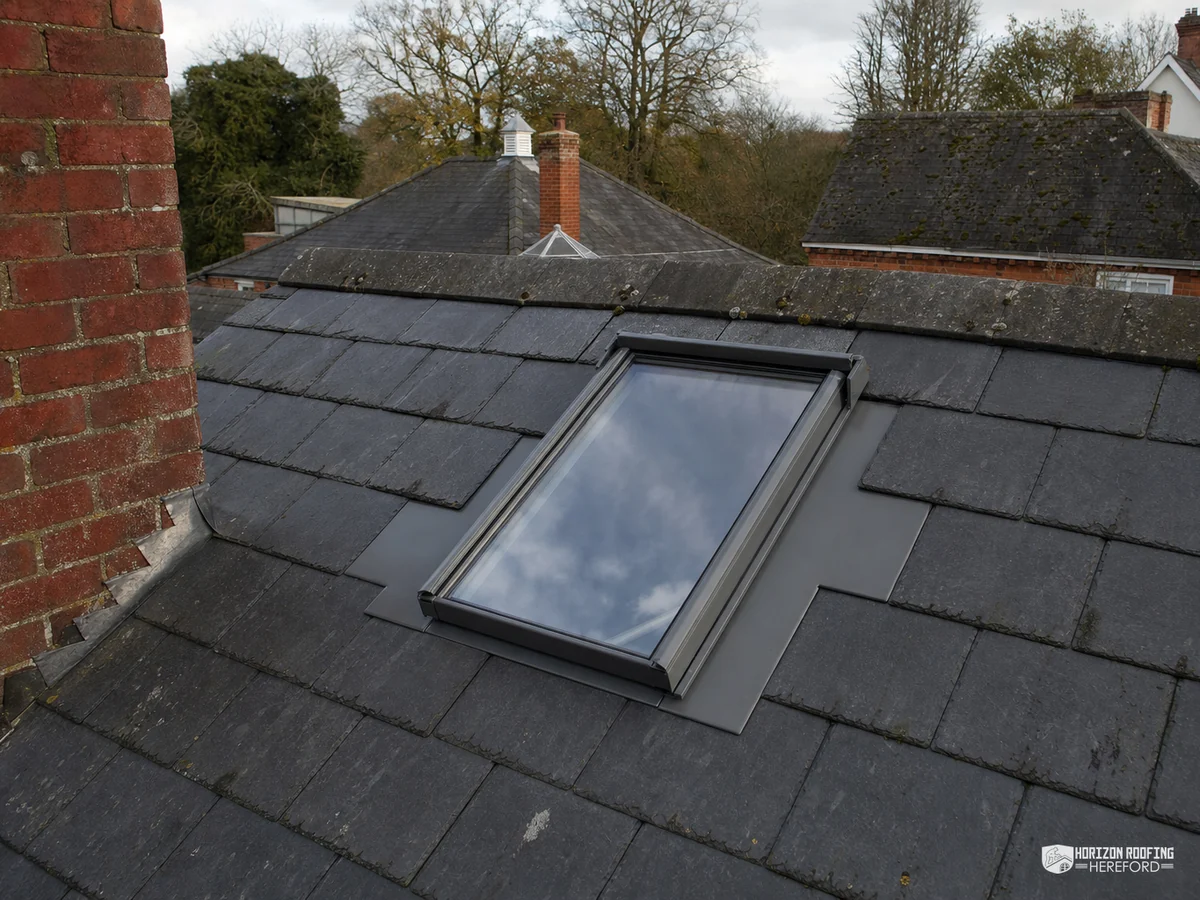
Part of the land around Llanover lies inside the Bannau Brycheiniog National Park, while the village itself comes under Monmouthshire County Council for planning. An address inside the Park boundary goes to the National Park Authority, so check which side of the line your own house is on. Monmouthshire County Council also keeps a Llanover conservation area close to the village centre, and a conservation area is article 1(5) land, as the Park is, so roof lights and dormers there go through planning rather than permitted development. Our planning guide for roof windows sets out the detail.

Building control is done by the council or by a registered building control approver, and neither replaces the planning step. Our listed and heritage roofing page describes what changes when a roof belongs to a protected house.

Who decides planning here?

Which body decides planning for my Llanover address?

Monmouthshire County Council decides it for the village itself. Where an address falls inside the National Park boundary, the National Park Authority takes the planning side instead. Building control stays with the council in both cases, so check the boundary against your address first.

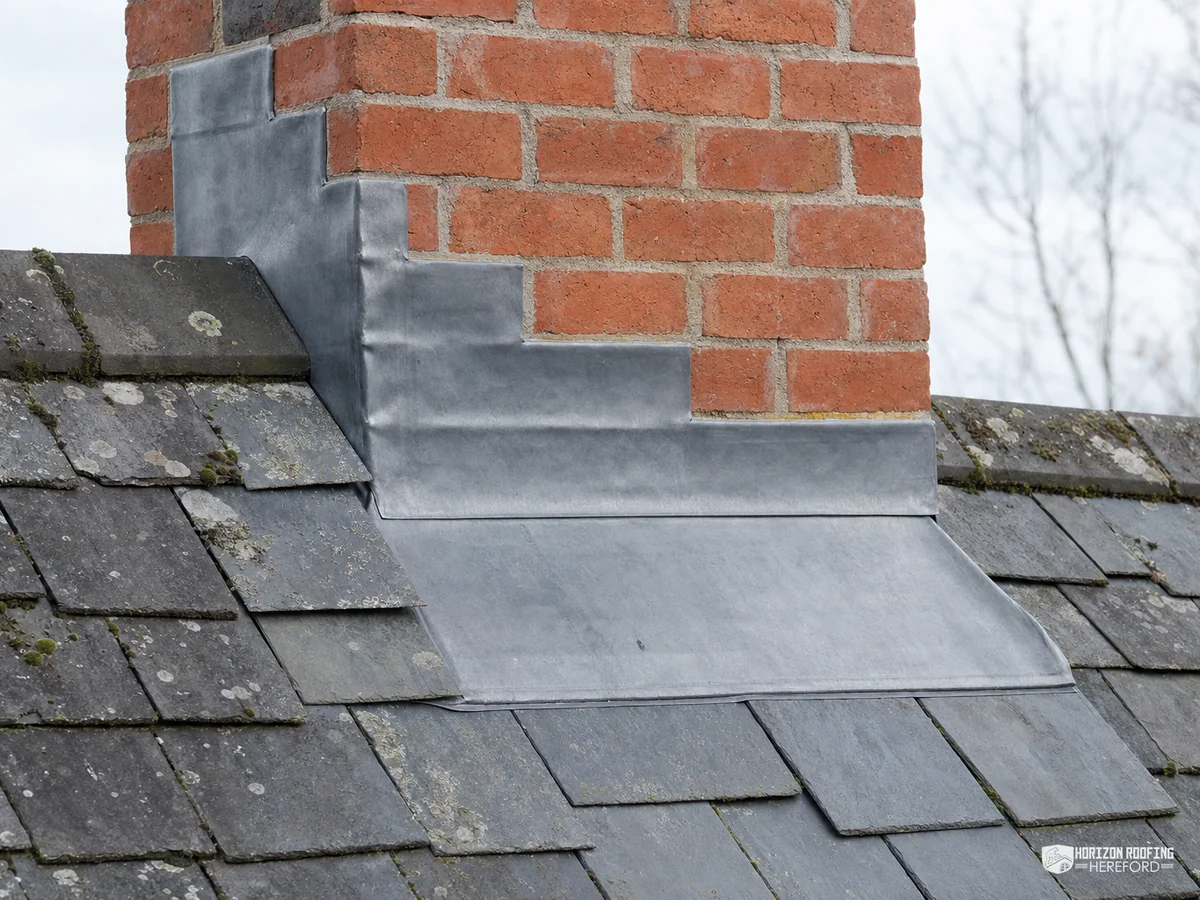
Fig. 3 Wall abutments, drawn close

Callout 3 of 3

Ridge fixings and the insulation a re-cover brings

The ridge is the crown of the roof, and a row of capping tiles covers it. Those caps sit on a bed of mortar or are held down by a dry-fix kit, and BS 8612 is the specification for the kit. Marley, the tile maker, writes that "Installing to BS 5534 isn't required by law", yet its page adds that after the 2015 amendments "mortar could no longer be relied upon as the only means of securing the roof covering". BS 5534:2014+A2:2018 remains the code for slating and tiling work. We press every capping tile by hand and photograph any that rock. Mortar is not ruled out, and on a listed house we retain the bedded appearance with a mechanical fixing beneath it.

A re-cover changes the insulation question as well. The Welsh Government puts it this way: "As a roof is defined as a thermal element, the work to re-cover a roof should also include for improving the thermal insulation properties of the roof." The Welsh Approved Document L sets figures for it. Table 4.1 asks for 0.13 W/m²K for a new roof on a dwelling already standing, while Table 11.1 gives 0.16 for a renovated roof once more than 50 per cent of the element is renovated, with 0.35 as the worst acceptable figure. That lower limit is for roofs where 0.16 is not economically, functionally or technically feasible, and the economic test asks whether the initial cost is paid back within 15 years through energy savings.

Weight and fire performance are checked too. The Welsh Government says that approval is likely to be needed for a different covering "to ensure the roof will be adequate in terms of structural stability", and it names slate to tiles as an example. The Welsh edition of Approved Document L that takes effect on 4 March 2027 will replace the current one. Until then we work to the tables above and name them in the quote.

What sets the price of a Llanover re-cover

Covering
Stone slate, natural slate or tile each change the job
Roof shape
Hips, valleys and stacks add detail to cut and fix
Access
How far the scaffold must reach and where it can stand
Listed status
Consent and matched materials add steps
Timber beneath
Battens and rafters found rotten once the covering is off

One written total price, never itemised.

Llanover roofs: stone, listings and the Park edge

Can new stone slates be matched to the roof on a Llanover house?

Matching is the aim. SPAB warns that on many stone roofs the covering has been "changed to different stones or even to slates or fake stone slates", and it says claims about stock or delivery times should be checked with the quarries. Dan-y-mur is listed with stone slate roofs, so on a house like it the replacement stone is agreed with the council in writing before anything is ordered, and we photograph the samples against the old slates.

How can I tell whether my Llanover address is inside the National Park?

Compare your address with the Park boundary, or ask Monmouthshire County Council, which decides planning for the village itself. If the address is inside the National Park, planning goes to the National Park Authority, and the land is article 1(5) land, where a new roof light or dormer has to go through planning permission. Building control stays with the council either way, and we confirm the boundary with the right body before we quote, so the quote rests on the correct rules.

Does the Llanover conservation area change how a roof is re-covered?

The Welsh Government's plain summary says "the appearance of the materials used must, as far as possible, match the appearance of those used on your existing roof", and that Article 4 directions are "most common in conservation areas". So the replacement covering is chosen to look like the old one, and the council is asked whether a direction covers your street. New roof windows are a separate planning matter, and the planning guide linked in the second chapter explains why.

When must the scaffold paperwork go in for a Llanover re-roof?

Monmouthshire County Council's form asks for at least 5 working days before the scaffold goes up, and it lists an administration fee of £108, with £27 per week to extend. Under section 169 of the Highways Act 1980 any scaffold that obstructs the highway needs a licence; we arrange the licence with our scaffolder. If the scaffold can stand wholly on your own land, clear of the road, no highway licence is involved.

What do guides publish for a whole new roof on a house of Llanover's size?

Which? surveyed Trusted Traders in November 2025 and, before VAT, gave £7,000 to £21,000 for a full reroof of an average three-bedroom house. HomeBuilding's 30 September 2025 guide sets £10,000 to £15,000 for a 65 m² semi with a plain concrete tile roof, and for Welsh slate on that house it writes "might reach £18,000". These are UK ranges. Our own figure is one written total, set after the survey.

I signed for a Llanover re-roof at my kitchen table: can I still cancel?

Under the Consumer Contracts Regulations 2013, a contract made in your home after the survey is an off-premises contract, and the cancellation period ends 14 days after the day it is entered into. Work can start sooner only once you have requested it in writing. Where you asked for a visit for urgent repairs, regulation 28(1)(e) removes the right. Citizens Advice answers consumer questions on 0808 223 1133, and in Welsh on 0808 223 1144.

Have your Llanover roof read from the slopes

Describe the covering or send a picture. The survey comes first, then one written total.

10-year workmanship guarantee, in writing