
Callout 1 of 3
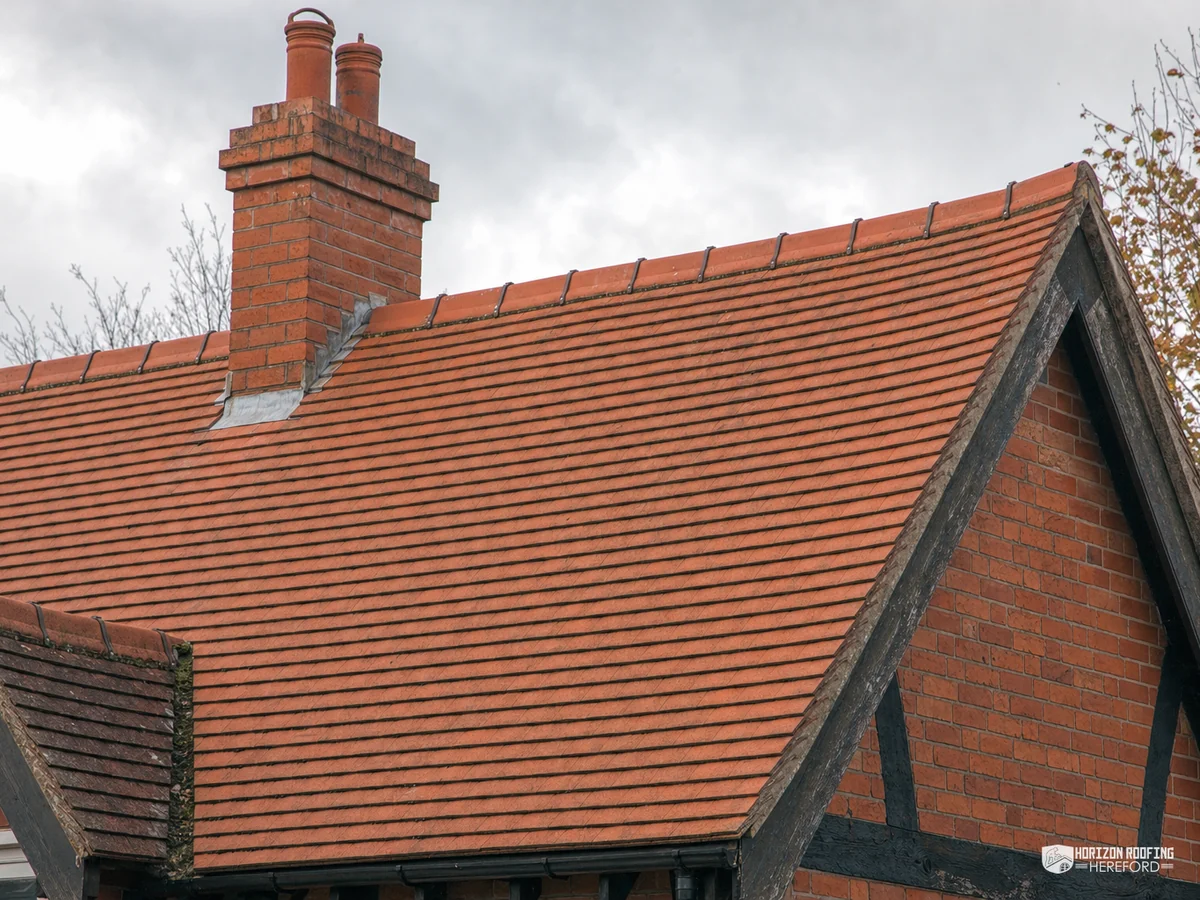
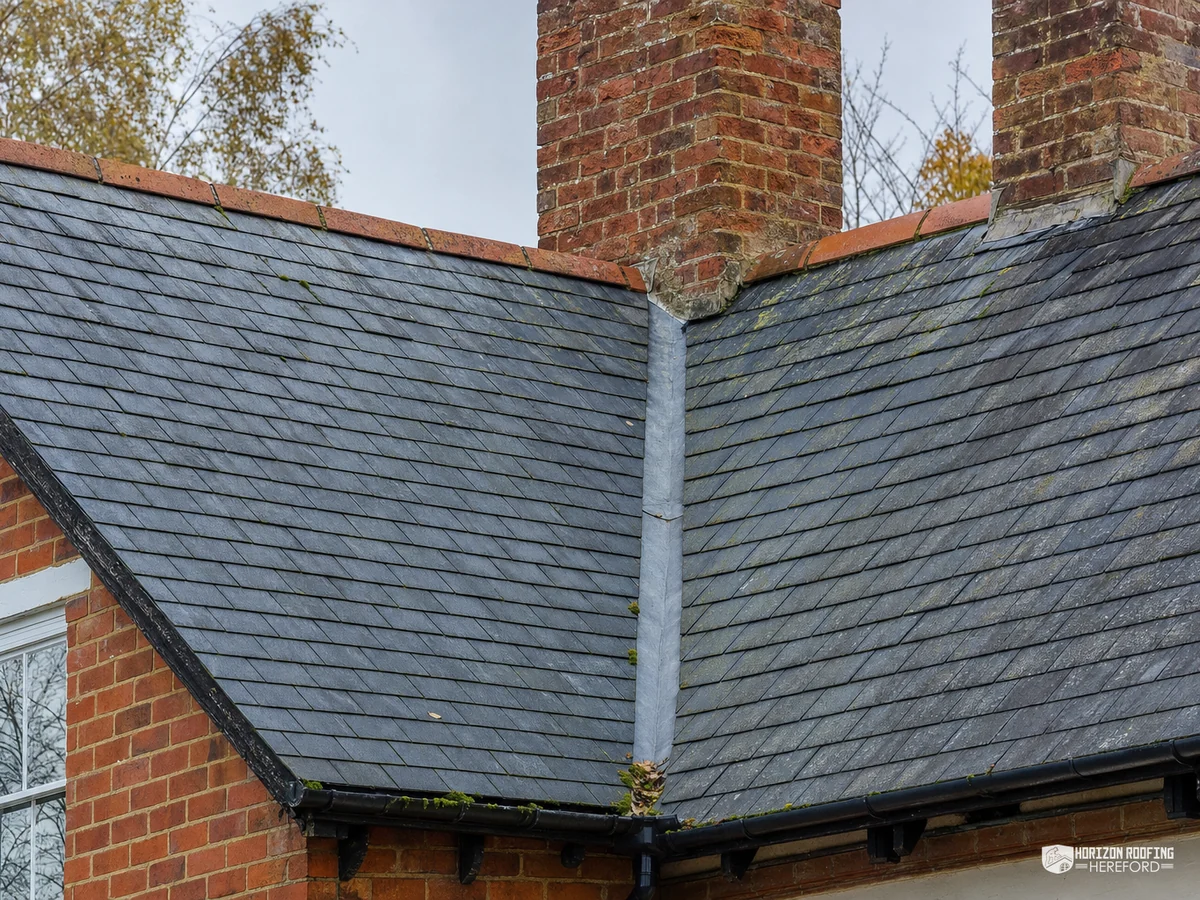
The valley where two Eign Hill slopes meet
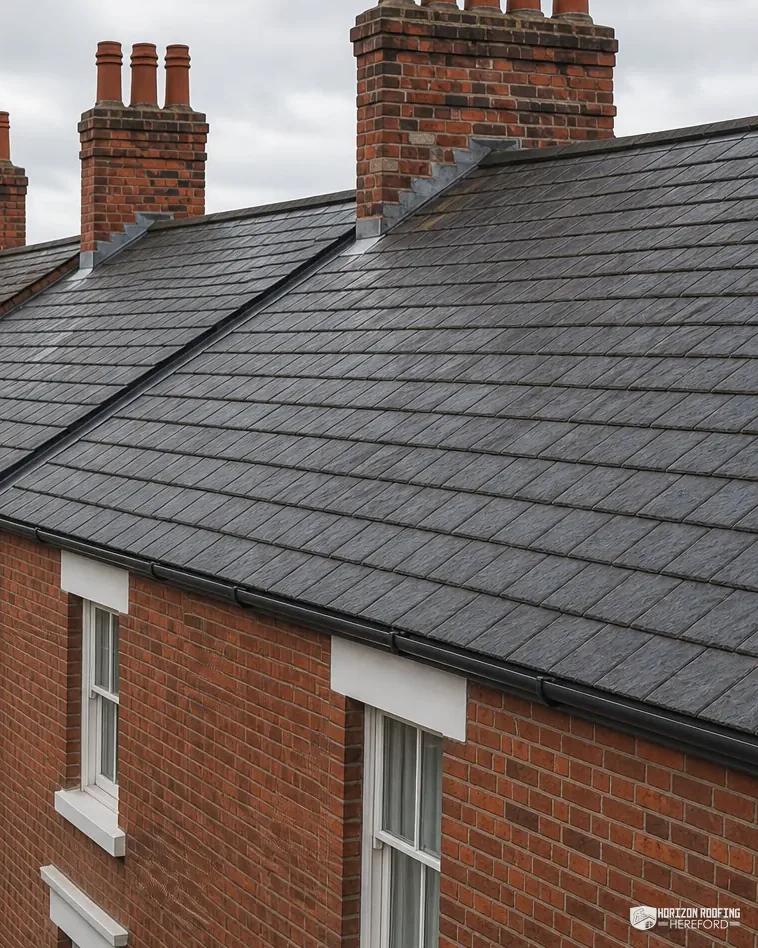
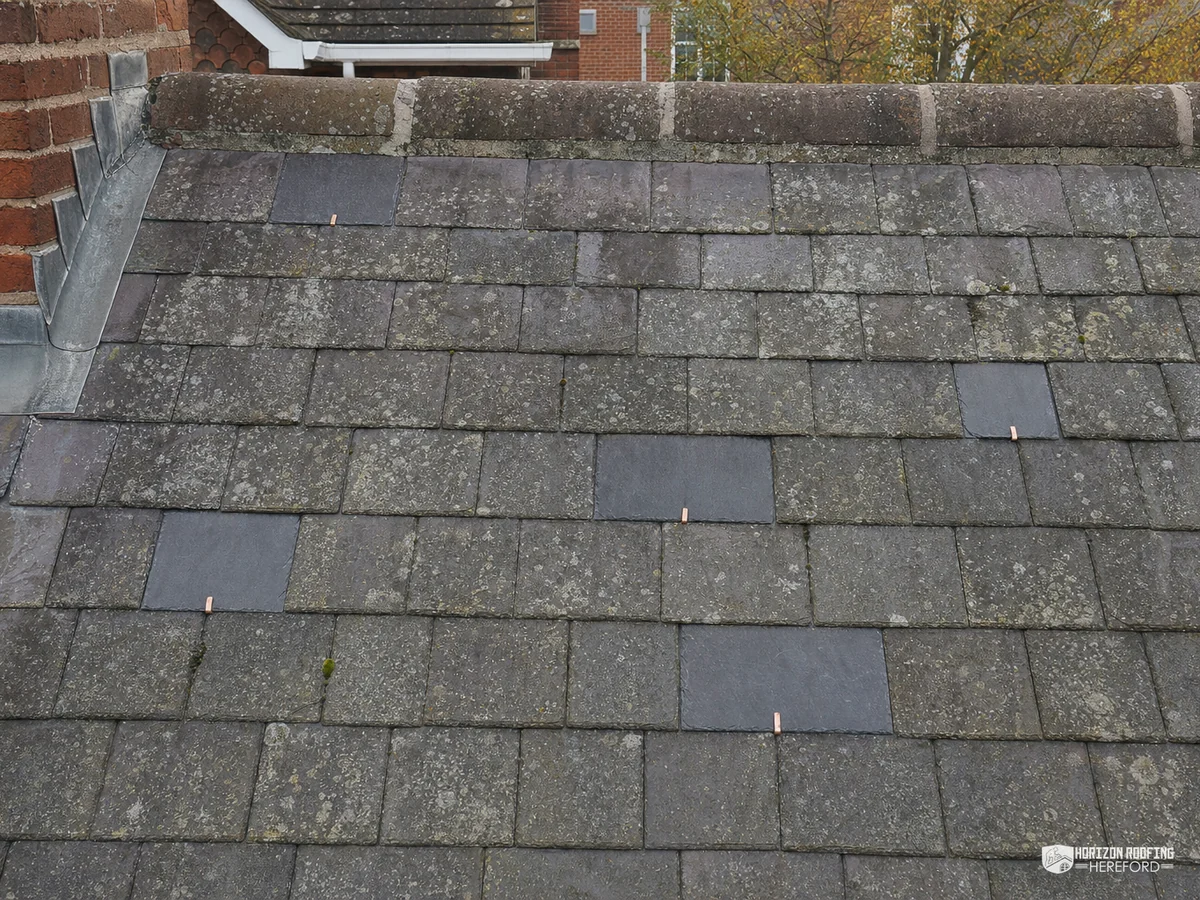
Where two slopes run down into each other they form a valley, an inward angle that collects the runoff from both of them. It is the hardest-worked drain on the roof, and a single run of lead carries the whole load. In a lead-lined valley, a trough of sheet metal runs down the angle, with the tiles or slates cut and lapped to either side of it. We look for splits in the lead, for tiles that have slipped back from the edge of the trough, and for whatever blocks it: moss, leaves, the odd ball from a neighbouring garden.
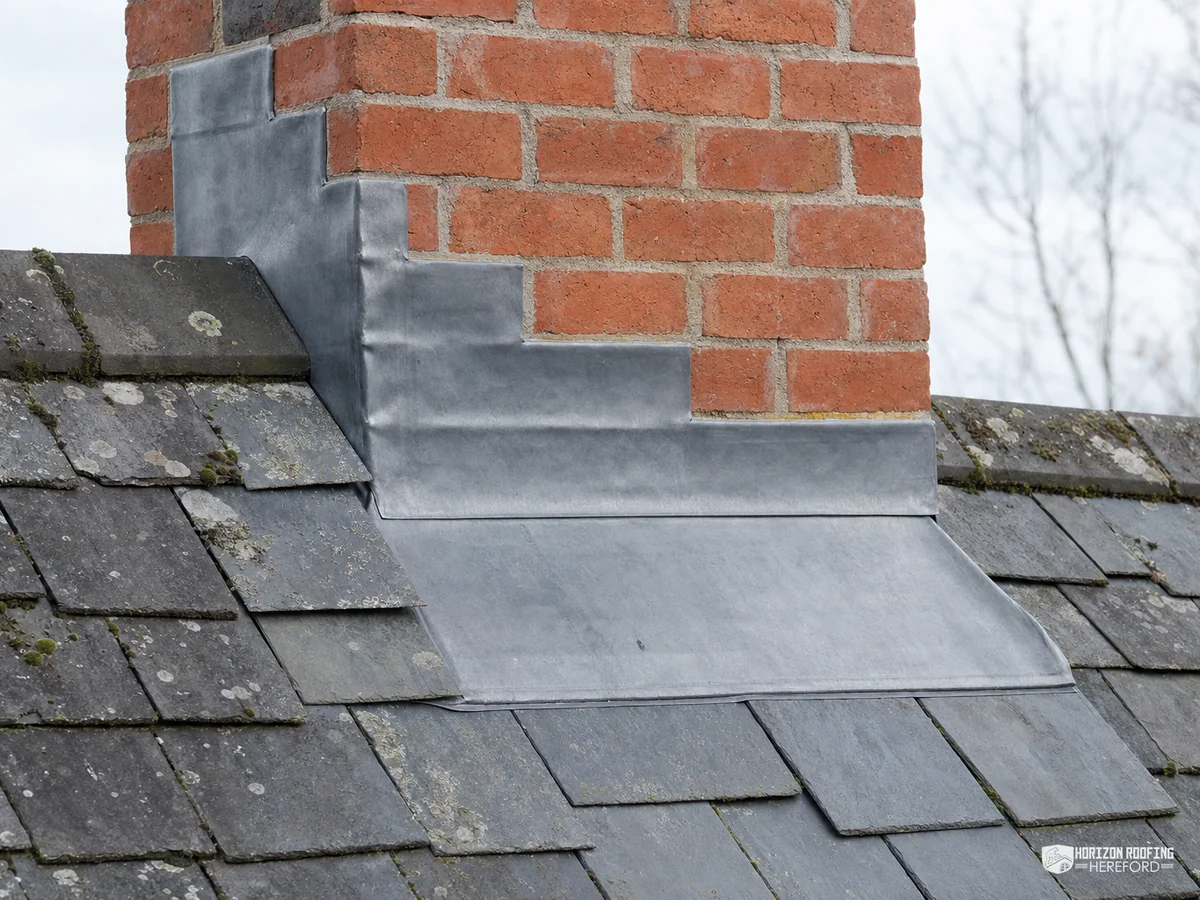
Royston Lead's table lists Code 4, 5, 6, 7 and 8 for pitched valley gutters, the lead troughs set in the angle, and each code is a thickness, from 1.80 mm for Code 4 up to 3.55 mm for Code 8. Lead sheet sits outside BS 6229, the standard for flat-roof membranes, and Approved Document C points to BS 6915 for lead. As for age, MyJobQuote says lead flashing, if installed correctly, "can last for over 80 years", a hedged claim about flashing that we do not stretch to every valley.
Where a lead valley is sound, we clear it and leave it alone. Where the lead has split along a fold or worn thin at the centre, a patch can fail again beside itself, so we show the photographs and say whether a new length is the better buy. Before new lead goes in, the boards beneath are checked for rot, since a trough laid on soft timber will not stay flat and will crease at the first change in temperature. The edges of the neighbouring tiles are checked at the same time, and any that have chipped or slipped back from the lead are replaced or reset, so the new trough has a clean line to drain along from top to bottom.
A tower or a scaffold is sometimes needed to reach the foot of a valley safely. If it stands on the public footway, section 169 of the Highways Act 1980 calls for a licence, and the questions below give the council's fee, its extension charge and its notice period. We arrange the licence with our scaffolder. Our lead roofing page covers valleys, flashings and flat leadwork at greater length.
A valley question
Can a split valley be patched instead of relaid?
A short split in otherwise sound lead can sometimes be repaired. A valley with several splits, thin centres or soft boards beneath is better relaid. We photograph the lead and the boards so that you can judge which case you have.
A trough laid on soft boards creases, so the boards are checked before any lead goes in.