
01432 610152 Get a quote Call 01432 610152

Roofers in Madley

Roof repairs and re-roofs for Madley, 7 road miles west of Hereford.

We read stone slate, slate and lead joint by joint, photograph the faults and put one written total to you.

Get a free quoteCall 01432 610152

Slipped slates, split lead and listed neighbours

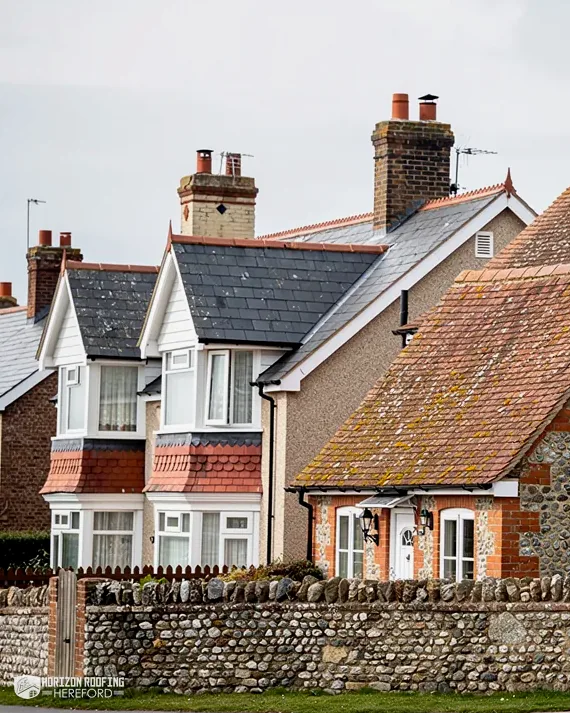
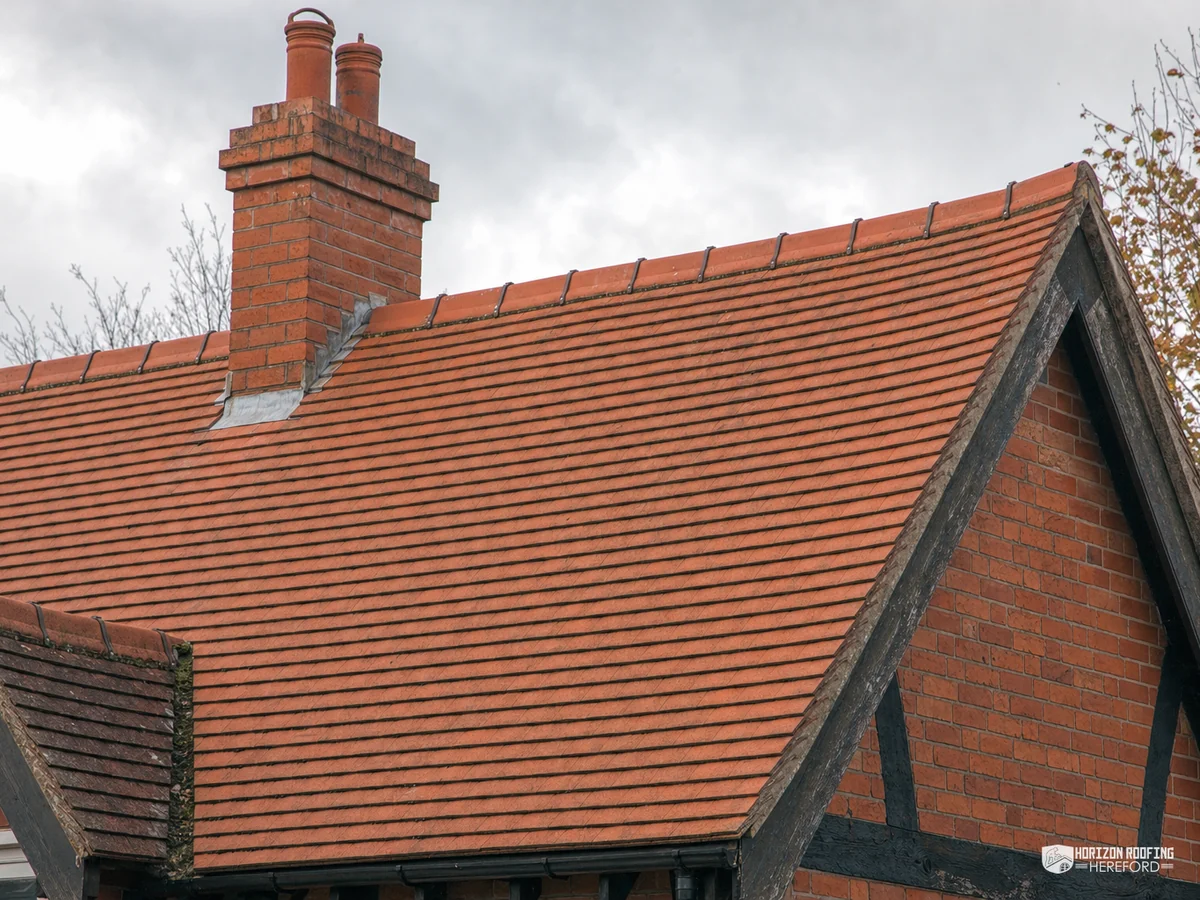
  • Older cottages with weathered clay tile roofs and brick chimneys behind a flint wall
    Stone slates and slatesTwo coverings need two ways of repair, so we identify each first.
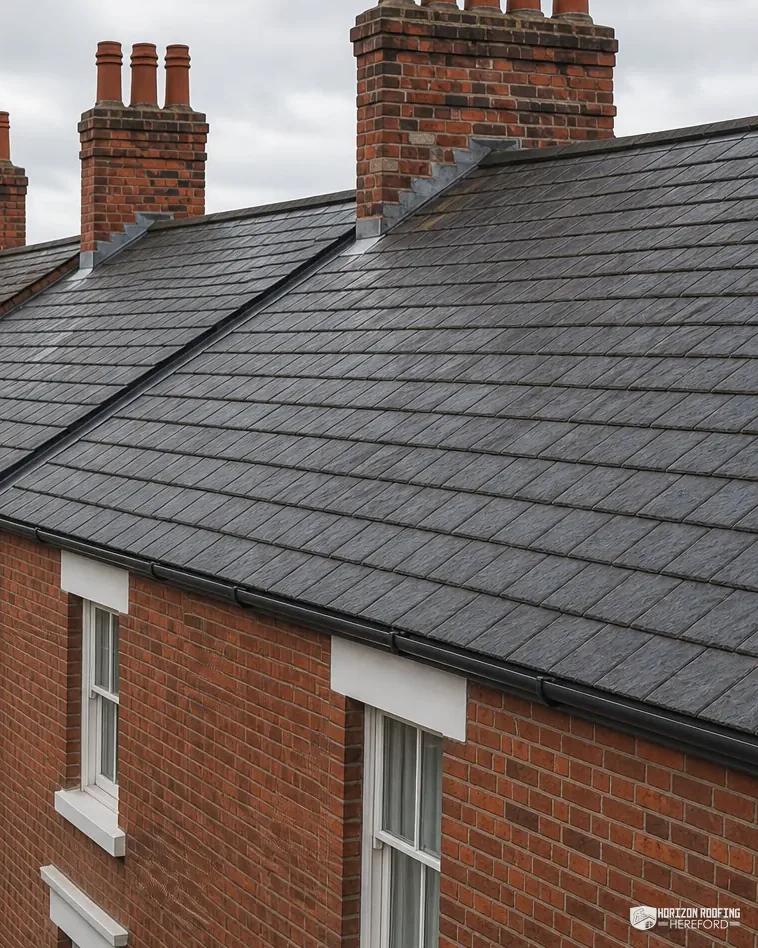
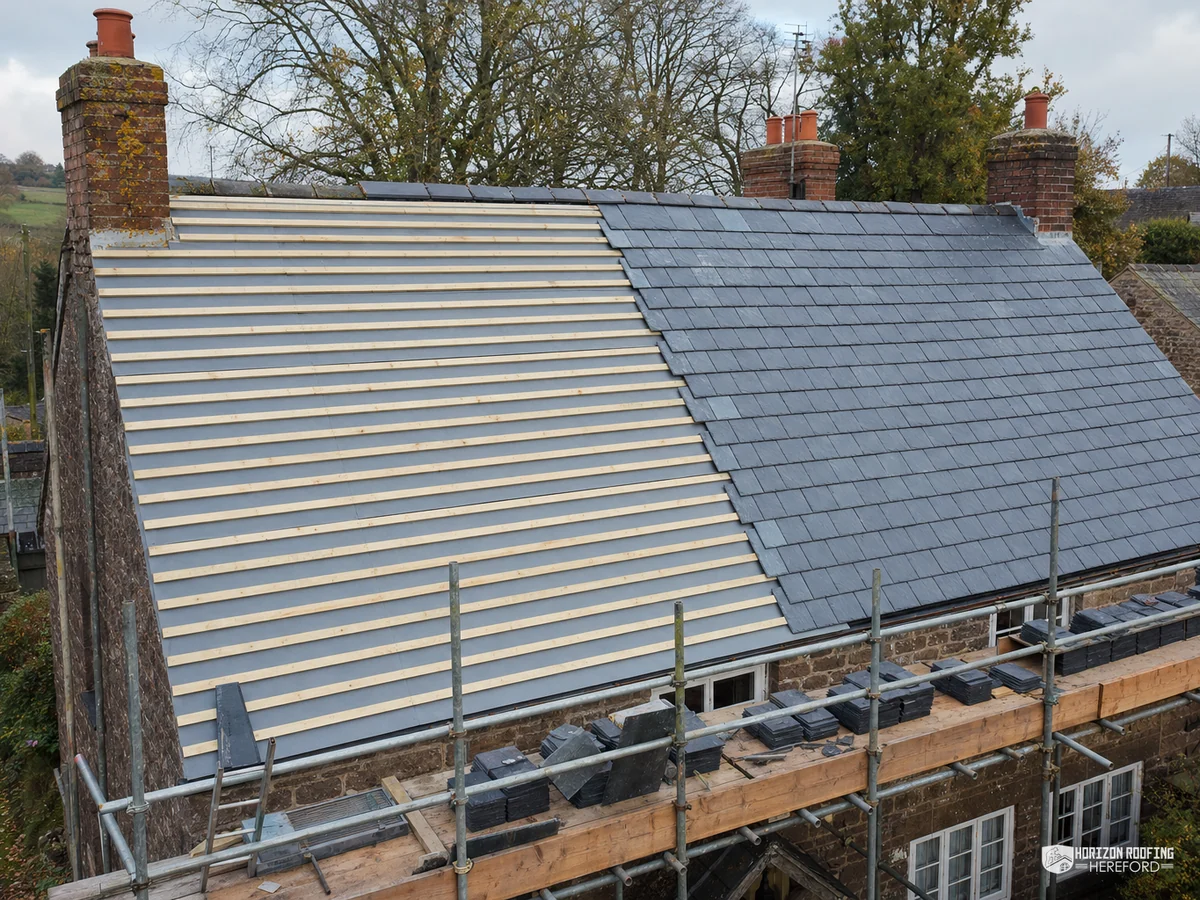
  • Slate roofs and chimney stacks along a red brick Victorian terrace
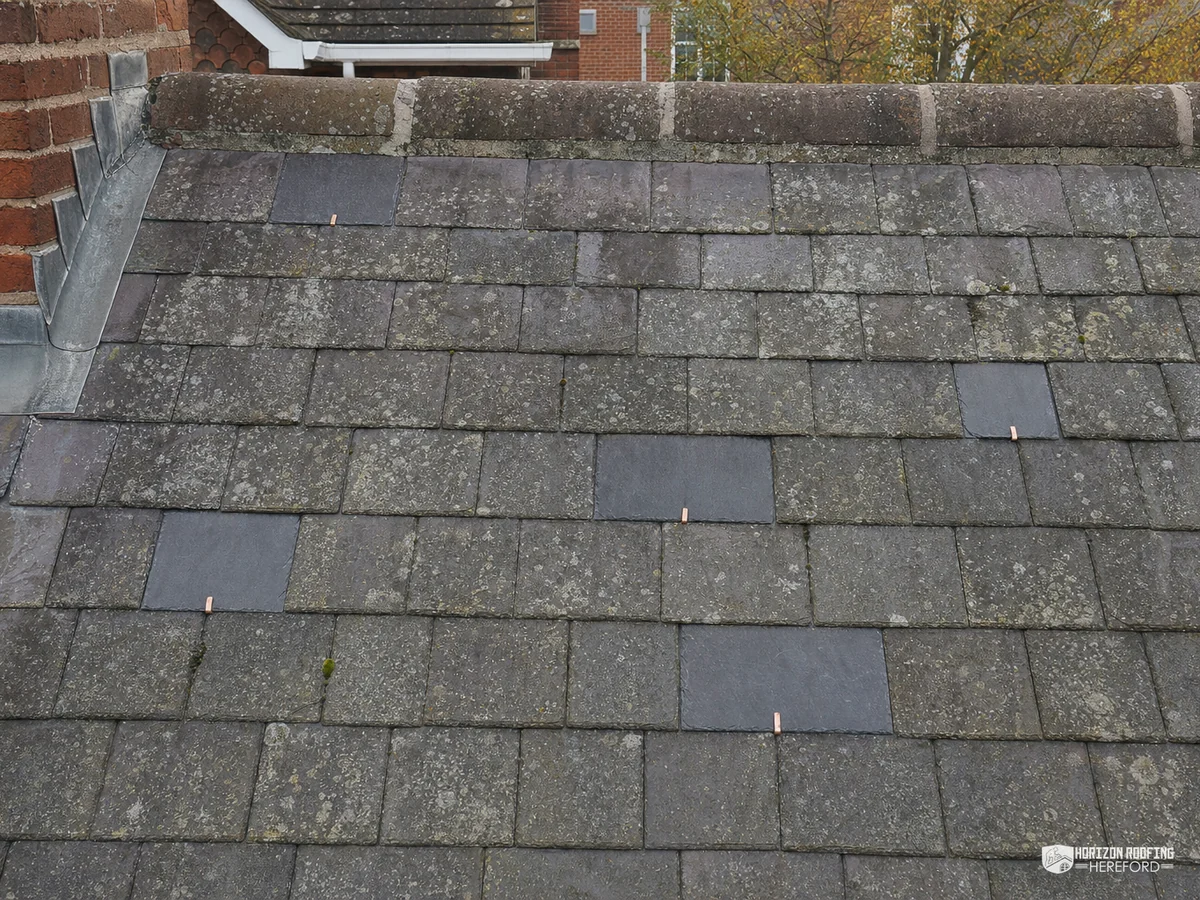
    Lead at the jointsLead against walls and stacks splits wherever it has flexed with the seasons.
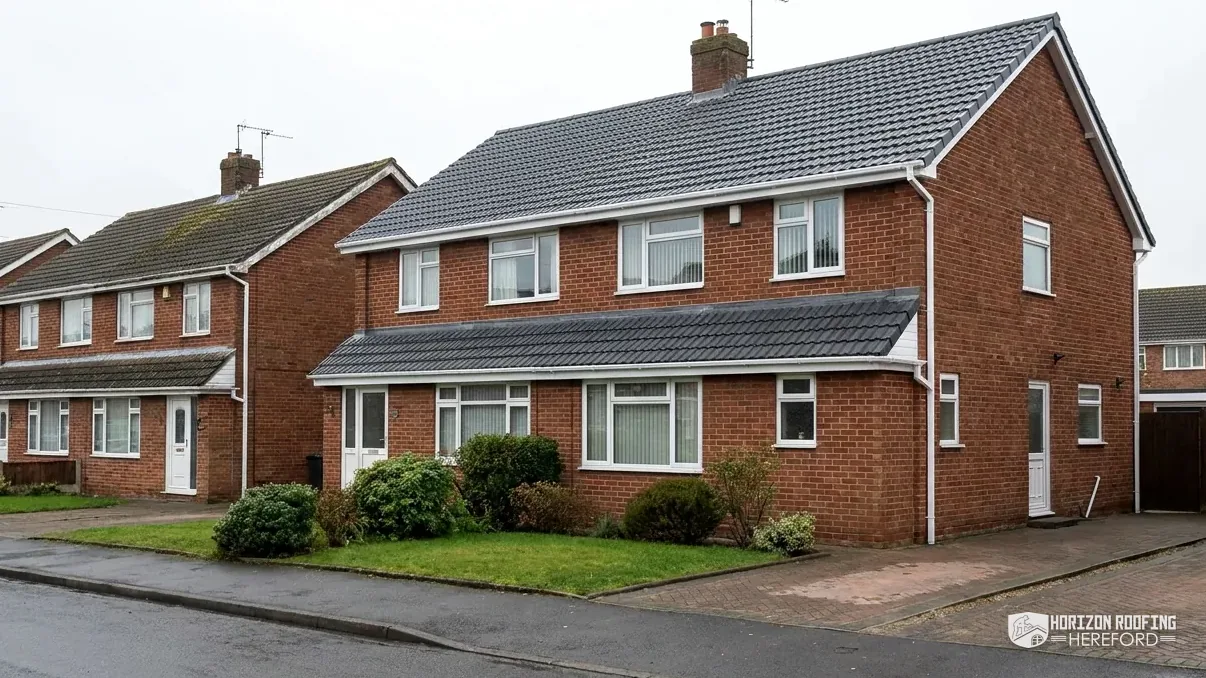
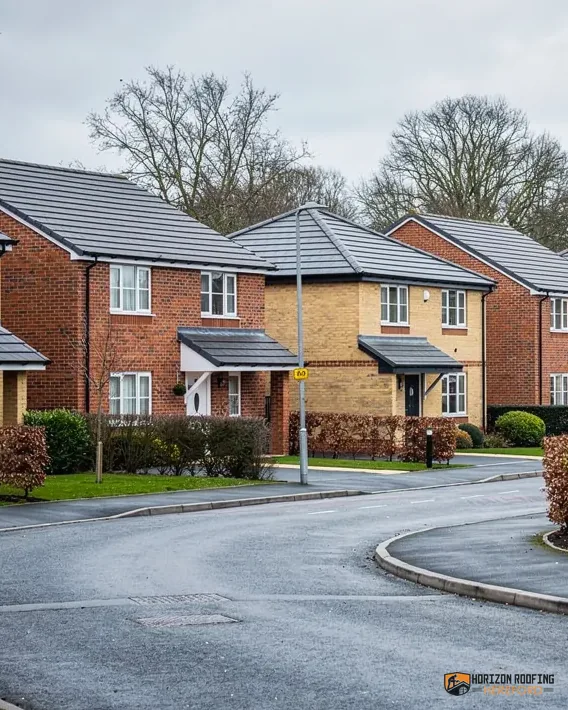
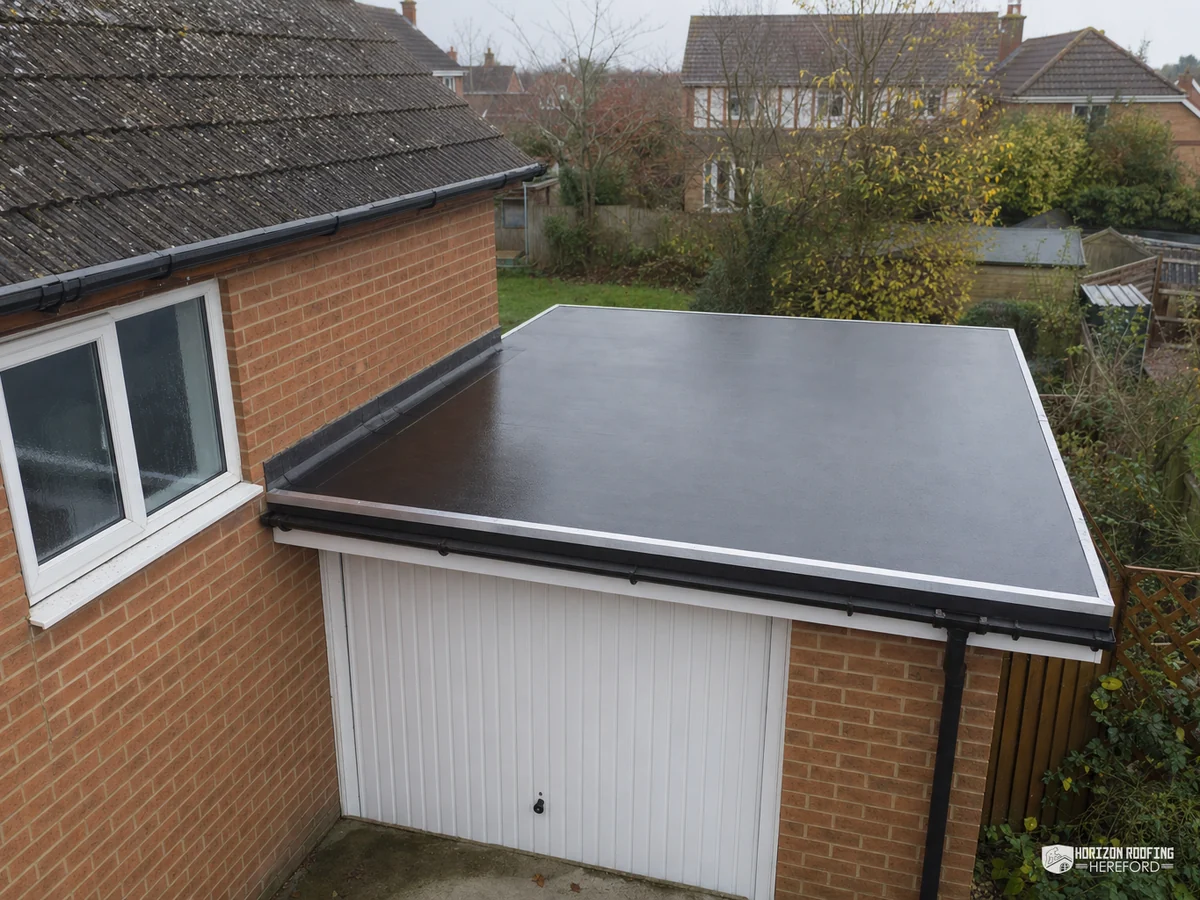
  • Newer homes with grey concrete tile roofs along a curving estate road
    Listed houses and the churchListing and the faculty system decide who consents to roof work.

Madley and its district

Madley on a street map, with a dashed circle around the town and the nearest towns we cover. Tiles © Esri; map data © Esri, HERE, Garmin, OpenStreetMap contributors.

Madley roofs, slate to church

Madley's slopes, their lead and the listed cluster round the church

Our Madley visit opens on the slope, telling stone slates from thinner modern slates, goes on to the lead at every wall and stack, and ends with the church and its listed neighbours, where consent shapes the method.

A drawn cut-away section through a Herefordshire border house: the front of the main roof is cut open to show the rafters, underlay, battens and slates, beside a black-and-white timber-framed gable. Numbered, from the ridge down: 1 Stone and slate; 2 Lead joints; 3 Church and listings.

Fig. 1 Border house in section; the three Madley callouts are numbered on the drawing.

Callout 1 of 3

Stone slates, modern slates and the Madley roof

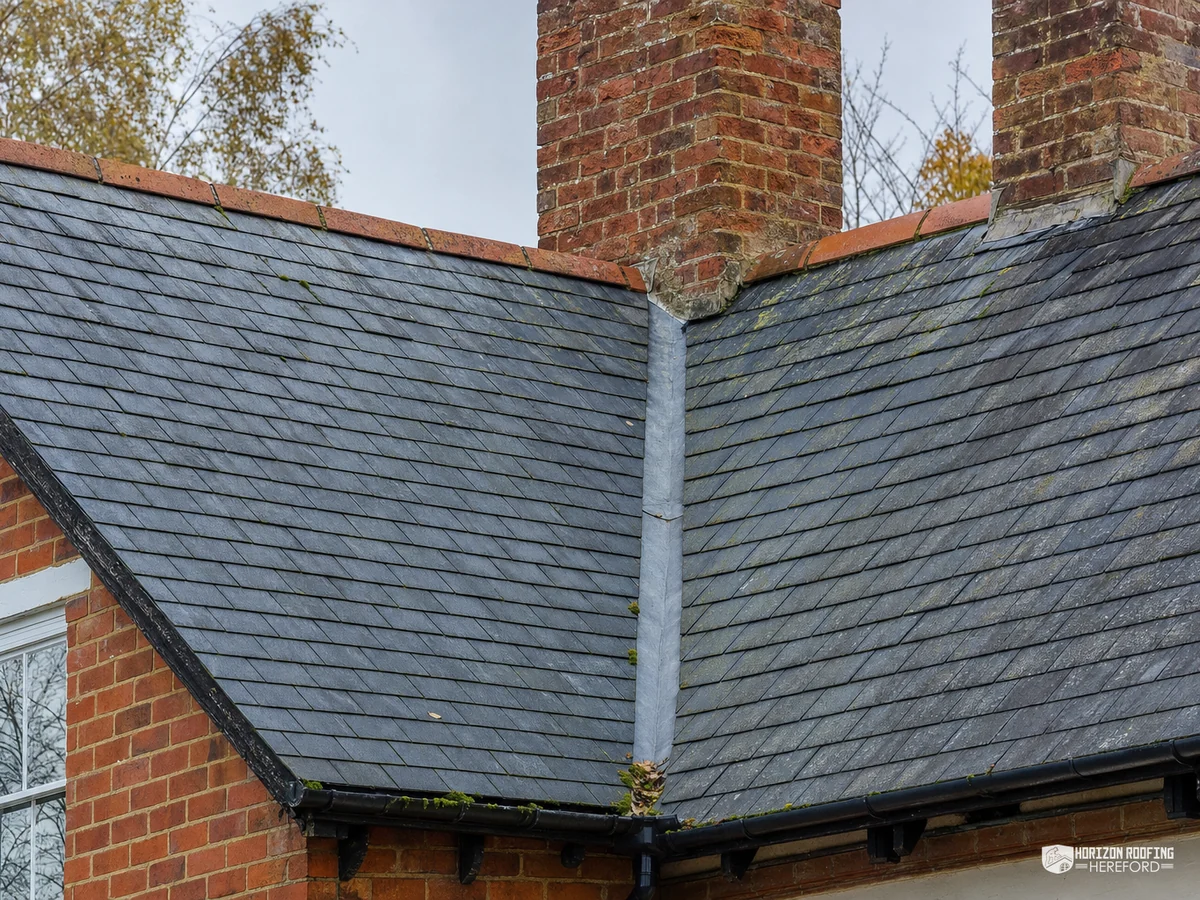
First on the drawing is the slope. The Royal Commission's 1931 inventory of Herefordshire covers Madley parish, and for monuments 4 to 24 it records stone slates or modern slates as the coverings of the roofs. Those are two coverings with different habits, and a roof patched over the years can carry both. The first job at the ladder is to tell them apart. A stone slate is thick and uneven, and a modern slate is thin and regular. We lift a few courses at a sound spot and photograph what is there, so you can see how your roof was made.

The county's stone atlas points to sandstones of the St Maughans Formation, worked around the Golden Valley, as the chief supplier of the county's stone roof tiles, and it records that many permissions to quarry that stone are still active near the county's western edge. The same atlas says that Downton Castle Sandstone "has been used historically both as a freestone and as a tilestone". SPAB's note on slate and stone roofing describes the double-lapped method, in which the slates overlap in two layers, so a crack in one is covered by the course beneath. The same note mentions "some purple types in Herefordshire".

Sorting is where a repair is won or lost. A slate that has slipped may have lost its fixing, and a sound one can go back. Reusing sound stock keeps the look of the roof and keeps the cost to what the survey finds. Where new stock is needed, SPAB's rule is that a claim of scarce supply goes back to the quarries to be tested, and that is the first call we make. On lifespan, SPAB says a well-slated roof is "likely to be more than 100 years", and HomeBuilding gives Welsh slate "100+ years" and reclaimed Welsh slate "50-80 years". For stone tiles we judge pitch and remaining life from the roof in front of us.

A full re-cover brings the weight test into play. The Planning Portal sets the line at a covering that adds 15 per cent or more to the roof, and a covering past that line needs approval, with the rafters checked first. Our slate roofing page covers natural slate and stone in more depth.

Two coverings, two ways of reading them

Stone slate
Thick and uneven; sorted and refixed where sound
Modern slate
Thin and regular; replaced slate for slate
Double lapping
Two layers of overlap, so one crack is covered
Matching
Supply asked of the quarry before any change
Weight
A heavier covering needs a structural check

A sound slate is sorted and refixed, and a failed one is replaced with the nearest match we can find.

Fig. 2 The slopes, drawn close

Callout 2 of 3

Why sealant is not the repair for split lead

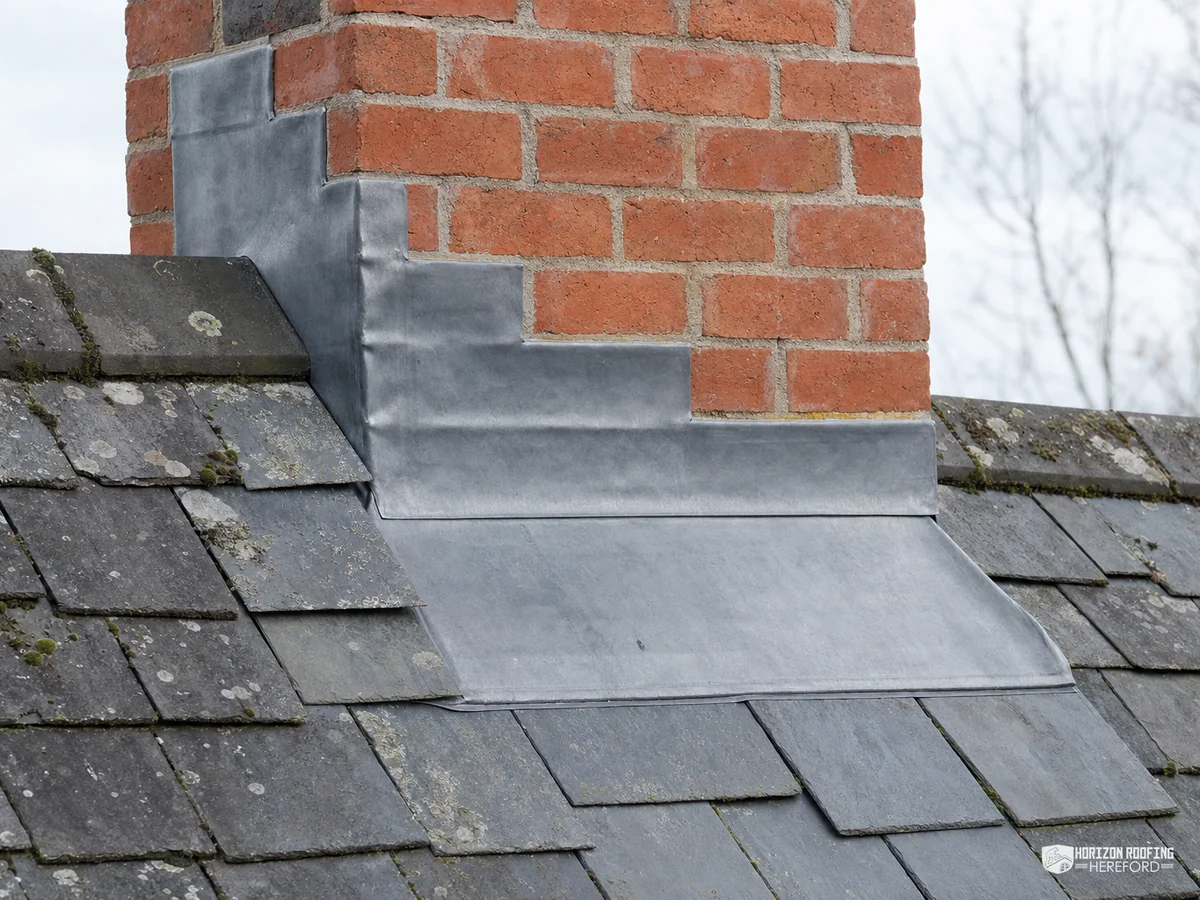
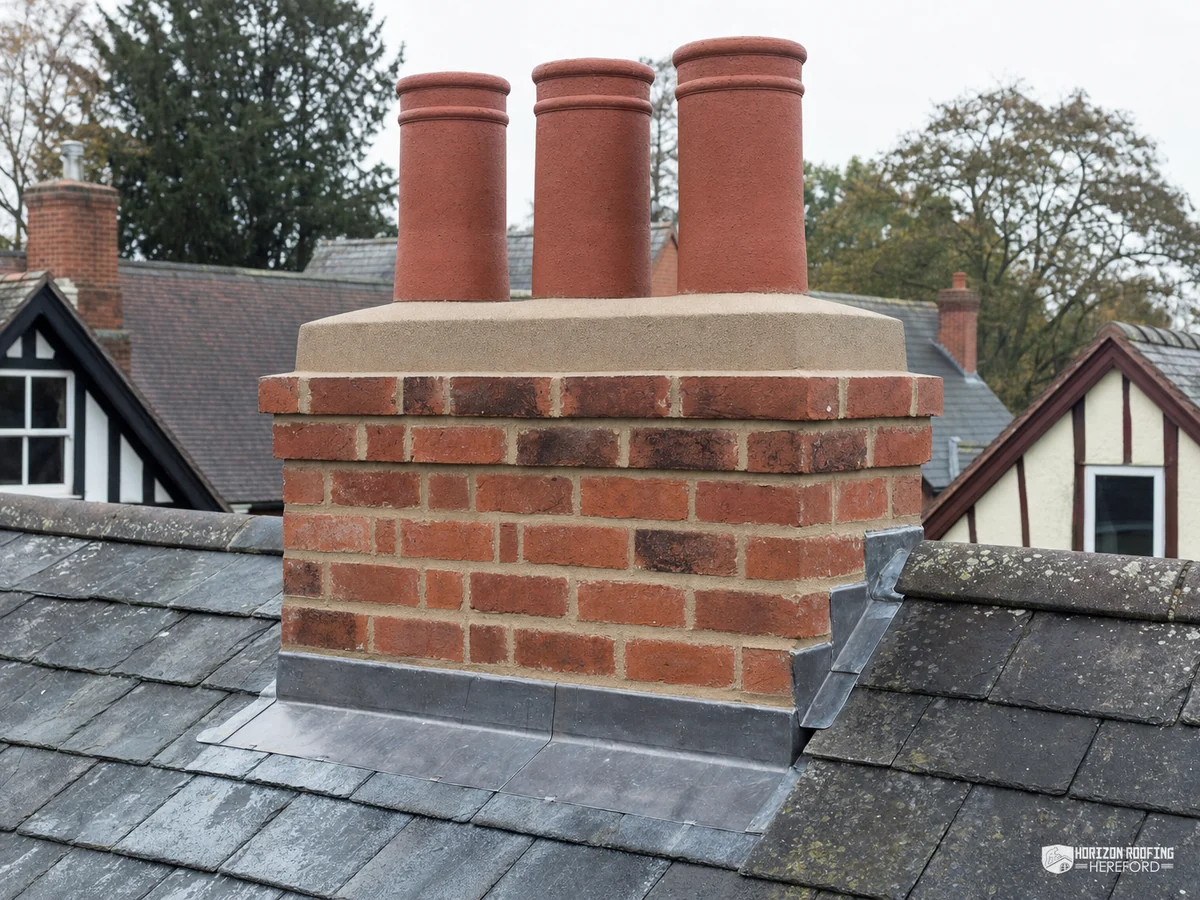
The second callout is the lead. Wherever a slope meets a wall or a stack, a strip of lead keeps the joint closed. An abutment, the place where a slope runs up against a rising wall, takes a flashing tucked into the joint and lapped over the slates below, with soakers, small lead pieces, under each course at the side. Royston Lead's cast lead table sets Code 3 aside as "Recommended for lead soakers only" and lists Codes 4, 5 and 6 for flashings. We match the thickness to the use, and we dress the lead so that it can move with the heat of the day without tearing.

Lead fails in recognisable ways. It splits along a fold where it has worked back and forth, it lifts at the top edge where the fixing has pulled, and it cracks where it was bent too tightly in the first place. Sealant smeared over a split closes the view and not the gap, and it fails again where the lead moves. So we rake out the joint, dress the lead back or replace the length, and photograph both the fault and the finished dressing. MyJobQuote says correctly installed lead flashing "can last for over 80 years", which is a sound reason to repair lead that is otherwise in order instead of stripping it.

On a stone or slate roof the lead has to sit properly on an uneven surface. We look for lead that has been laid too short at the lower edge, lead trapped under a slate it should lie over, and gaps left behind a stack where water can pool. HomeBuilding's figure of "60-100 years" belongs to a lead flat roof, not to a flashing, so we quote it only for that.

Our lead roofing page goes further into lead for valleys, flashings and soakers. The written total names each length of lead that is to be renewed, and the survey photographs show the whole run, not just the corner that leaked.

Sealant or lead?

Can sealant on a split lead flashing be left as the repair?

Sealant hides a split without closing it, and it breaks again where the lead moves. We rake out the joint and rework the dressing, or replace the length if the lead has failed along it, and we photograph the fault and the finished repair.

Fig. 3 Leadwork, drawn close

Callout 3 of 3

Madley's church, its listed neighbours and the faculty route

Our third callout is the wall, beside which stand the church and its listed neighbours. The Church of the Nativity of the Blessed Virgin Mary is listed Grade I (list entry 1348768, first listed 26 January 1962). As a Church of England building, it sends works through the faculty system, a consent procedure run under the Church's own jurisdiction, and not through listed building consent from the council. Nearby, the Red Lion is Grade II (list entry 1348751, first listed 21 February 1986), Church Farmhouse and Attached Ciderhouse is Grade II (list entry 1099814, first listed 29 September 1952) and Church House is Grade II (list entry 1099772). Those entries sit on Historic England's list beside others near the middle of Madley.

A listed house or inn follows a different route from the church. Section 7 of the Planning (Listed Buildings and Conservation Areas) Act 1990 requires consent for work touching the character of a listed building, and the roof is included. Permitted development rights stay with the building, but consent is needed as well. Before any covering is lifted we agree the method, the materials and the lead detailing with the council, so the work matches what was approved. Our listed and heritage roofing page describes how we work on these buildings.

Madley's address may sit in a conservation area, or it may not. Check Herefordshire Council's own conservation area list to find your street, then ask Herefordshire Council whether an Article 4 direction applies. Putting in a roof window means a fresh opening and a set of rules to go with it, and our planning guide for roof windows sets them out.

Building control for a Madley address is Herefordshire Council Building Control, on 01432 261938, and a registered building control approver is the alternative. Should the scaffold need a stretch of highway, we arrange the licence with our scaffolder. Herefordshire Council runs scaffold licensing, and it asks for at least 10 days' notice, so the licence date is set when the survey is done and not left to the week of the work.

Consent words around the Madley church

Faculty
The Church of England's own consent for works to its churches
List entry
The official record that describes a listed building and its grade
Grade I
The grade given to the Church of the Nativity of the Blessed Virgin Mary
Article 4 direction
A local order removing named permitted development rights

Madley roofs: slate, lead and the listed cluster

Can I keep a stone slate roof in Madley if some slates have failed?

Yes, where the stone is sound. The survey separates stone slates that are sound from those that have split or lost their fixing, and the sound ones are sorted and relaid, with matched stock for the gaps. Replacing a whole slope is for the case where too much has failed to patch. The report pairs each decision with a photograph, so the reasons are on paper before you agree to anything.

Who consents to roof repairs at the Madley parish church?

The building is Anglican, and the Church of England sends repairs through the faculty system and not through listed building consent from the council. A faculty is decided under the Church's own jurisdiction. We pass our survey findings, the photographs and a written method to whoever prepares the faculty papers, and the work follows the faculty once it has been granted.

What price do national guides give for lead flashing work on a Madley house?

MyJobQuote puts a patch repair to chimney lead flashing at around £200 and a full replacement at around £570, and full leadwork anywhere from £350 to £920 depending largely on whether scaffolding is needed. National averages like these are not our quotes. A Madley job depends on the length of lead, the height and the access, and it reaches you as one written total.

Is Madley in a conservation area?

Search Herefordshire Council's own conservation area list for your address, since the council holds the boundaries. Herefordshire has 64 conservation areas, and a house inside one can have different planning rules for some alterations. Check whether an Article 4 direction applies with Herefordshire Council too. Like-for-like repairs raise different points from a new opening in the roof, and each is dealt with on its merits.

Does a Madley re-roof need Building Regulations approval?

Madley falls under the English rules. The Planning Portal's test looks at two shares: the building envelope, under 25 per cent affected, and the roof, under 50 per cent affected. When both are met, an application is not normally required. Past either share, building control is involved. Energy rules follow the roof as well, with AD L 2021 Table 4.3 giving 0.35 and 0.16 until AD L 2026 Table 3.3 takes over on 24 March 2027.

Can a Madley roof window go into a stone or slate slope?

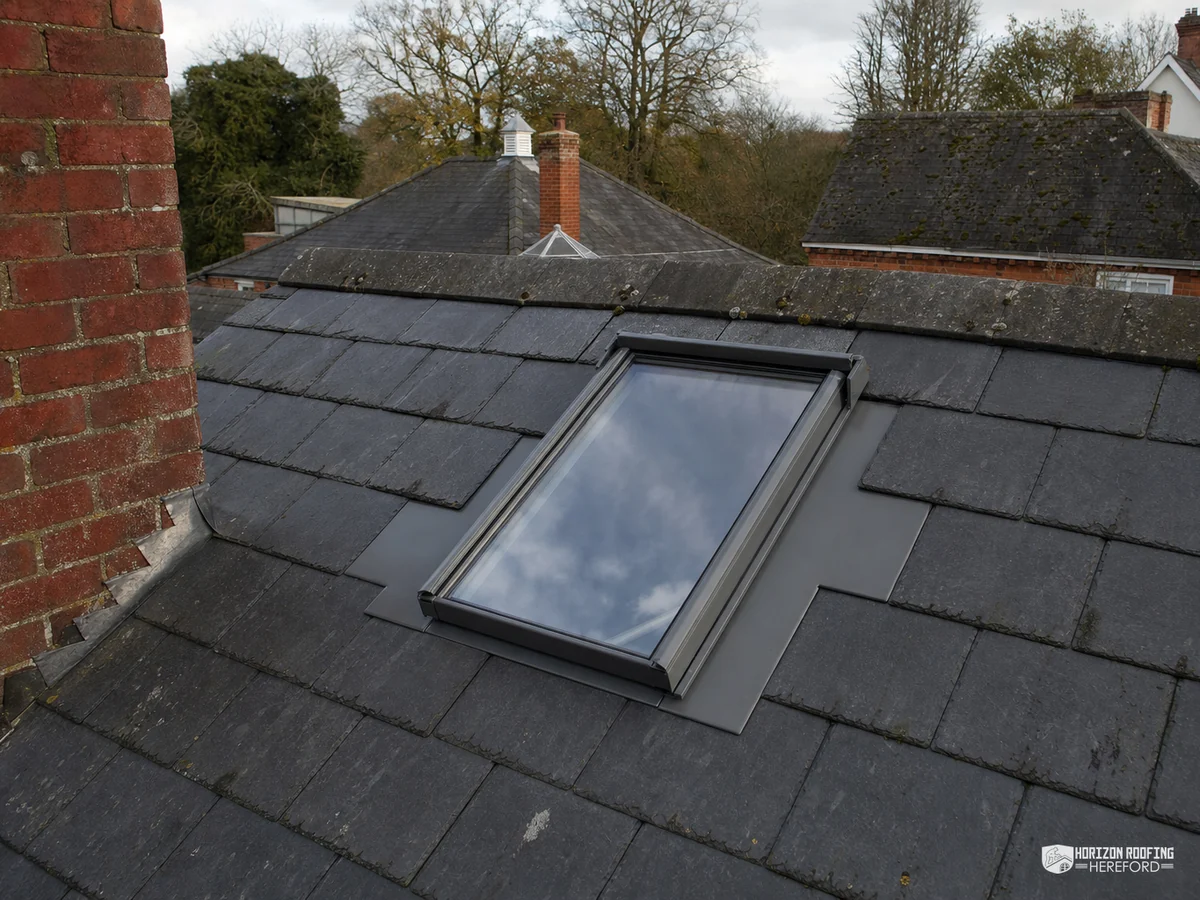
Yes, with a flashing kit made for that covering and the rafters trimmed to frame the hole. Energy rules in AD L 2021 Table 4.2 set the glazing figure at 1.4, or WER Band B. A separate figure of 2.2 covers rooflights. Whether planning permission is needed depends on the position and on any listing or designation, which the planning guide sets out. A like-for-like swap into an existing opening is the lighter job.

Arrange a slope-and-lead survey in Madley

Share a picture of the slate, the lead or the church side of the roof, and we will book your survey.

10-year workmanship guarantee, in writing