
Callout 1 of 3
Listed roofs and a thatched neighbour
The first question a Dymock survey settles is whether your house is on Historic England's list. High House is Grade II (list entry 1078515, first listed 17 March 1987), and so is Stoneberrow Place (list entry 1078517, first listed 17 March 1987). Stoneberrow House is Grade II as well (list entry 1302984). Section 7 of the Planning (Listed Buildings and Conservation Areas) Act 1990 bites on work that changes "its character as a building of special architectural or historic interest". A listed house keeps its permitted development rights, and consent is a further step.
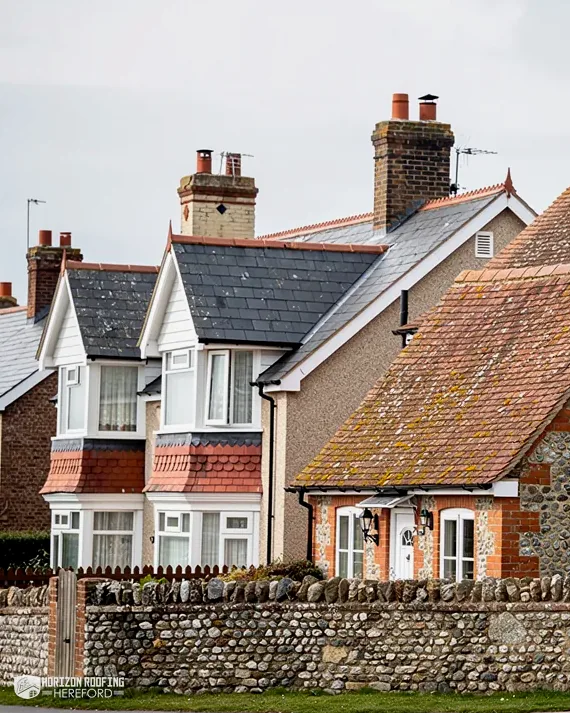
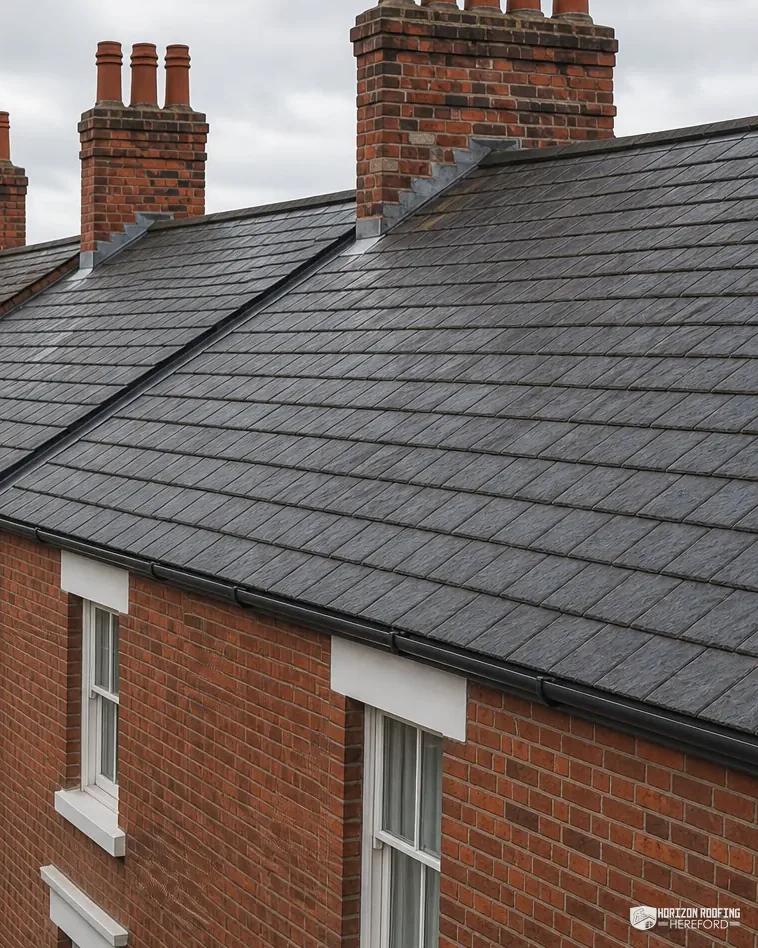
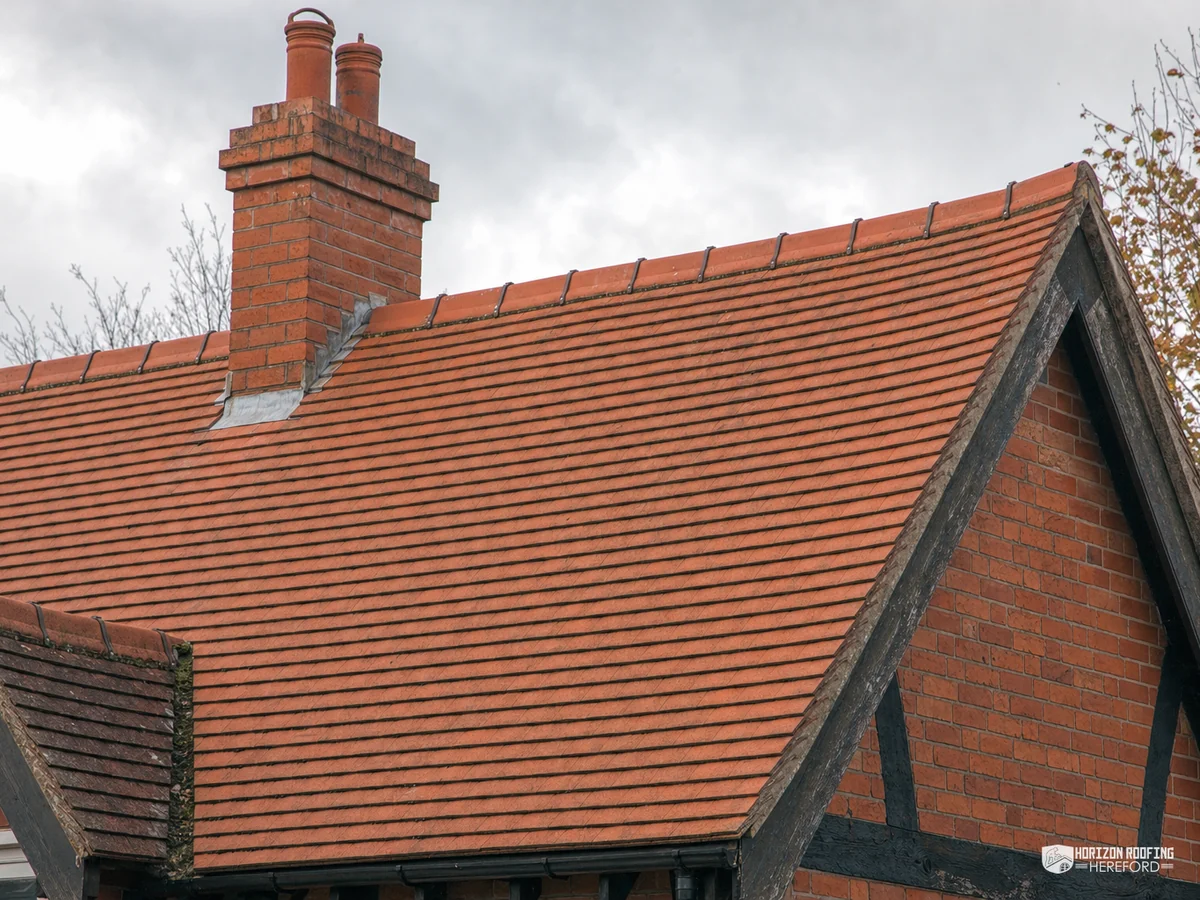
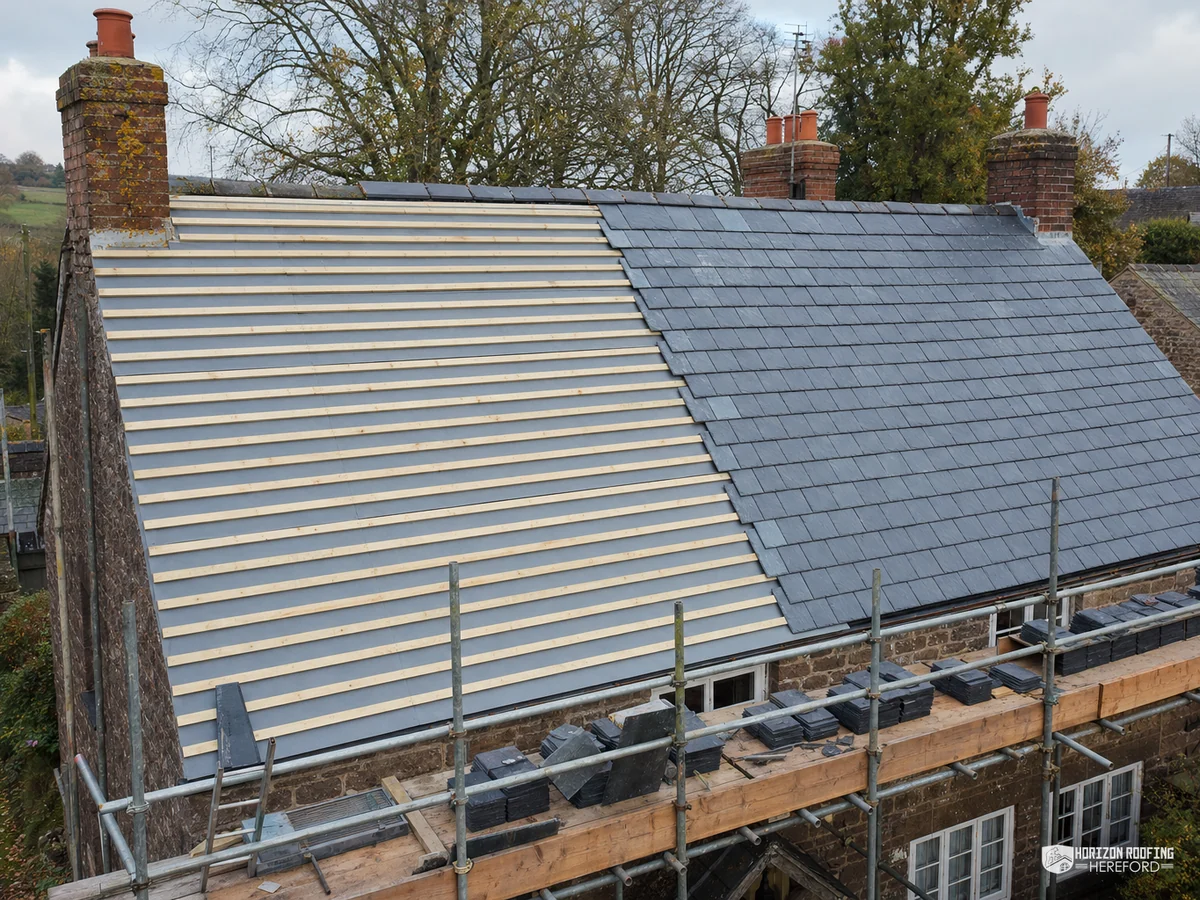
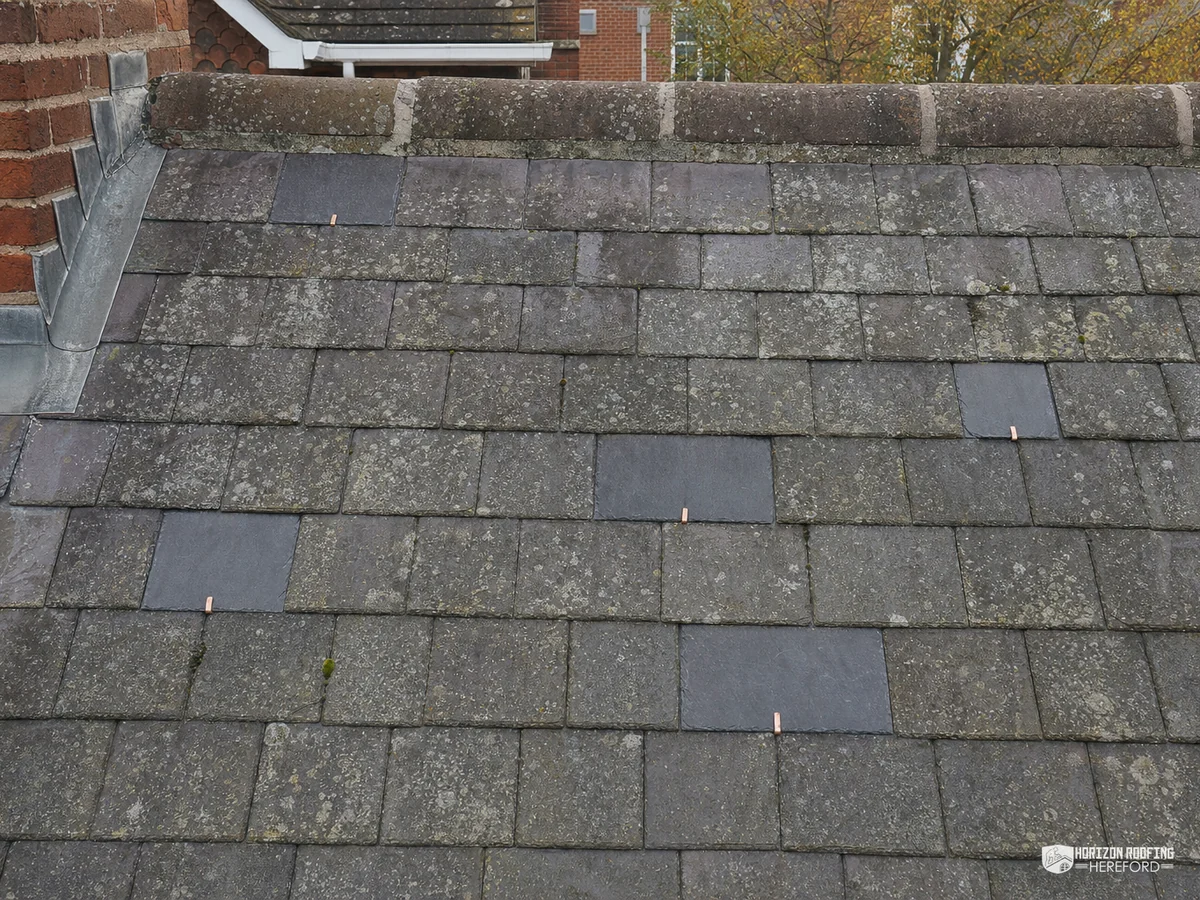
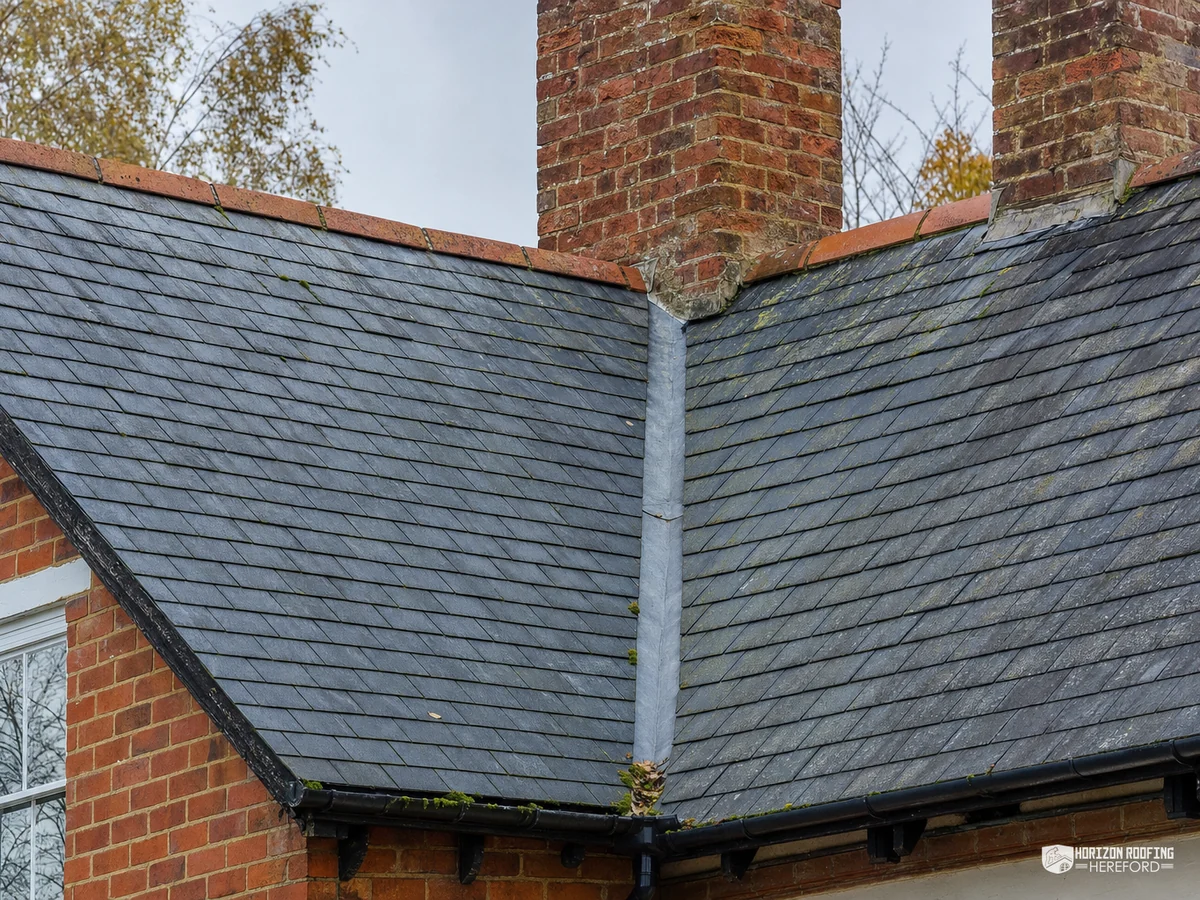
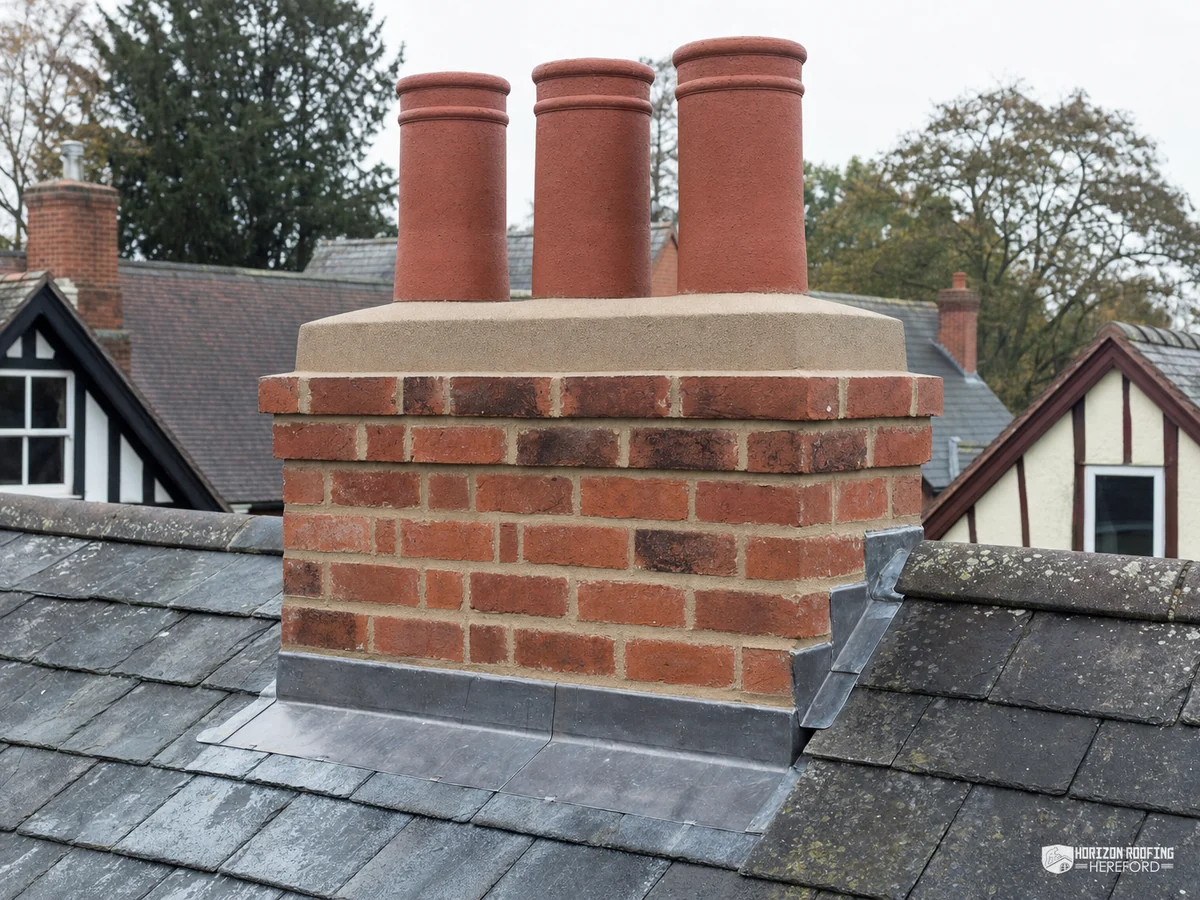
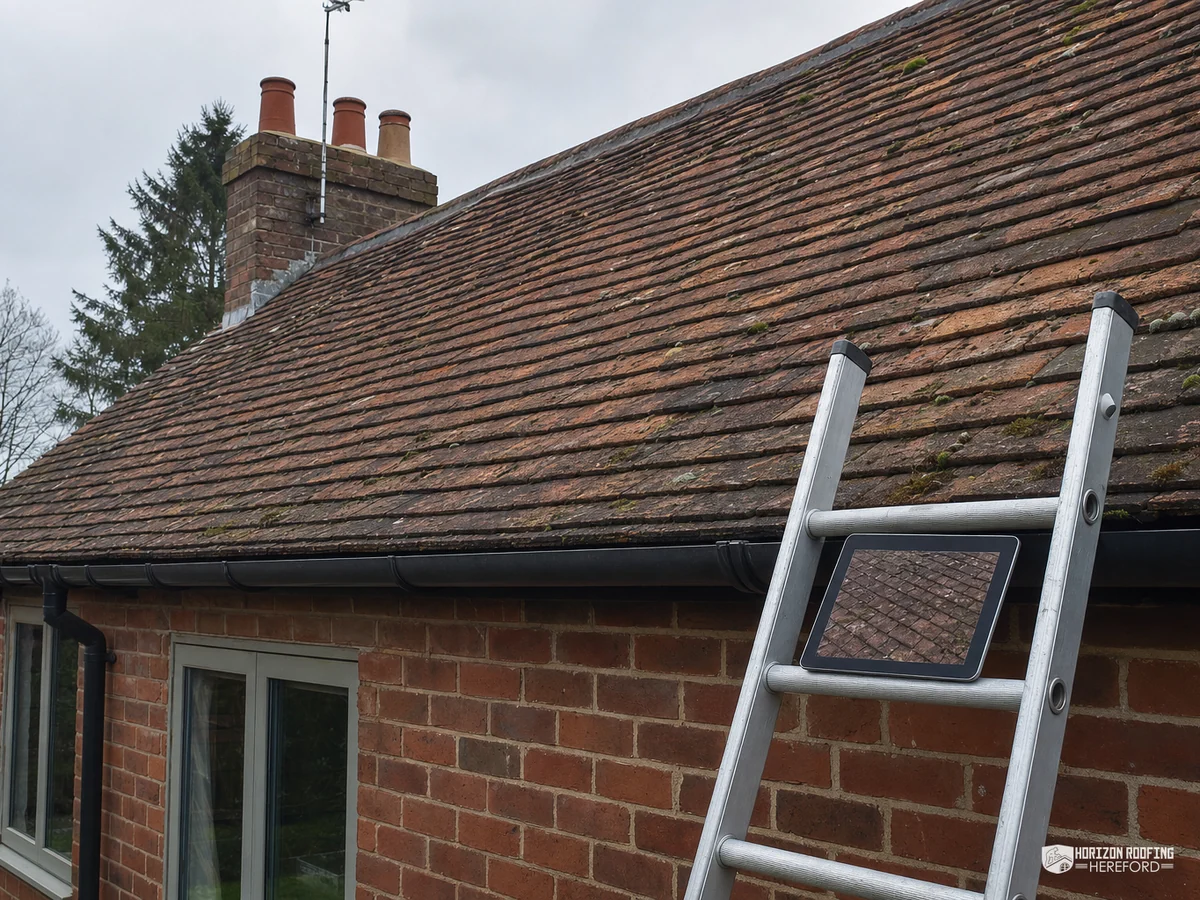
On a listed roof, the covering we find is the covering we try to keep. Slates or tiles that are sound but badly fixed can be lifted, graded and set back on fresh battens, and any replacements are chosen to sit beside the old ones in size, colour and thickness. HomeBuilding gives Welsh slate "100+ years" and clay tile "60-80 years", so a covering with sound pieces left in it can be worth saving. We photograph what is sound and what is not, and the report says which road we would take. A house can sit on the list without anyone living in it being sure, so we check the address against Historic England's list before the first price is discussed, and again if the plan changes.
Where a listed roof needs more than patching, the council will want to see the plan: the covering, the pitch, the details at ridge, verge and eaves. We prepare photographs and a written description of each, so whoever reads the application has something concrete in front of them.
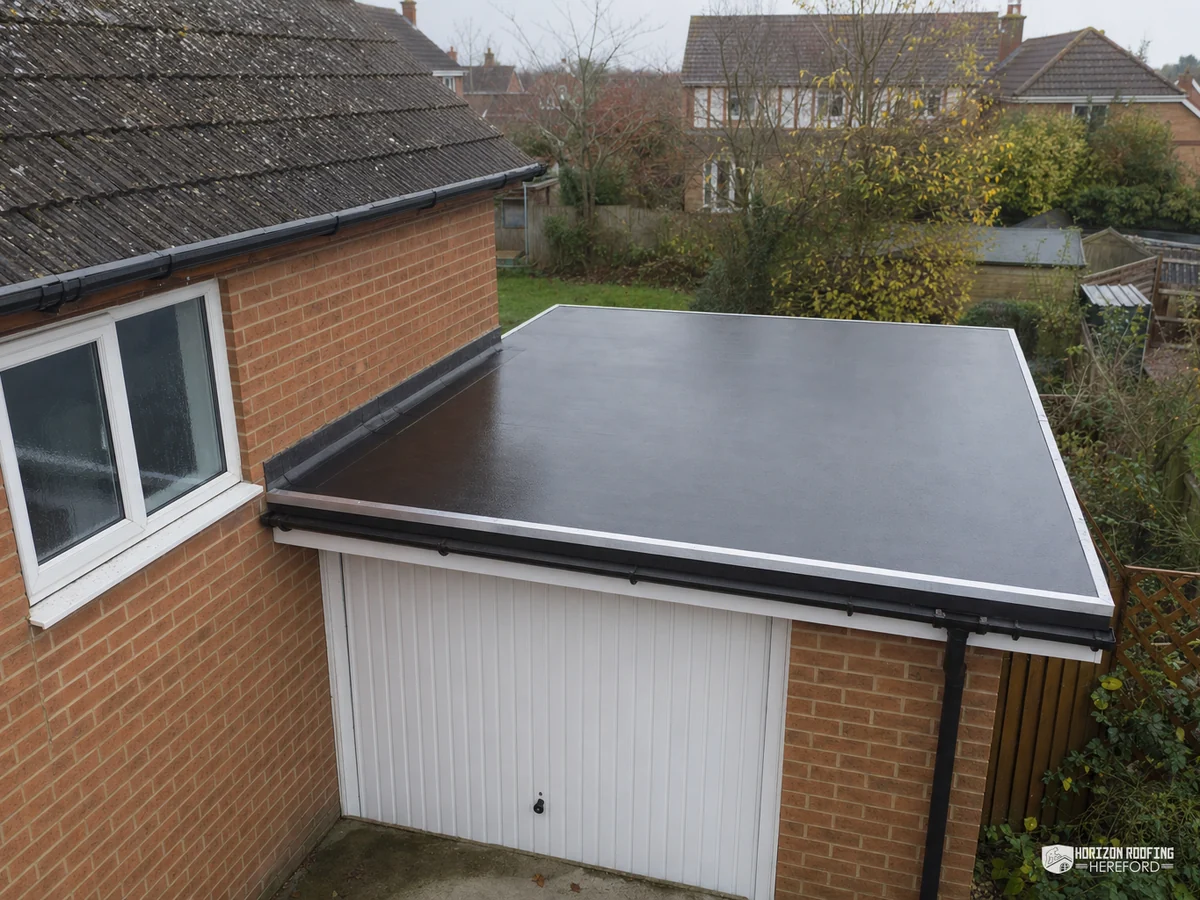
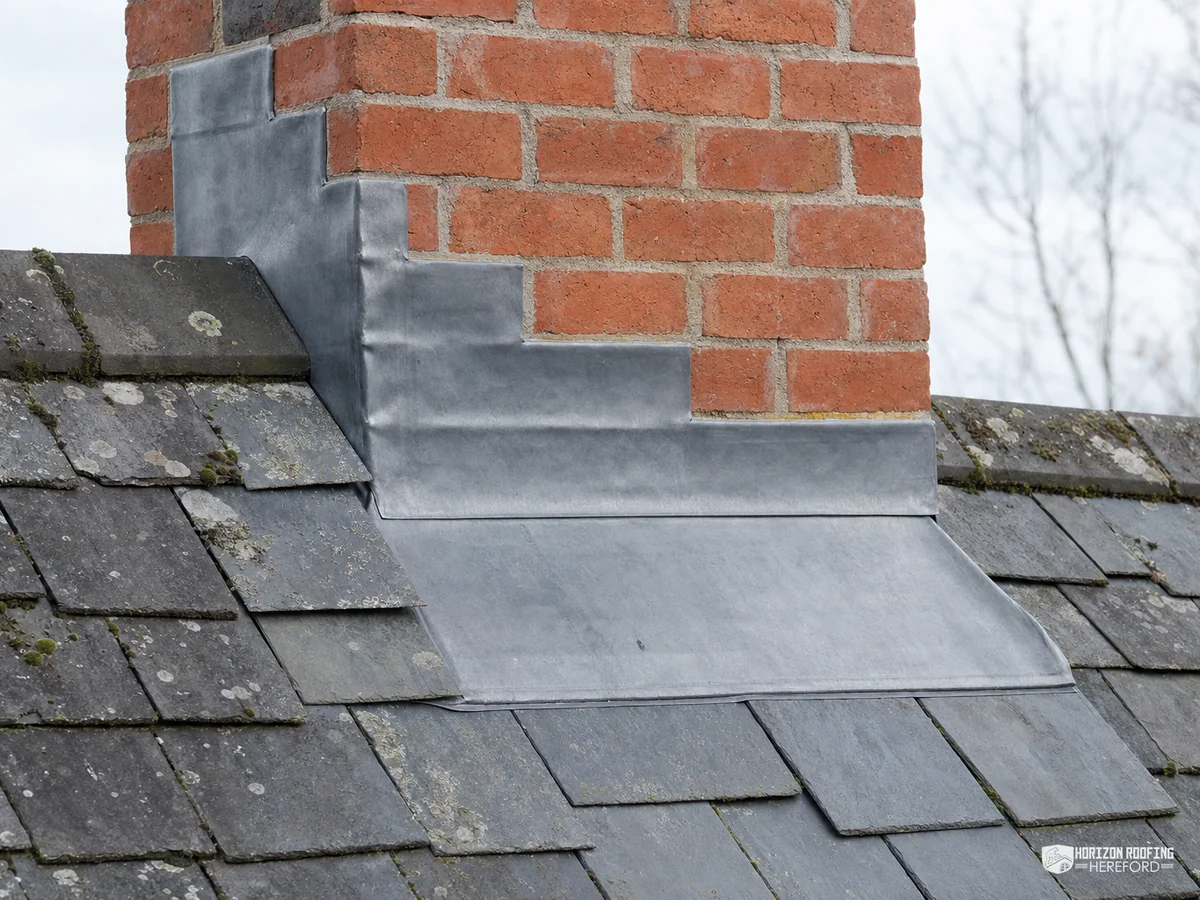
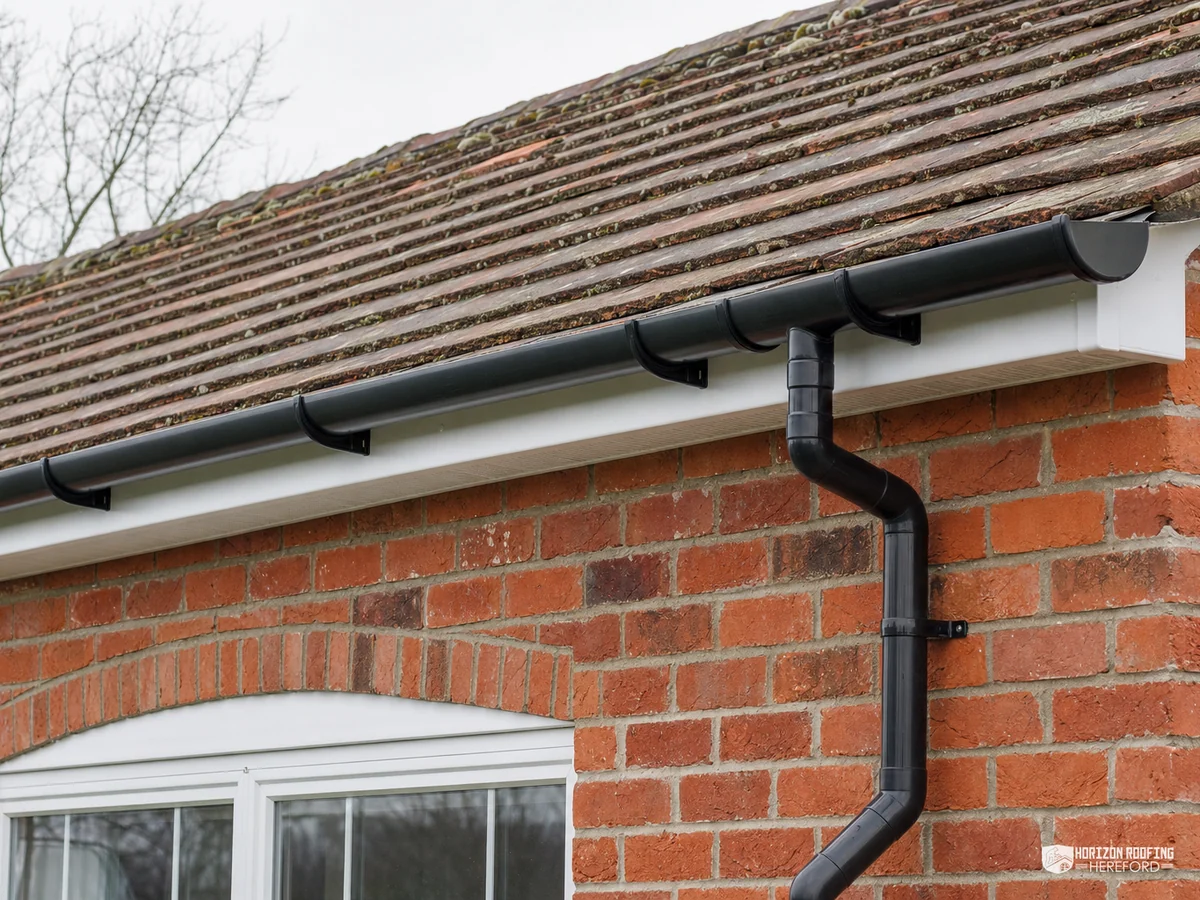
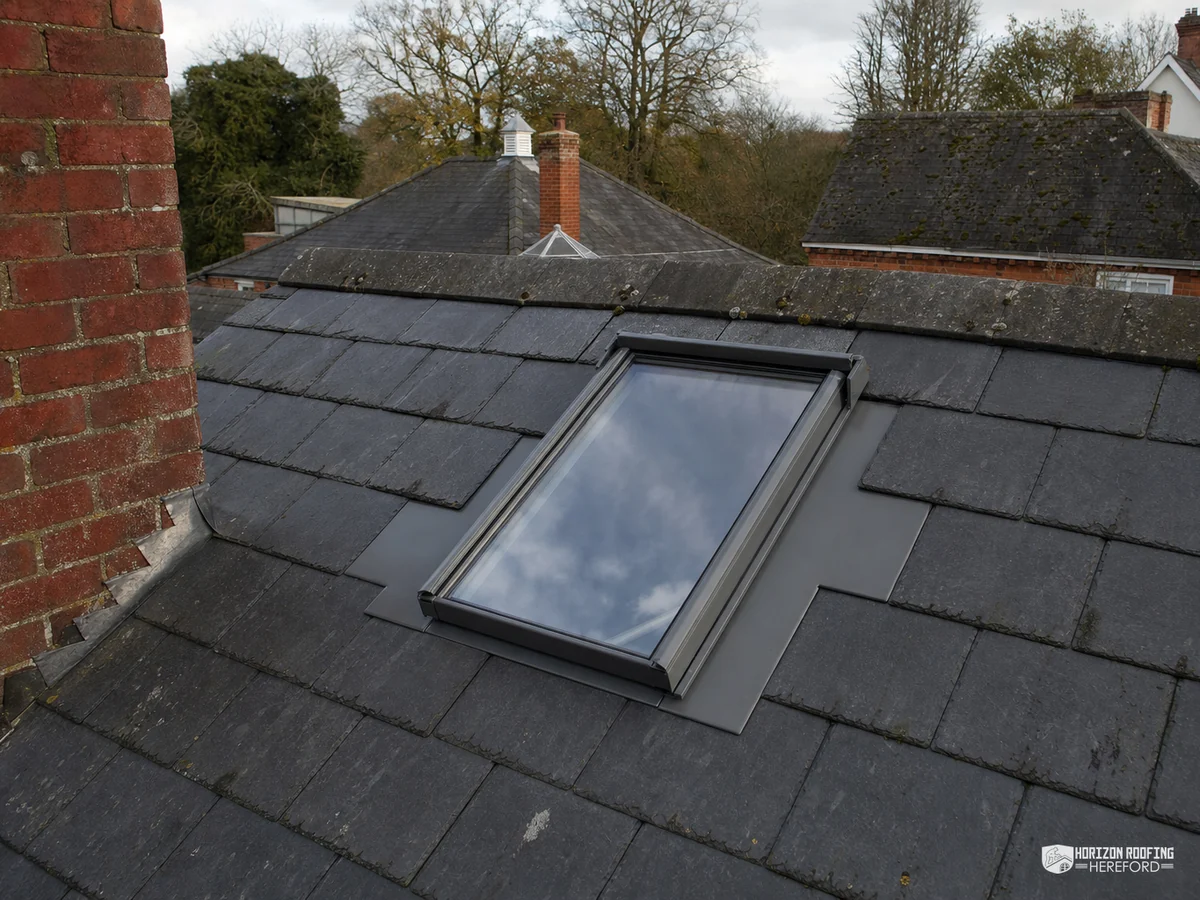
Some Dymock roofs are not slate or tile at all. In its 2010 account the Victoria County History records "a 17th-century cottage with a thatch roof" north-west of the crossroads at Windcross, where the Much Marcle road crosses the road to Leominster. A thatched roof is a job for a specialist thatcher. Beside a thatched house, an outbuilding, an extension or a porch can carry slate, tile or lead, and those are the roofs we survey.
Re-covering a whole house raises England's approval question. The Planning Portal says that no application is normally needed when "Less than 25 per cent of the total 'building envelope'" is affected and "Less than 50 per cent of the roof is affected". Our listed and heritage roofing page describes how we prepare for consent, and our slate roofing page covers stripping and refixing.
Checked on a listed Dymock roof
- Whether the house is on the list
- Which slates or tiles are sound enough to keep
- Fixings and battens beneath the covering
- Size, colour and thickness of any replacement
- Outbuilding roofs beside a thatched house
On a listed roof the aim is to keep what is sound, and the survey shows you what that is.