
01432 610152 Get a quote Call 01432 610152

Roofers in Eastnor

Roof repairs and re-roofs for Eastnor's listed buildings, its conservation area and the homes around them.

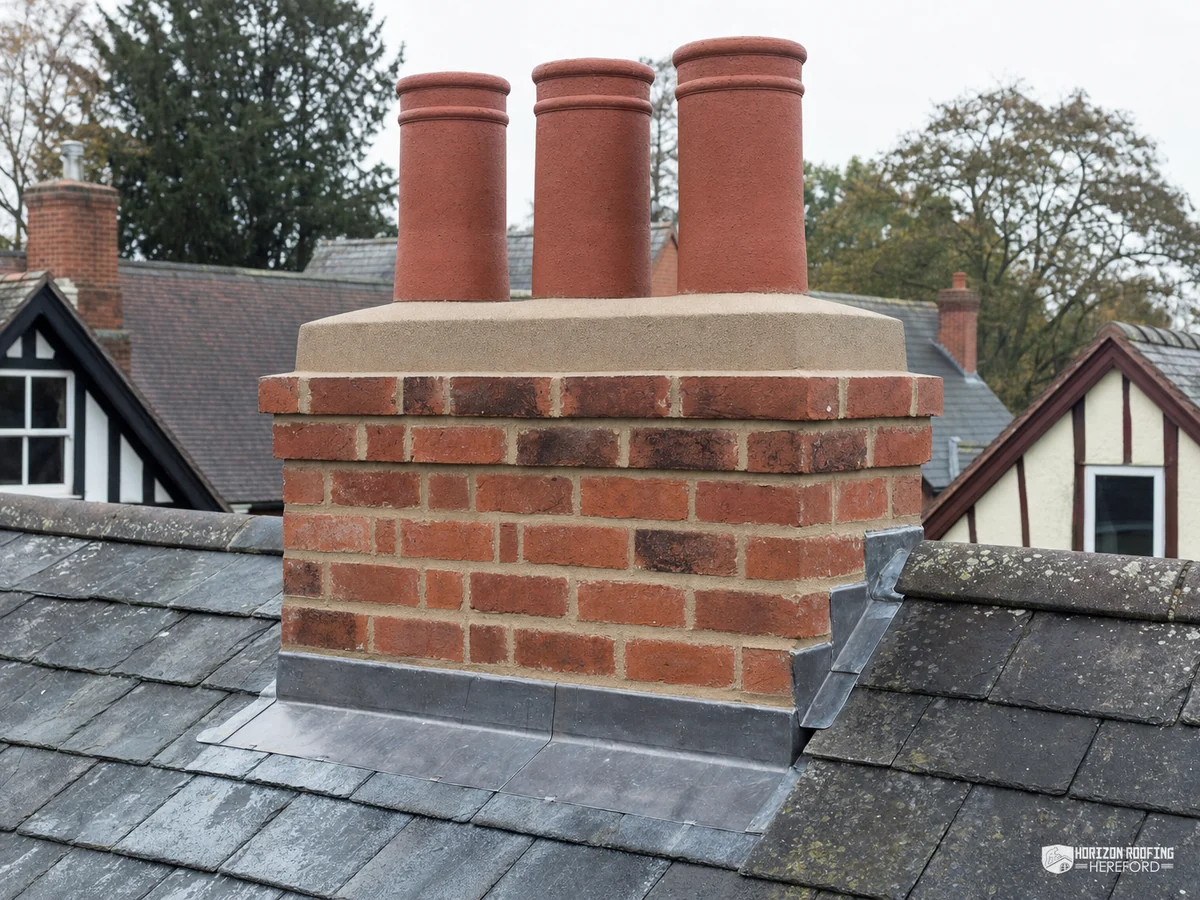
Each Eastnor survey begins with the lead and the stack, and every fault is photographed before a total price is written.

Get a free quoteCall 01432 610152

Eastnor roofs: what the designations change

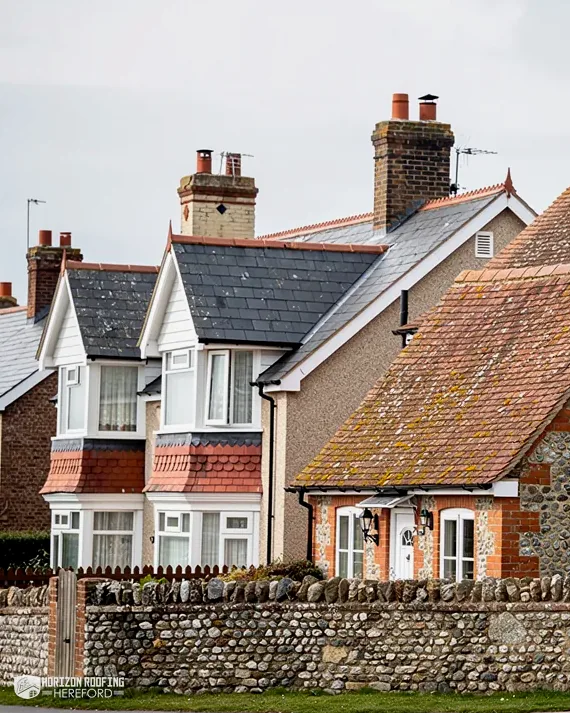
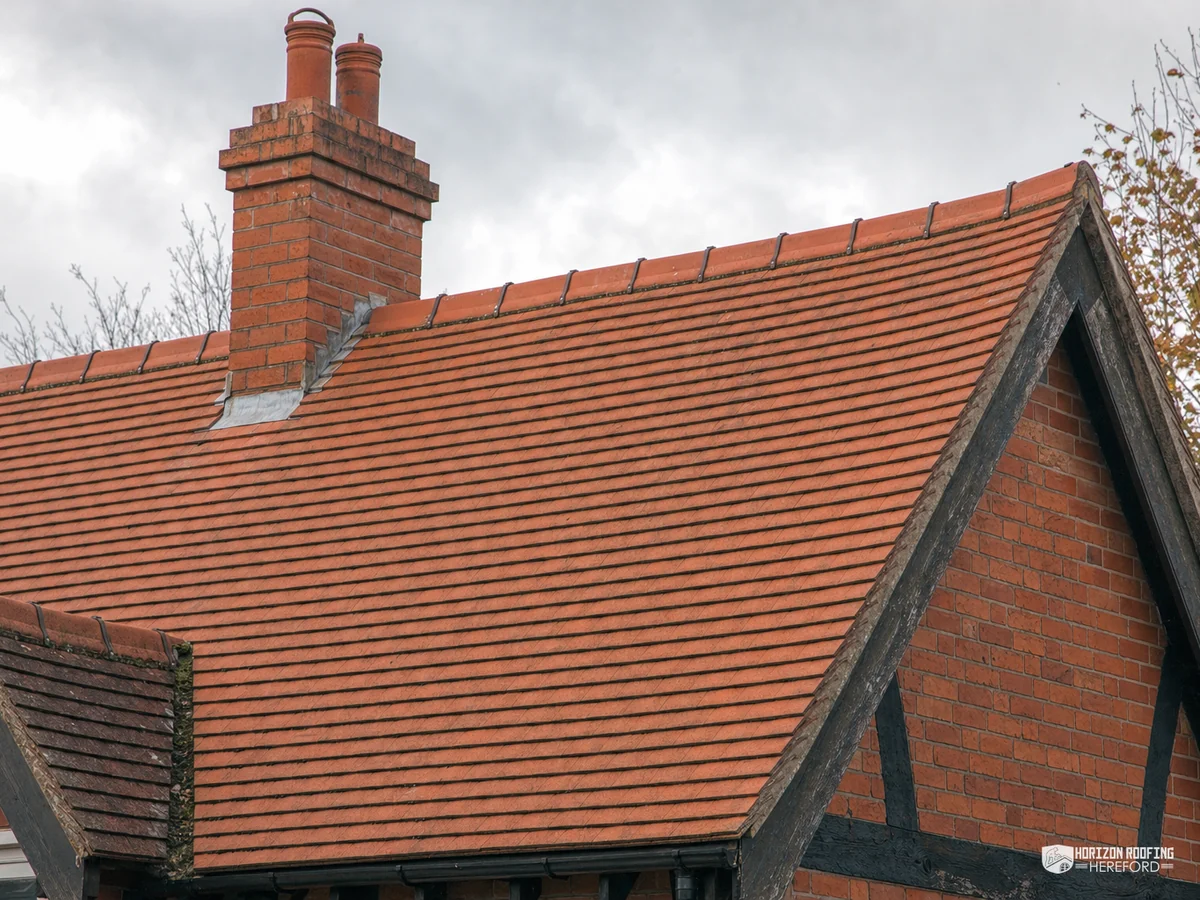
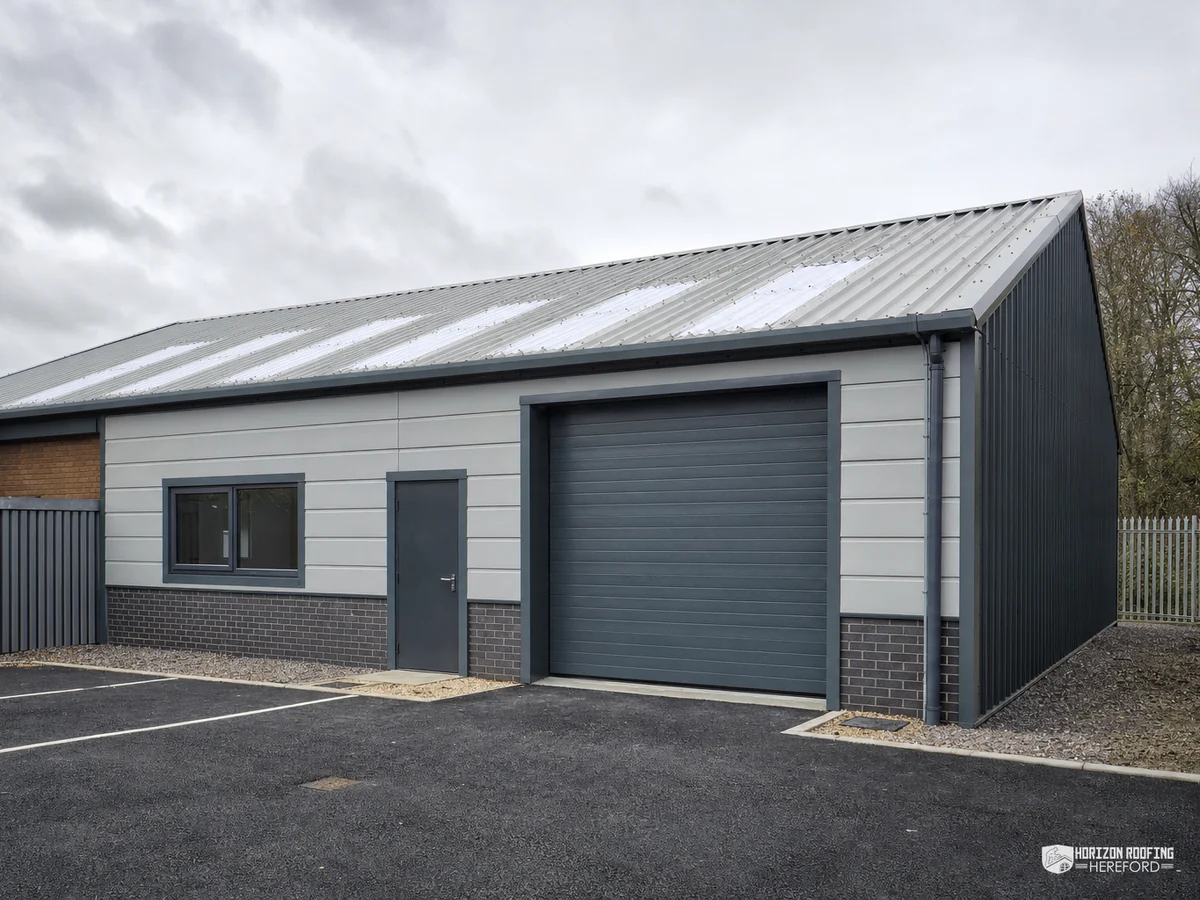
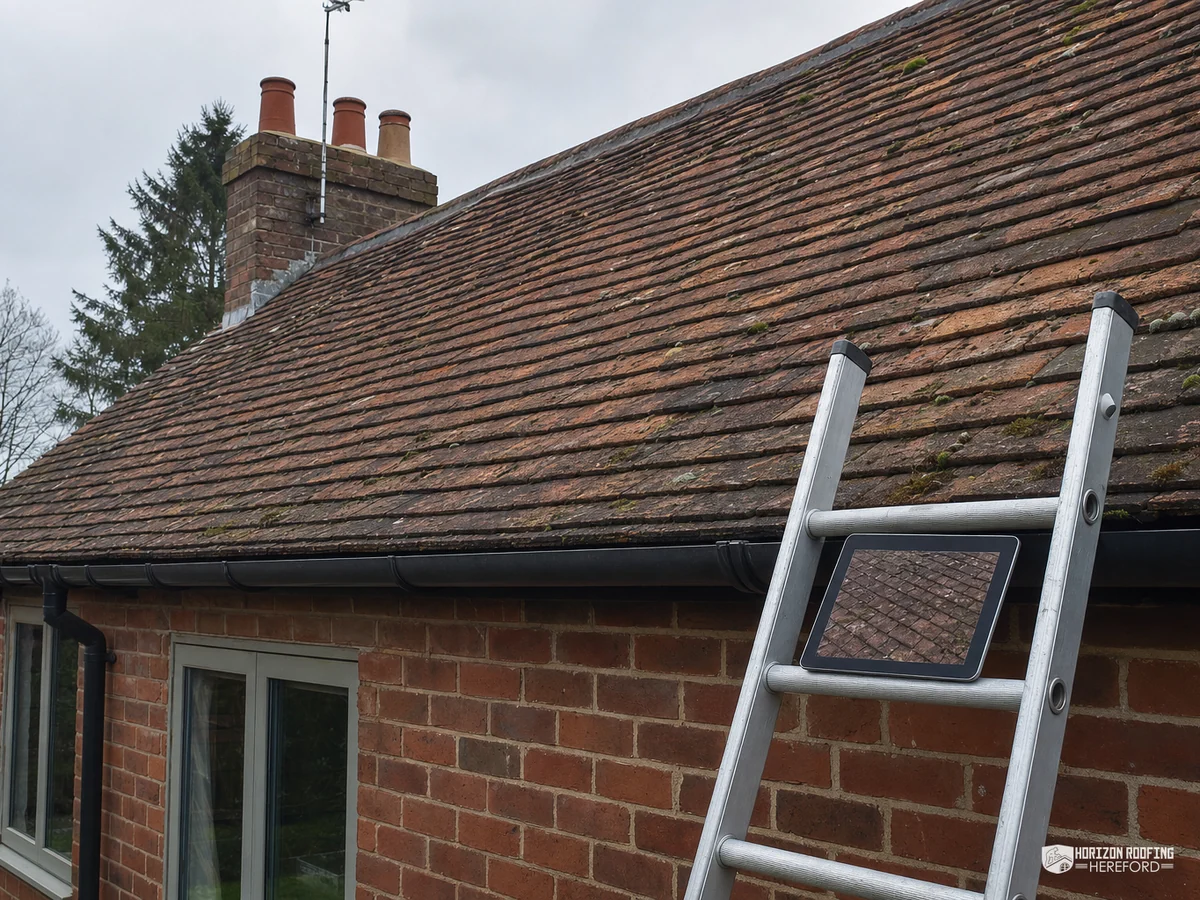
  • Older cottages with weathered clay tile roofs and brick chimneys behind a flint wall
    Two designations at onceEastnor lies in a conservation area and the Malvern Hills National Landscape.
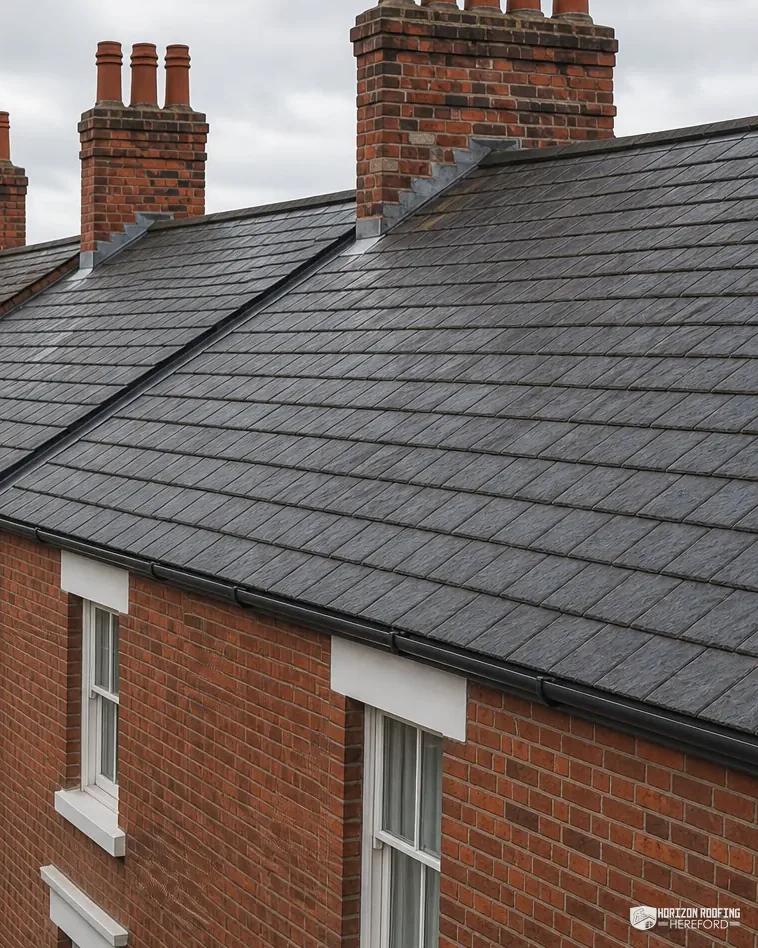
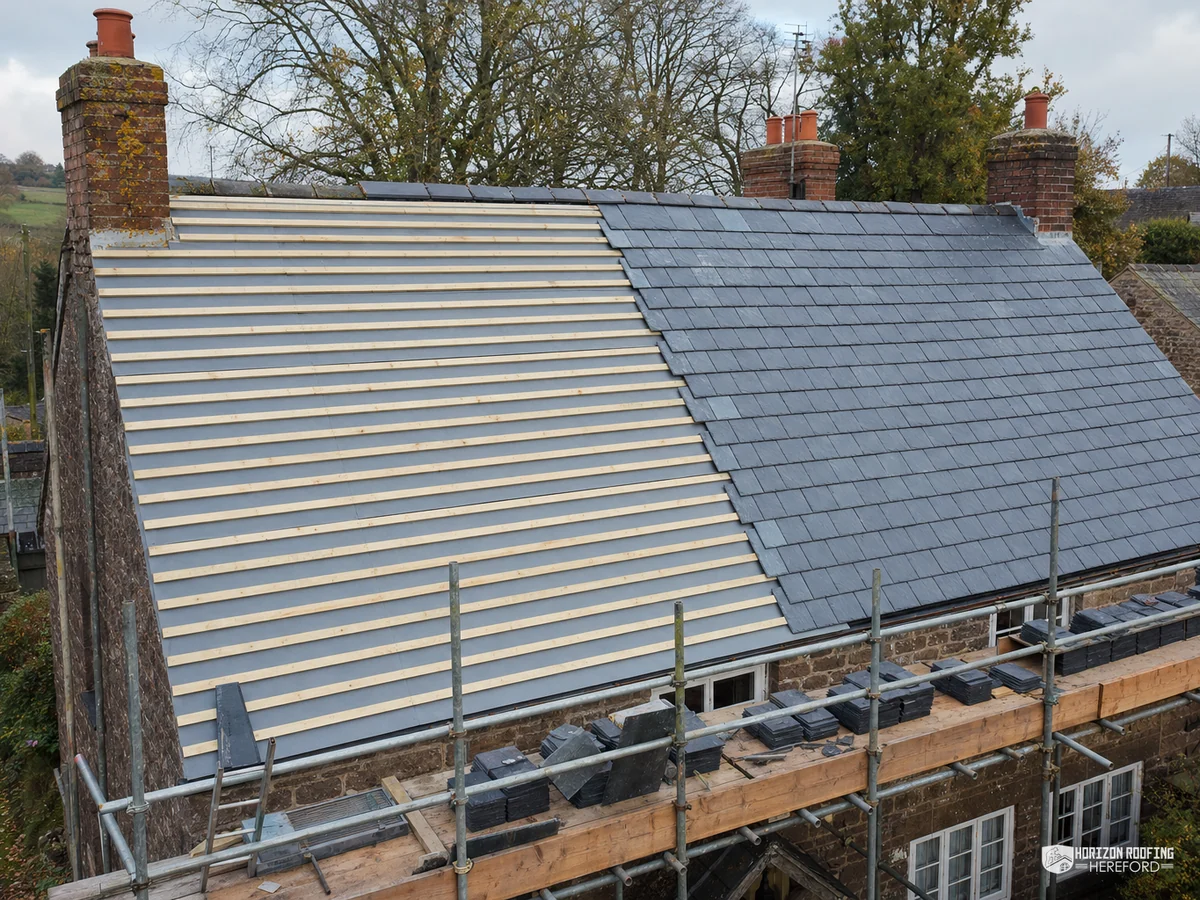
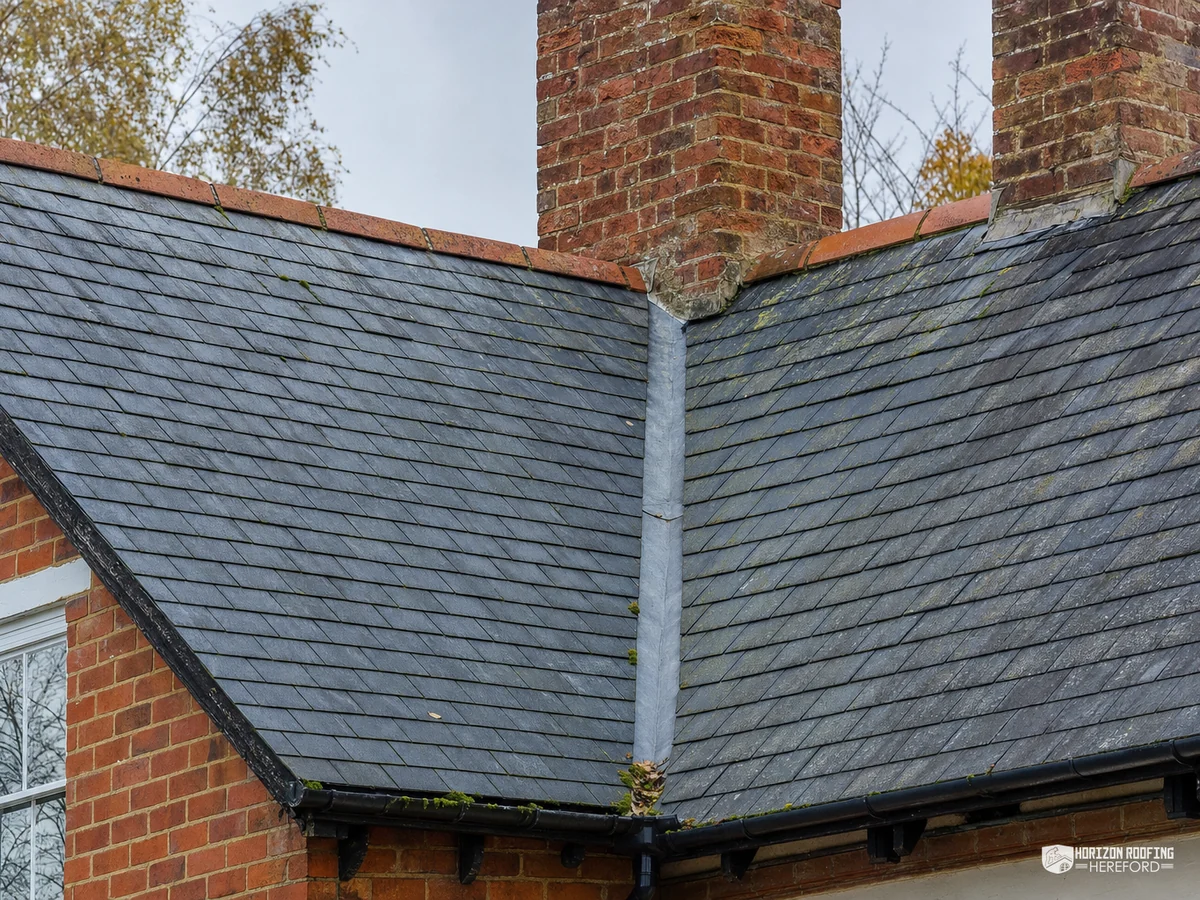
  • Slate roofs and chimney stacks along a red brick Victorian terrace
    Tiled or thatchedThe 1932 inventory recorded tiled or thatched roofs on older Eastnor buildings.
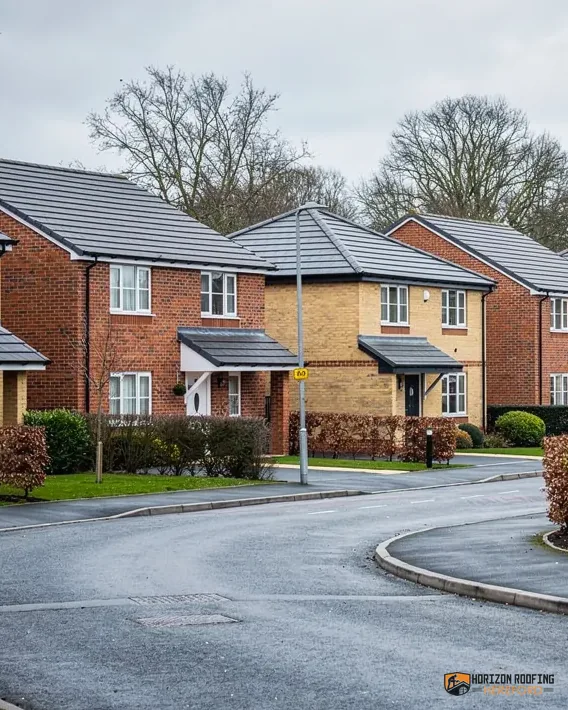
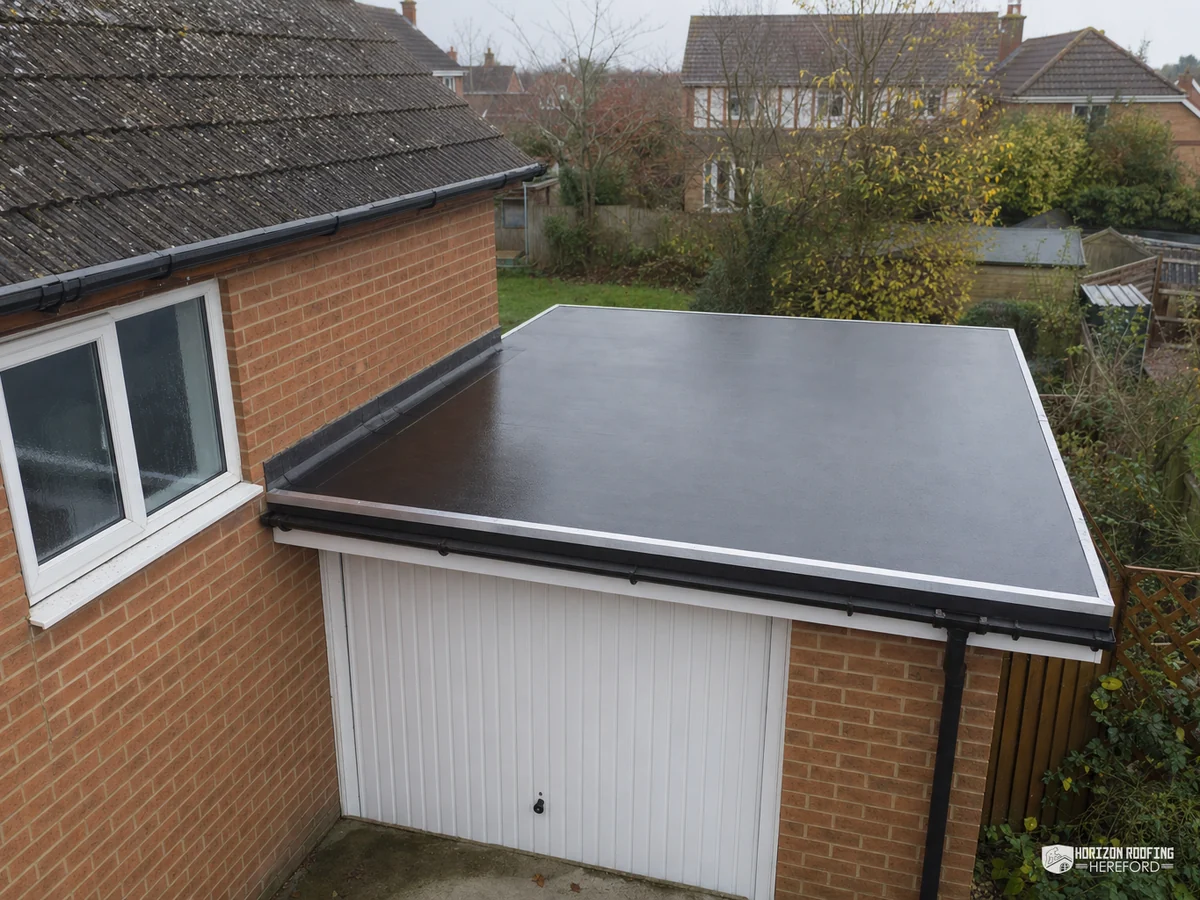
  • Newer homes with grey concrete tile roofs along a curving estate road
    Two Grade I buildingsEastnor Castle and the Church of St John the Baptist are both Grade I.

Eastnor on our area map

Eastnor on a street map, with a dashed circle around the town and the nearest towns we cover. Tiles © Esri; map data © Esri, HERE, Garmin, OpenStreetMap contributors.

Eastnor roof, lead to frame

Lead, landscape and listed frames: three checks on an Eastnor roof

We start with the lead that seals each junction, move across the slope to the planning rules this landscape brings, and close on the frames, thatch and listings of Eastnor's older buildings.

A drawn cut-away section through a Herefordshire border house: the front of the main roof is cut open to show the rafters, underlay, battens and slates, beside a black-and-white timber-framed gable. Numbered, from the ridge down: 1 Lead; 2 Slope; 3 Frames and listings.

Fig. 1 An Eastnor house in section: lead flashing, roof slope and timber frame, numbered.

Callout 1 of 3

Lead flashings on an Eastnor roof

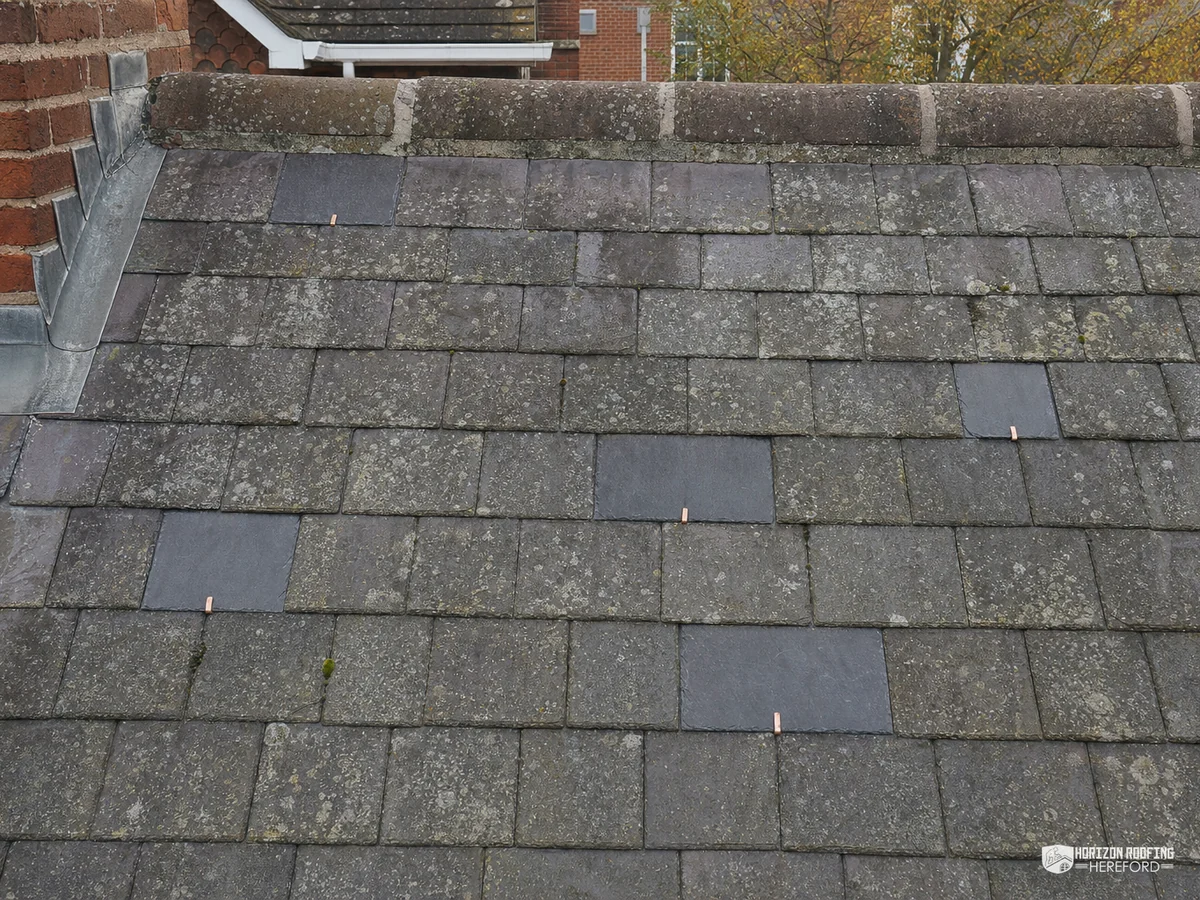
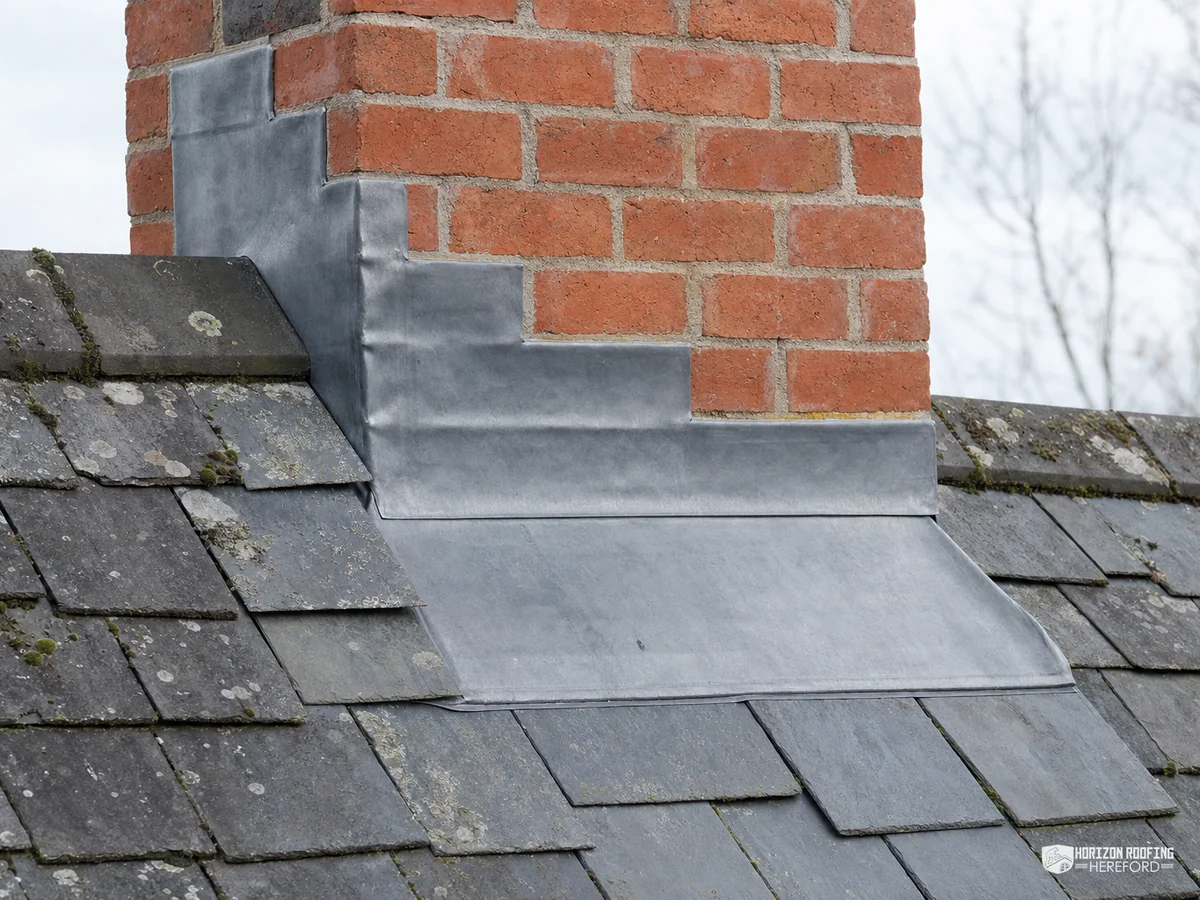
Lead is the metal that closes every awkward joint on a roof: round a chimney, along a wall, down a valley, over a bay. It is soft enough to be dressed into shape and strong enough to stay there, which is why it is still the first choice for those joints on old buildings. The weak points are the edges, where a strip has lifted from the mortar joint it was wedged into, and the folds, where a crease has worked until the metal splits. We look for both with a torch and a camera, and the photographs go to you. A lifted edge shows as a dark line against the mortar, and a creased fold shows as a hairline that the camera picks up better than the eye.

Thickness is specified by code. In Royston Lead's brochure, Code 3 is "Recommended for lead soakers only". Code 4 is the lightest sheet listed for pitched valley gutters, Code 5 is the first listed for parapets and box gutters, and Codes 7 and 8 are listed for valleys, parapets and dormers but not for flashings. The code follows the job, because a flashing cut from sheet that is too thin tears at its folds. Lead roofs sit outside BS 6229, which covers membranes only, and AD C cites BS 6915 for lead.

Well-fitted lead earns its keep over decades. MyJobQuote says correctly installed lead flashing "can last for over 80 years", and HomeBuilding puts a lead flat roof at "60-100 years". VMZinc, the maker, says a correctly designed and installed zinc roof "can last in excess of 100 years", which is why zinc is sometimes proposed beside lead on a bay or dormer. Neither figure is a promise: how the sheet was dressed and supported decides what a particular piece achieves.

Replacing a failed section is the right move, because sealant over a split only hides it for a season. Lead also moves with the heat of the day, so it is dressed in lengths short enough to expand and contract without tearing at the fixings, and long runs are broken with a joint or a step. Where a flashing sits on a listed building, the council agrees the lead and the method with us first, and the old sheet is photographed before it comes off so that the replacement follows its pattern. Our lead roofing page describes the leadwork we carry out.

Lead codes as the table prints them

Code 3
Soakers only, as the table puts it
Code 4
Soakers, flashings, pitched valleys and dormers
Codes 5 and 6
Flashings, valleys, parapets and dormers
Codes 7 and 8
Valleys, parapets and dormers

A new length of lead will outlive any amount of sealant smeared over a split.

Fig. 2 Leadwork, drawn close

Callout 2 of 3

Slopes inside a conservation area and a National Landscape

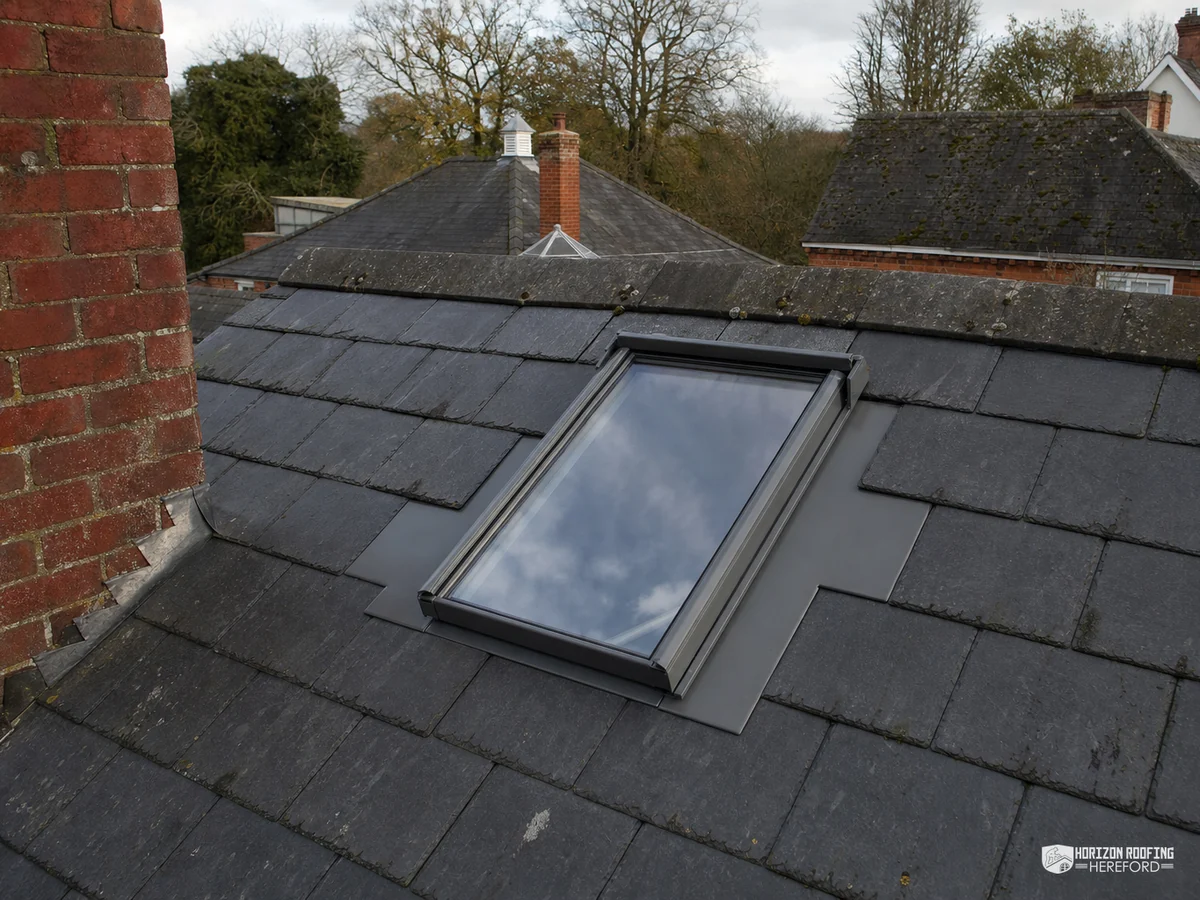
Across the roof, the slopes make up the bulk of the roof, and in Eastnor they are where two designations meet. Herefordshire Council's list dates the Eastnor conservation area to 1991, and the parish lies inside the Malvern Hills National Landscape, which was an Area of Outstanding Natural Beauty before its working name changed in November 2023. Both weigh in English planning, though neither one decides an application. Their effect lands chiefly on an Eastnor dormer, which goes to Herefordshire Council first, while a flush window or a fresh covering are other questions. Our planning guide for roof windows sets out which rules apply to which.

The National Landscape does not make the planning decisions. The Malvern Hills National Landscape says on its own planning page that those decisions are the responsibility of "the individual Local Planning Authorities", and for Eastnor that means Herefordshire Council. Ask the council to confirm how both designations apply to your house, and ask whether an Article 4 direction covers your address. A short letter with two photographs is the way to put the first question.

When a slope is re-covered, the weight matters. AD A, the structural approved document, says in paragraph 4.4 that "A significant change in roof loading is when the loading upon the roof is increased by more than 15%", and that brings a structural check and Building Regulations approval. Appearance matters as well. SPAB observes that stone slates in the region run from grey to brown, with some purple types in Herefordshire, and that many roofs have since been re-covered in other stone, in slate or in imitation stone slates. Matching colour and unit size is part of the job, and it can be the part that takes longest to arrange, so we raise it at the survey, not after the quote.

For a repair, the survey separates what is sound from what is not. A slipped course or a few broken units is a repair, while a covering that has gone across the entire slope needs re-covering. The written price records which of the two the survey found, so that the quote matches the roof and not a standard package. Our roof repairs page covers the smaller jobs.

Landscape and repairs

Does a National Landscape stop a roof being repaired?

No. The designation affects some new work, a dormer for one, but leaves ordinary repair and re-covering to proceed as usual. Herefordshire Council decides any application, so ask it about your own house before you plan alterations.

Fig. 3 The slopes, drawn close

Callout 3 of 3

Frames, thatch and the listed buildings of Eastnor

The last callout is the timber-framed wall under the eaves. For monuments 5 to 18 in Eastnor parish, the Royal Commission's 1932 inventory records walls that are "timber-framed" and roofs that are "tiled or thatched". That is a record of those buildings at that date, and the roof on your own house today has to be read for itself. Inside, the timber at the plate and the rafter ends shows whether damp has got that far. Thatch is specialist work and falls outside what we cover, so a thatched roof itself is for a thatcher. The tiled and leaded parts of the same building, the chimney and the gutters are for us, and we survey them as we would on any frame.

Eastnor has several listed buildings, each with a Historic England list entry. Eastnor Castle is Grade I (list entry 1156712, first listed 18 November 1952), and the Church of St John the Baptist shares the grade (list entry 1266756, first listed 18 November 1952). Eastnor Stores and the adjoining cottage at No 2 The Triangle are Grade II (list entry 1156683), as is The Post Office (list entry 1082626). Section 7 of the Planning (Listed Buildings and Conservation Areas) Act 1990 applies to a listed building of any grade, so works that affect its special interest need listed building consent from Herefordshire Council, alongside the permitted development rights the house keeps.

St John the Baptist's, an Anglican church, holds Holy Communion on the 2nd and 4th Sundays of the month; for as long as services continue there, a faculty governs its roof works in place of the council's consent. Our listed and heritage roofing page explains how we prepare for a protected roof, from the photographs to the method statement.

For an Eastnor address, building control is Herefordshire Council Building Control, on 01432 261938 or bce@herefordshire.gov.uk. A registered building control approver can sign off the same work.

A thatched roof goes to a thatcher, and the tiles, lead and gutters beside it are ours.

Where a frame meets the covering

SoundTimber face dry, covering firm against the frame
Needs workGap at the frame, loose verge, stain on the timber

Eastnor roofs: lead, landscape and listings

What does a failing lead flashing look like on an Eastnor house?

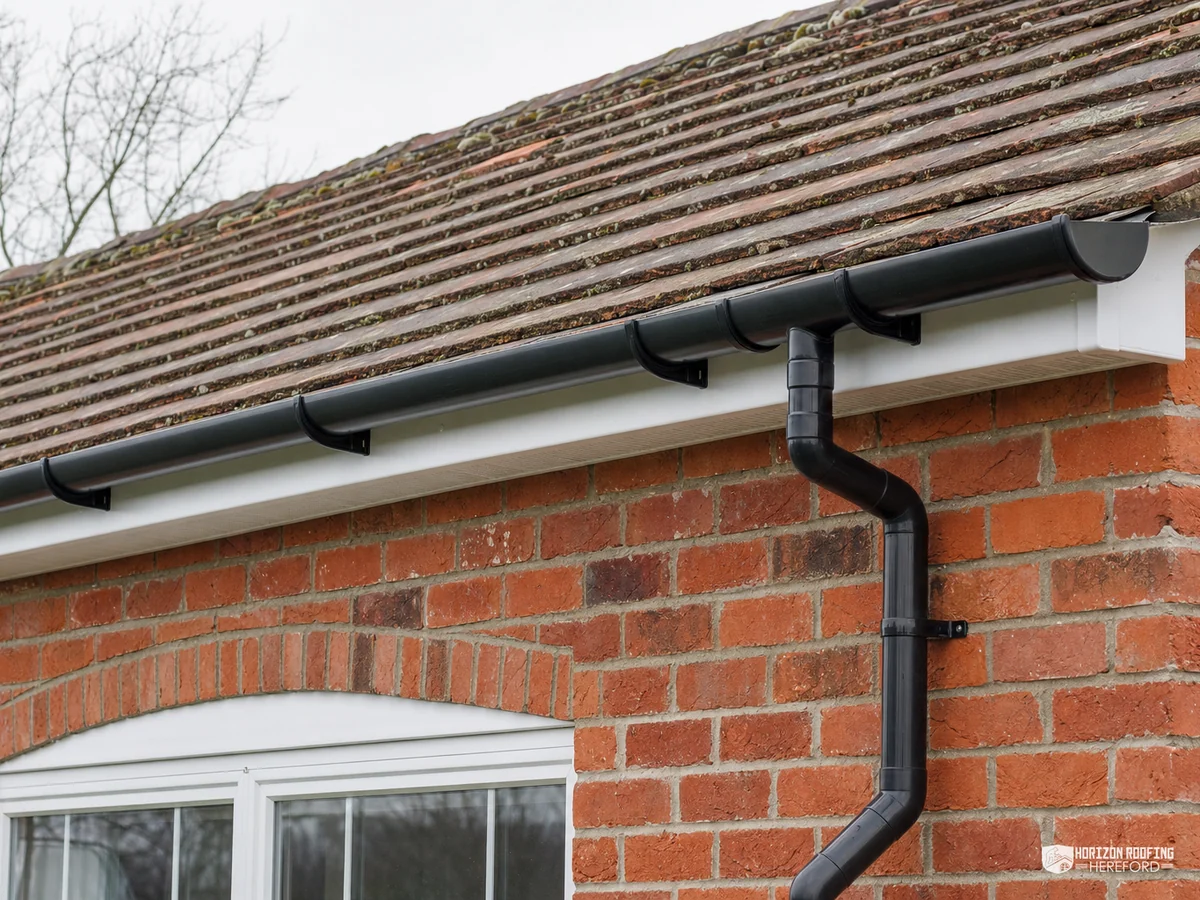
From outside, a strip that has lifted from the wall, a split along a fold, or a gap where it should lie tight to the covering. From inside, a stain on the plaster below a chimney or beside a wall. Both signs are photographed, and the cause is traced before a price is set; a stain below a stack can come from the flashing, the flaunching or the pointing. A failed section is replaced, because sealant over the split only delays the next leak.

Does the Malvern Hills National Landscape change how an Eastnor roof is repaired?

Repairs go ahead as they would elsewhere; the designation matters for new work such as a dormer, which the council should see before it is drawn up. The National Landscape team is not the planning authority, because Herefordshire Council decides. Ask the council about your own house, and read our planning guide for roof windows before you draw up changes.

Eastnor's conservation area dates from 1991: what does that mean for a re-roof?

Herefordshire Council's list gives the Eastnor conservation area a 1991 designation. Ask the council about any dormer at Eastnor, while re-covering in the existing material goes ahead in the ordinary way. Appearance matters to the council, so keep photographs of the present covering and ask whether an Article 4 direction applies to your address before you order materials. Our survey photographs give you a dated record to attach to any letter.

Is the Church of St John the Baptist at Eastnor covered by listed building consent?

Not while it remains a working Anglican church. St John the Baptist's is Grade I, yet the faculty jurisdiction covers its roof works in place of the council's consent. A house or a shop, such as Eastnor Stores, follows a different path: if listed, it takes listed building consent from Herefordshire Council, so check the entry for yours and quote its number when you write to the council.

Is there a fee for putting scaffold up at an Eastnor house?

Under section 169 of the Highways Act 1980, scaffold left on the highway has to be licensed. Herefordshire Council's published fee is £167 for a maximum of one month, rising by £123 for every month after the first, and its guidance asks for the application 10 days or more ahead. We arrange the licence with our scaffolder, and the written total includes the scaffold. Any trunk road or motorway near Eastnor falls to National Highways instead.

Who repairs a thatched roof at an Eastnor house?

Thatched roofs are specialist work, so for repairs to the thatch you need a thatcher. The Royal Commission's 1932 inventory recorded tiled or thatched roofs on the older monuments in the parish, so a house may carry both. We survey the tiled and leaded parts, the chimney and the gutters, and we photograph what we find so that each trade has the same record to work from. Any junction between thatch and tile or stack is photographed too.

Request an Eastnor roof survey

Write a few lines about the roof or send a photograph; one total price in writing follows the survey.

10-year workmanship guarantee, in writing